
 Roy Suryo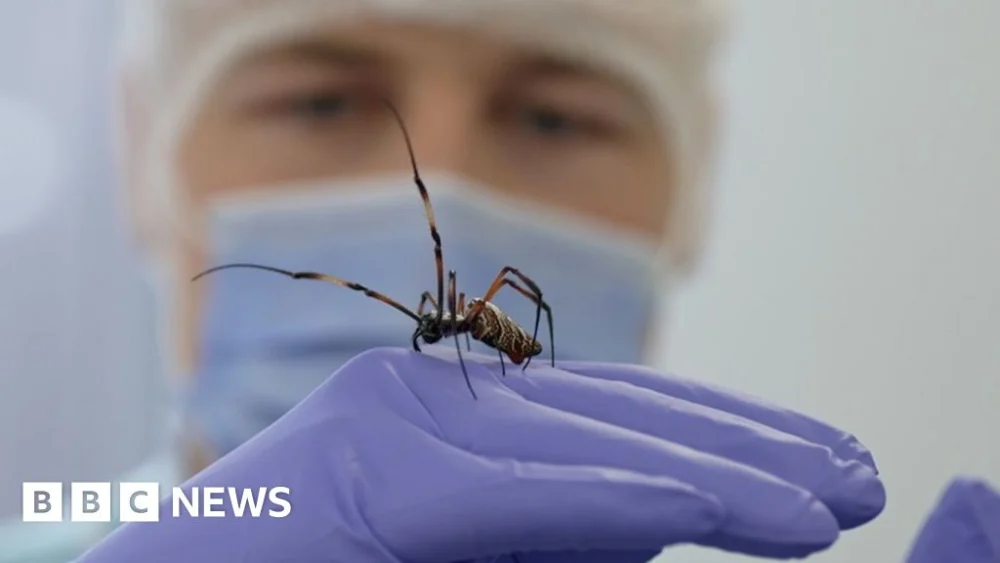
In a groundbreaking intersection of nature’s ingenuity and medical innovation, scientists are harnessing the remarkable properties of spider silk to develop revolutionary surgical devices aimed at regenerating damaged nerves. Dr. Alex Woods, a trauma and orthopaedic surgeon with the NHS in Oxford, is at the forefront of this endeavor, leading his start-up company, Newrotex, in a mission to "bring this really cool ancient technology to patients." His work centers around the potent potential of silk produced by the golden orb-web spider, a species native to southern and east Africa, with the spiders used in the research hailing from Madagascar.
"It acts like a scaffold for nerves to grow along like a rose on a trellis," Dr. Woods explained, his hands carefully holding delicate threads of silk, reminiscent of the material wielded by a superhero. This analogy perfectly encapsulates the proposed function of the silk: to provide a supportive structure for regenerating nerve tissue, mimicking the body’s own intricate biological processes. The vision is to offer a tangible and effective solution for individuals suffering from nerve damage, a condition that can have devastating and life-altering consequences.
The research takes place within the Wood Centre for Innovation, a hub for pioneering scientific advancement. Dr. Woods’ background, a blend of zoology and surgical expertise, provides a unique perspective on this interdisciplinary project. The environment at Newrotex is carefully curated to support the golden orb-web spiders, with approximately 30 hand-sized individuals housed in individual terrariums. "They’re quite territorial so we keep them in their own terrariums and we keep the room very humid to mimic their natural environment," Professor Woods elaborated. These spiders, known for their impressive webs often exceeding a meter in diameter, are considered harmless to humans.
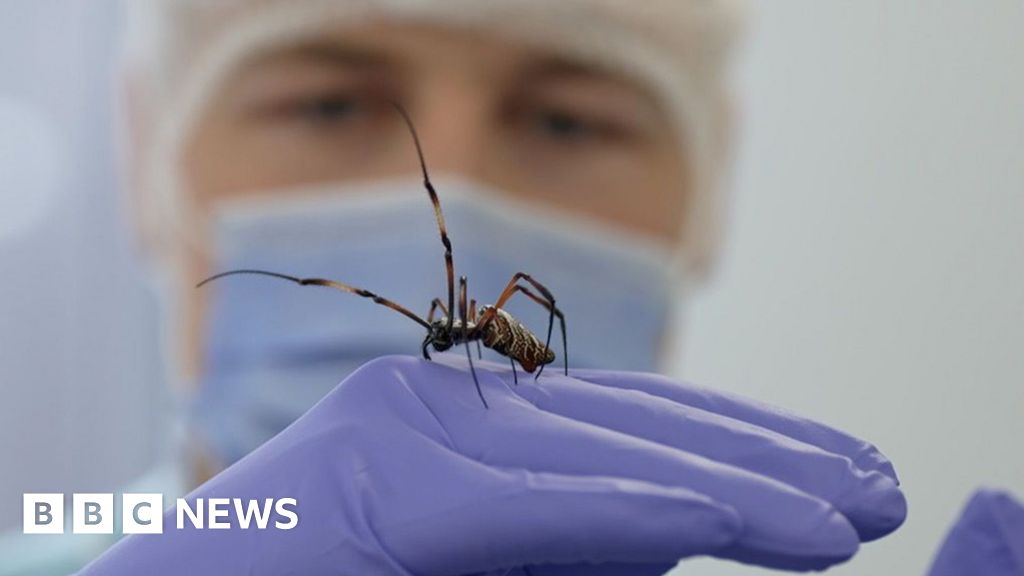
The true marvel lies in the extraordinary strength and unique structure of their silk, particularly the "drag-line silk" they use for anchoring and movement. When a nerve is severed, the body initiates a natural regeneration process, producing a temporary scaffold that typically lasts only about 10 days. "So if that gap is more than 1cm with nerves regenerating at about 1mm a day it can’t bridge big gaps and breaks down," Woods stated, highlighting a critical limitation in natural nerve repair. This is where the golden orb-web spider’s silk intervenes.
Dr. Woods explained that the drag-line silk produced by these spiders possesses properties remarkably similar to the body’s own regenerative scaffold. However, its durability is vastly superior, lasting for an impressive 150 days. "Except it lasts for 150 days," he emphasized. "So now we can allow the nerves to get across the gap." This extended lifespan of the silk scaffold provides crucial time for the nerve cells to migrate and reconnect, significantly improving the chances of successful regeneration over larger gaps.
The surgical application of this silk involves implanting the fibers into a vein or a hollow conduit designed to bridge the damaged nerve segment. As the nerve heals and regenerates, the silk fibers are designed to gradually degrade within the body, leaving behind a repaired and functional nerve. This elegant biomaterial approach offers a less invasive and potentially more effective alternative to current nerve grafting procedures.
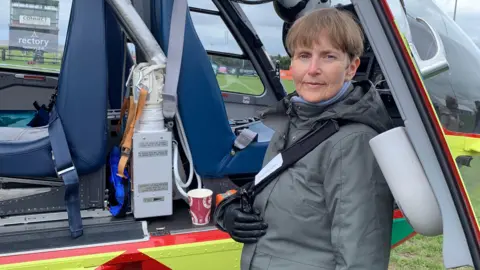
The potential impact of this innovation is profound, particularly for individuals like Helen Hide-Wright. In 2022, Helen experienced a life-threatening cardiac arrest while driving, resulting in a severe accident that caused extensive injuries, including the severing of nerves in her right arm. Her treatment involved a nerve graft taken from her leg, a procedure that, while successful in restoring some function, left her with a permanent loss of sensation in that area.
Helen Hide-Wright expressed her optimism about the silk-based device, viewing it as "an exciting opportunity." She reflected on her own surgical experience, stating, "The surgery was brilliant, but what Alex is offering would appear to be far more beneficial, a very exciting opportunity." Her sentiment underscores the hope that this novel approach could offer improved outcomes and a higher quality of life for patients with nerve damage. The current method of taking grafts from other parts of the body, while effective, can lead to secondary complications and discomfort, which the silk-based device aims to circumvent.
Dr. Woods is keenly aware of the challenges that lie ahead in bringing this groundbreaking technology from the laboratory to the clinic. "I’m convinced that if my nerve was lacerated tomorrow I would have our implant put in," he stated with conviction. However, he also acknowledged the rigorous process involved: "Seeing all the steps you need to get through and the cost and the evidence you need to produce to bring that to patients has been really eye-opening, but there’s still a risk it’ll never see the light of day." The path to regulatory approval and widespread adoption is complex, requiring extensive clinical trials and robust data to demonstrate safety and efficacy.
Beyond treating traumatic injuries, Dr. Woods envisions the silk-based devices playing a crucial role in addressing nerve damage that can occur as a consequence of other medical procedures. He highlighted the nerve injuries that can arise from surgeries like mastectomies or prostate cancer treatments. "These are huge problems, which are nerve injuries which, right now, struggle to be treated," he explained. "So there’s a really exciting opportunity to take this simple device and open it up to people in all those different specialties." The versatility of the silk scaffold suggests its potential application across a wide range of surgical disciplines where nerve preservation or regeneration is critical.
Furthermore, Dr. Woods believes that the widespread adoption of these silk-based devices could lead to significant cost savings for the National Health Service (NHS). Current nerve grafting procedures, like the one Helen Hide-Wright underwent, necessitate a secondary operation to harvest tissue from another part of the body. "It’s an extra operation site that has associated harm and that has a cost you won’t need if you have a device you can take and repair the nerve straight away," he argued. By eliminating the need for a secondary donor site, the silk-based approach streamlines the treatment process, reduces patient morbidity, and lowers overall healthcare expenditure.
The promising technology developed by Newrotex is currently undergoing its crucial first-in-human study in a hospital in Panama. This initial trial is designed to meticulously assess the safety of the silk-based device before progressing to further, more extensive studies planned for the UK and the United States. The image depicting Dr. Alex Woods and his surgical team during this trial in Panama, standing with the innovative SilkAxons device, symbolizes a significant milestone in the journey of this natural marvel from the realm of arachnids to the forefront of medical healing. The device, meticulously crafted from the drag-line silk fibers, represents a tangible leap forward in the quest to restore nerve function and improve the lives of countless individuals affected by nerve damage.




 Nakalama John
 atisusanti
 Ramos Leo
