Nana Banana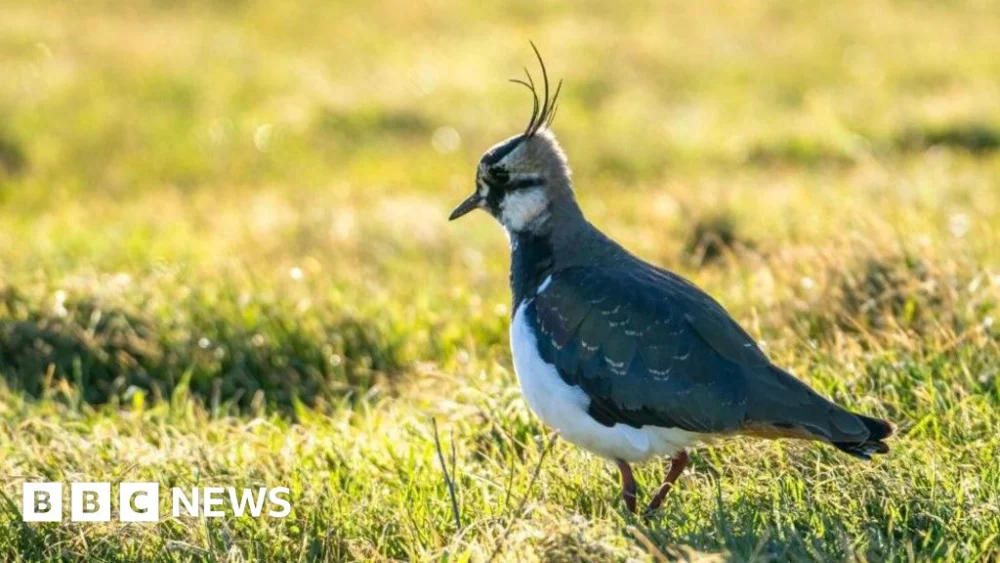
These historic vessels, having lain dormant and moored in Essex for over three decades, now embark on a profound second life. Each barge, measuring between 20 and 32 metres long (approximately 66 to 105 feet), underwent a rigorous cleaning and preparation process to ensure environmental safety and structural integrity before being towed into their precise locations. Once in position, carefully cut holes allowed for their controlled sinking, after which they were meticulously filled with sediment, predominantly mud, to anchor them firmly to the estuary bed. This careful placement and filling have created a new, stable landmass, providing an elevated haven for wildlife.
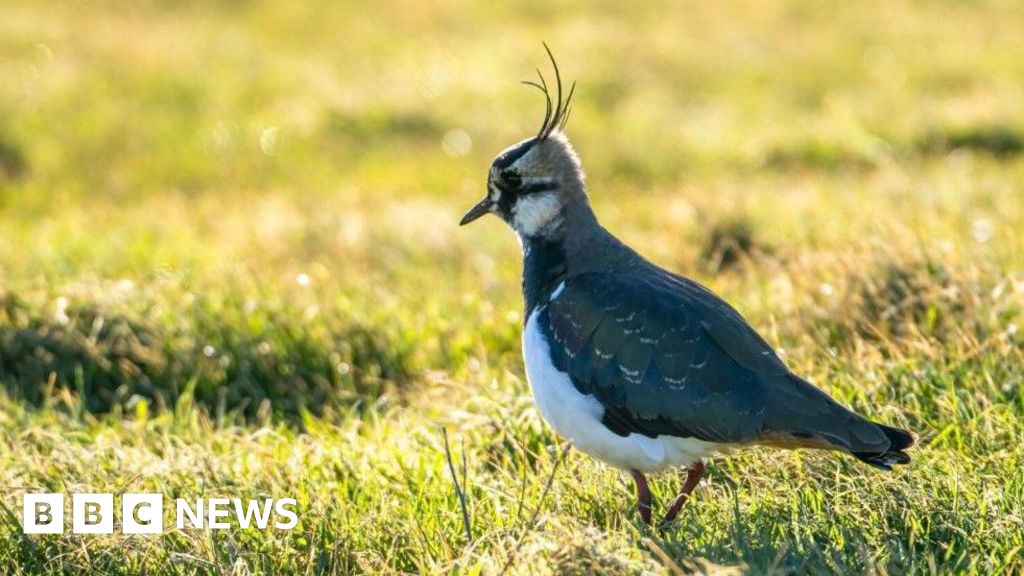
The primary beneficiaries of this innovative engineering feat are various bird species, particularly those facing significant declines. Endangered dunlin, curlew, ringed plover, and lapwing are among the key species expected to thrive on this newly formed island. This elevated habitat offers a safe refuge from the perils of rising tides and disturbances from onshore activities and predators, providing essential nesting grounds and high-tide roosting sites. The project underscores a critical need for such undisturbed sanctuaries as coastal environments become increasingly impacted by human presence and climate change.
Beyond direct habitat creation, the National Trust highlights this venture as one of several "innovative, nature-based solutions" designed to safeguard Northey Island against the escalating threats of rising sea levels and the rapid loss of its precious saltmarsh. Northey Island, a cherished National Trust property, is celebrated for its rich biodiversity and historical significance, making its protection a high priority. The strategically placed barges act as a natural breakwater, dissipating the energy of incoming waves and helping to stabilize the surrounding sediments. This crucial function will not only mitigate the erosion of existing saltmarsh but also encourage the natural accretion of new sediment, fostering the long-term resilience and expansion of this vital coastal ecosystem.
Saltmarsh habitats are incredibly valuable, serving as natural flood defenses, carbon sinks, and nurseries for marine life, yet they are increasingly vulnerable to the impacts of climate change. The erosion rates in some parts of the UK are alarming, making projects like this imperative for coastal adaptation and conservation. By using these sunken vessels, the National Trust is demonstrating a creative approach to environmental engineering, harnessing the power of nature to protect against its own forces.
Katy Gilchrist, the National Trust’s coastal project manager, articulated the profound significance of this undertaking, stating, "This is the ultimate act of marine recycling – transforming retired industrial vessels into a sanctuary for wildlife. We’re basically turning history into habitat, and as far as we know, no-one has attempted anything quite like this before." Her words encapsulate the pioneering spirit of the project, which not only repurposes industrial heritage but also sets a precedent for future nature-based solutions. The cleaning of the barges to remove any potential pollutants and ensuring their seaworthiness for towing were critical initial steps, showcasing the meticulous planning involved in this "bold marine engineering feat."
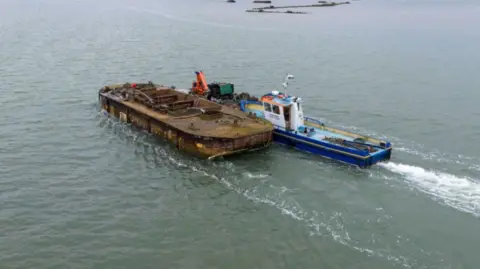
The barges were carefully maneuvered and set onto a pre-prepared platform of sediment on the inter-tidal mudflats of the estuary. The subsequent filling with mud, a heavy and naturally abundant material, ensured their stability and permanence. The final stage will involve covering the island with a layer of gravel. As Gilchrist explained, "Once the island is fully established with gravel on top, it will sit safely above the highest tides to offer a safe refuge for some of our bird species which are in decline." This gravel layer is essential, providing the ideal substrate for ground-nesting waders, ensuring good drainage, and preventing the erosion of the underlying sediment by tidal action.
Upon completion, the new island will encompass approximately 0.55 hectares (1.4 acres) of new habitat within the Blackwater Estuary – an area roughly equivalent to the size of a football pitch. While this might seem modest in isolation, its strategic placement and ecological function within the broader estuarine landscape make it an invaluable addition. It provides a critical "stepping stone" habitat, offering safe high-tide roosts and nesting opportunities for birds that often struggle to find such undisturbed areas elsewhere along increasingly developed coastlines.
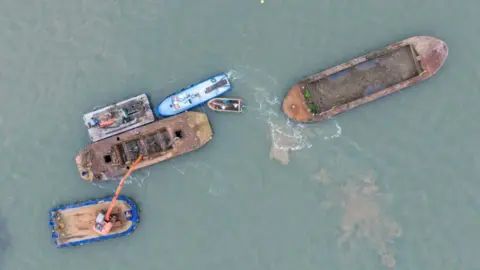
Matt Wilson, the countryside manager for the National Trust, further emphasized the profound impact of this new creation. "The new island, located just off the eastern shore of Northey, will provide a refuge for birds above the highest tides and away from disturbance on shore, acting as a lifeline for birds that are running out of safe spaces to nest and rest," he stated. His comments highlight the pressing need for such interventions to support declining bird populations and underscore the "lifeline" this island will offer in a landscape increasingly fragmented by human activity and environmental pressures. He added, "As well as creating a new habitat for birds, the island will also help to reduce erosion of the existing saltmarsh at Northey Island," reiterating the project’s dual benefits for both biodiversity and coastal resilience.
This ambitious and complex project is a testament to collaborative conservation, bringing together a consortium of expert organizations. The National Trust is working in close partnership with the Environment Agency, which provides crucial regulatory oversight and strategic input on coastal defense; Natural England, offering vital ecological advice and ensuring compliance with conservation designations like Sites of Special Scientific Interest (SSSI) and Special Protection Areas (SPA); and the Maldon Harbour Improvement Commissioners, who manage local marine navigation and operations. Specialist engineering and environmental consultants Royal Haskoning DHV contributed their expertise to the design and environmental assessment, while specialist marine contractors Landbreach Ltd were responsible for the intricate on-site execution of the project. This multi-agency, multi-disciplinary approach underscores the complexity and innovative nature of repurposing industrial infrastructure for ecological regeneration, ensuring the new Essex island will stand as a resilient and vibrant sanctuary for future generations of birds and a bulwark against the encroaching tides.



 George Anjay
 Ramos Leo
 Roy Suryo