
 George Anjay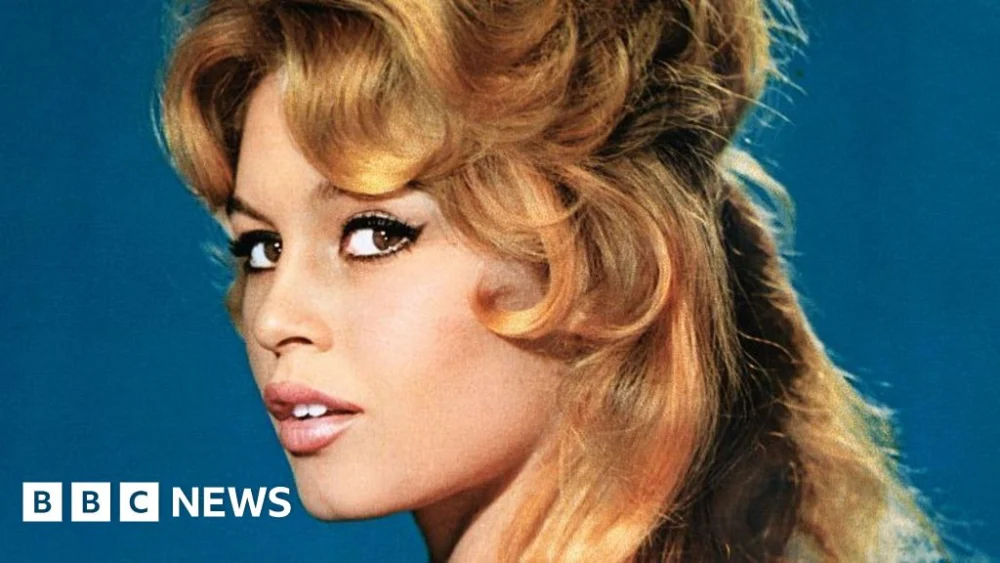
Noor Nanji, Culture correspondent
Brigitte Bardot: From French cinema to international fame
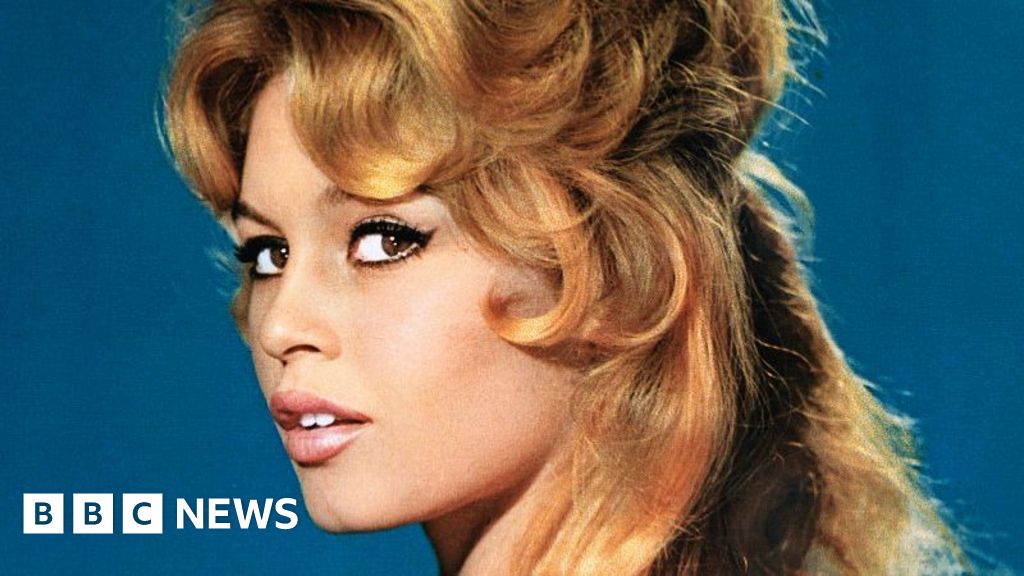
French screen siren Brigitte Bardot, a transformative force in 1950s French cinema and an enduring symbol of sexual liberation, has passed away at the age of 91. Known affectionately as "BB" in her native France, Bardot graced the silver screen in nearly 50 films, most notably the groundbreaking "And God Created Woman," before making the surprising decision to retire from acting at the young age of 39 in 1973. Her departure from the cinematic world marked a profound shift, dedicating her subsequent decades entirely to the passionate advocacy of animal welfare.
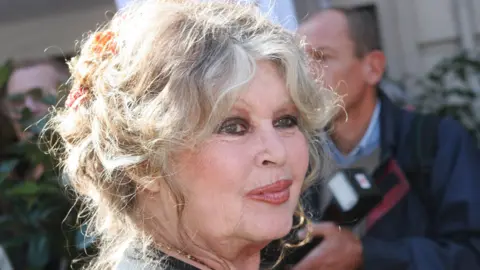
The news of her death was met with widespread mourning. French President Emmanuel Macron paid a poignant tribute, stating that the nation was grieving "a legend of the century." He eloquently captured her multifaceted legacy, saying, "Her films, her voice, her dazzling glory, her initials, her sorrows, her generous passion for animals, her face that became Marianne, Brigitte Bardot embodied a life of freedom. French existence, universal brilliance. She touched us. We mourn a legend of the century."
The Brigitte Bardot Foundation, the animal welfare organization she founded, released a statement announcing her passing with "immense sadness." The foundation lauded her as a "world-renowned actress and singer, who chose to abandon her prestigious career to dedicate her life and energy to animal welfare and her foundation." Details regarding the location and circumstances of her death were not immediately disclosed.
Brigitte Bardot’s influence extended beyond the realm of cinema, shaping cultural discourse and fashion for decades. French far-right politician Marine Le Pen also offered her condolences, remarking that France had lost "an exceptional woman, through her talent, her courage, her frankness, her beauty." Bardot’s personal life was marked by four marriages, including to Bernard d’Ormale, a former advisor to the late far-right politician Jean-Marie Le Pen, father of Marine Le Pen.
Brigitte Anne-Marie Bardot was born in Paris in 1934 into a prosperous family. Initially, her parents envisioned a career for her as a ballerina. However, her striking beauty was discovered in her teenage years when she graced the cover of Elle magazine. This pivotal moment propelled her into the public eye, and she was soon persuaded to embark on a career in cinema.
Her early roles quickly established her as a burgeoning star. The 1956 film "And God Created Woman," directed by her then-husband Roger Vadim, proved to be a watershed moment. In this film, Bardot portrayed a sexually liberated character, a role that scandalized American audiences and led to bans in several U.S. states. However, it also garnered critical acclaim and cemented her status as a symbol of freedom and rebellion. The renowned French existentialist philosopher Simone de Beauvoir hailed Bardot as an icon of "absolute freedom," recognizing the profound cultural impact of her portrayal.
Throughout the late 1950s and 1960s, Bardot ascended to global superstardom. She captivated audiences with her performances in a diverse range of films. "The Truth" showcased her dramatic depth, earning her critical acclaim. She starred in Jean-Luc Godard’s masterpiece "Contempt," a film now considered a seminal work of the French New Wave. Her comedic talents shone brightly in "Viva Maria!," where she shared the screen with the equally iconic Jeanne Moreau.
Beyond these celebrated roles, Bardot demonstrated remarkable versatility. In "Love on a Pillow," she delved into the complexities of a tormented character, showcasing her ability to convey deep emotional nuance. Her performance in the romantic drama "Two Weeks in September" highlighted her capacity for vulnerability, further endearing her to audiences. Even in less widely recognized films like "The Bear and the Doll" and "The Love Cage," she infused her characters with a playful charm and undeniable screen presence, proving her adeptness across various genres. These films, while perhaps not as frequently discussed, underscored her enduring ability to hold viewers spellbound.
Brigitte Bardot was not only a cinematic icon but also a towering figure in fashion. Her signature tousled blonde hair and distinctive winged eyeliner became global beauty trends. In 1953, her choice of an off-the-shoulder dress at the Cannes Film Festival led to a style that would subsequently be known as the "Bardot neckline," a testament to her profound influence on popular culture.

Her personal life was as eventful as her professional one. She was married four times and had one son, Nicolas, with French actor and film producer Jacques Charrier. Sadly, Nicolas passed away in September. Their relationship was reportedly strained, with Nicolas later suing his mother for emotional damages after she made a candid remark in her autobiography, suggesting she would have preferred to "give birth to a little dog."
Despite her overwhelming success and the cult of personality that surrounded her, Bardot expressed frustration with being typecast as a mere sex symbol, yearning for recognition as a serious actress. This ambition, coupled with her growing disillusionment with the superficiality of fame, led to her momentous decision to retire from acting at the peak of her career. Her declaration, "I gave my youth and beauty to men, I give my wisdom and experience to animals," perfectly encapsulated her profound redirection.
In 1986, she established the Brigitte Bardot Foundation, an organization dedicated to the protection of both wild and domestic animals. Her commitment to animal welfare was unwavering. She became a committed vegetarian and, in 2013, famously threatened to seek Russian citizenship in protest against a French zoo’s decision to euthanize two sick elephants. France’s oldest animal protection association, the Société Protectrice des Animaux, recognized her as an "iconic and passionate figure for the animal cause."
However, Bardot’s later years were also marked by controversy. Her outspokenness on social and political issues led to a string of remarks that significantly impacted her public image. From the late 1990s onwards, she faced multiple fines for inciting racial hatred due to comments she made in interviews and online, particularly targeting Muslims. In 2008, she was fined €15,000 (£12,000) for expressing her belief that Muslims were "destroying our country by imposing their ways" on her website.

Her 2003 book, "A Cry in the Silence," further ignited public debate. In it, she controversially argued that gay people, modern art, politicians, and immigrants were responsible for the degradation of French culture. More recently, in 2018, Bardot dismissed actresses participating in the #MeToo movement as "hypocritical, ridiculous, uninteresting," suggesting that many actresses strategically flirted with producers to secure roles. These statements, while reflecting her deeply held beliefs, alienated many and overshadowed the earlier, celebrated chapters of her life.
Brigitte Bardot leaves behind a complex and indelible legacy: a cinematic trailblazer who redefined female sexuality on screen, a fierce advocate for animal rights, and a figure whose later pronouncements challenged conventional wisdom and generated significant controversy. Her life, from the dazzling heights of international stardom to her unwavering dedication to the animal kingdom, remains a subject of fascination and debate.



 Nakalama John
 atisusanti
 Ramos Leo
 Roy Suryo
 Nana Banana