Roy Suryo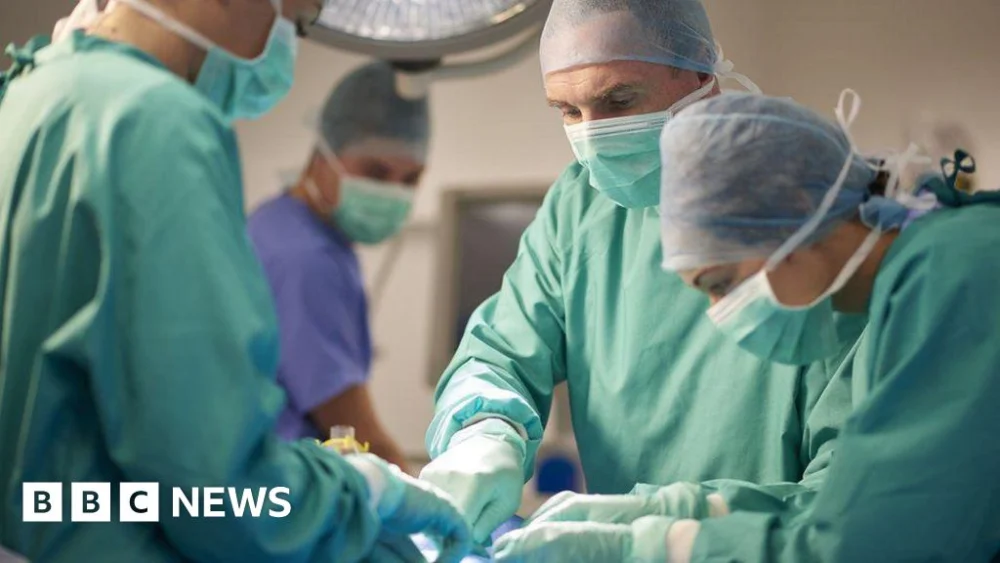
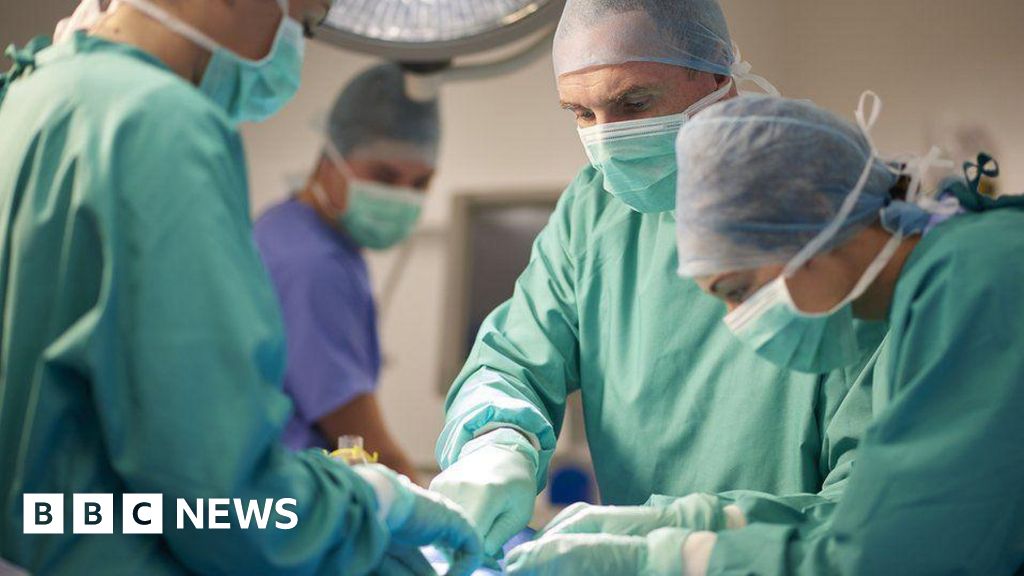
The hospital waiting list in England has dropped to its lowest level in nearly three years, a significant milestone in the ongoing efforts to tackle the pandemic-induced backlog. At the end of December 2025, the total number of patients awaiting elective treatments stood at 7.29 million, marking the lowest figure recorded since February 2023. This reduction offers a glimmer of hope for millions of patients who have endured extended waits for procedures ranging from routine knee and hip replacements to more complex surgeries.
However, this positive development in elective care is starkly contrasted by persistent and concerning long waits within Accident & Emergency (A&E) departments. NHS England’s latest monthly update, released in early 2026, revealed a record number of patients experiencing 12-hour trolley waits. In January 2026 alone, over 71,500 patients spent more than 12 hours in A&E after being assessed by medical staff and awaiting a bed on a ward. This figure represents the highest since this specific metric began to be tracked in 2010, indicating that nearly one in five patients admitted via A&E faced such prolonged delays.
The implications of these extended A&E waits are serious. Dr. Vicky Price, representing the Society for Acute Medicine, voiced grave concerns, stating that hospitals are operating "beyond safe levels" when it comes to emergency care. She highlighted that many of these patients are elderly and frail with complex health needs, making them particularly vulnerable. The delivery of care in corridors and overcrowded hospital environments significantly increases their risk of harm. This situation underscores the immense pressure on acute services, even as progress is made in other areas.
In response to the data, Health Secretary Wes Streeting acknowledged the "good progress" made in reducing the overall waiting list but cautioned that "there is much more to do." He stressed the need to "pick up the pace" but expressed optimism, asserting that "the NHS is on the road to recovery." His comments reflect a delicate balance between celebrating achievements and addressing the persistent challenges that continue to plague the healthcare system.
Duncan Burton, Chief Nursing Officer for England, praised the dedication of NHS staff, attributing the reduction in waiting lists to their "hard work." He noted that this progress had been achieved during a period of significant disruption, including industrial action by resident doctors, a recent rebranding of junior doctors. Burton described the progress as a "triumph" for the resilience and commitment of healthcare professionals.
Despite the overall decrease in the waiting list, performance against the 18-week referral-to-treatment target, a key indicator of timely care, has seen a slight decline. In the most recent reporting period, 61.5% of patients were waiting less than 18 weeks for treatment, a marginal decrease from 61.8% in November. The government has set an ambitious target to return to the mandated 92% performance by 2029, a goal that appears increasingly challenging given the current trends. This suggests that while the sheer volume of patients waiting has reduced, the average waiting times for those still on the list may be lengthening, or the rate at which new patients are being seen within the target timeframe is slowing.
Rory Deighton, from the NHS Confederation, which represents hospital trusts across the country, welcomed the reduction in waiting lists but cautioned that the national figures mask "a wide degree of regional variation." He emphasized that the NHS is not a monolithic entity but comprises hundreds of individual organizations, each grappling with its own unique financial and operational challenges. This inherent diversity means that efforts to tackle care backlogs will inevitably face greater difficulties in some parts of the country compared to others. The disparity in resources, staffing levels, and local demand can create vastly different experiences for patients depending on their geographical location.
The intricate interplay of factors contributing to the current state of the NHS demands a nuanced understanding. The lingering effects of the COVID-19 pandemic, including the significant disruption to non-urgent care, the ongoing demand for services, an aging population with increasingly complex health needs, and workforce pressures, all play a crucial role. While the reduction in the overall waiting list is a welcome development, it is imperative to address the systemic issues that contribute to prolonged A&E waits and the disparities in care experienced across different regions. The commitment to improving the NHS requires sustained investment, strategic planning, and a focus on both immediate pressures and long-term systemic reforms. The road to recovery, as acknowledged by the Health Secretary, is ongoing, and the recent data presents a mixed picture of progress and persistent challenges. The success of future initiatives will hinge on a comprehensive approach that addresses all facets of the healthcare system, ensuring equitable access to timely and high-quality care for all patients. The continued dedication of NHS staff remains a critical asset, but it must be supported by robust policy and adequate resources to truly overcome the formidable obstacles ahead. The coming years will be crucial in determining whether the current positive trajectory in elective care can be sustained and extended to other critical areas of NHS provision.



 Nakalama John
 atisusanti
 Ramos Leo