
 Roy Suryo
The recent passing of actor James Van Der Beek at the age of 48 from bowel cancer serves as a stark reminder of the importance of understanding this disease, its symptoms, causes, and preventative measures. While the initial report focused on the actor’s death, a comprehensive look at bowel cancer is crucial for public health awareness. This article delves into the key aspects of bowel cancer, empowering individuals with the knowledge to recognize potential signs, understand risk factors, and explore ways to reduce their likelihood of developing it.
Recognizing the Signs: What are the Main Bowel Cancer Symptoms?
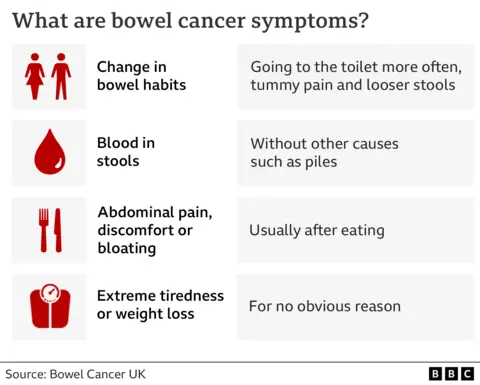
Bowel cancer symptoms can be subtle and often mimic those of less serious conditions, which is why persistent changes are so important to monitor. The three primary indicators to be aware of are:
- A persistent change in your bowel habits: This could manifest as more frequent bowel movements, looser stools, or a feeling of incomplete evacuation. It’s not just about the frequency, but also a noticeable and sustained deviation from your usual pattern.
- Blood in your stool: This can appear as bright red blood, which might suggest bleeding from piles, but can also be a sign of bowel cancer. Darker red or black blood in the stool can indicate bleeding higher up in the bowel or stomach and is also a cause for concern.
- Persistent abdominal pain, discomfort, or bloating: Unexplained and ongoing pain, or a persistent feeling of fullness and discomfort in the abdomen, warrants medical attention.
Beyond these core symptoms, other potential signs of bowel cancer include:

- Unexplained weight loss: A noticeable decrease in body weight without intentional dieting or lifestyle changes.
- Extreme tiredness (fatigue): Persistent and debilitating fatigue that isn’t relieved by rest.
- A lump or swelling in your abdomen: While less common, a palpable lump can indicate a more advanced stage of the disease.
It is crucial to emphasize that experiencing these symptoms does not automatically mean you have bowel cancer. Many other conditions can cause similar issues. However, the NHS strongly advises consulting your GP if you notice any of these changes persisting for three weeks or longer, or if you simply feel that something isn’t right with your body. Early detection significantly improves treatment outcomes.
In severe cases, bowel cancer can lead to a blockage in the digestive system. This critical situation can present with intense abdominal pain, severe constipation, and vomiting. If you experience these symptoms, it is imperative to seek immediate medical attention by contacting your GP or going to the nearest Accident and Emergency (A&E) department without delay.
Understanding Your Bowel Movements: How to Check Your Poo
Paying attention to the appearance of your stools can provide valuable insights into your digestive health. As mentioned, blood is a significant warning sign. It’s important to differentiate between bright red blood and darker, more ominous colours. Bright red blood may originate from haemorrhoids (piles), which are swollen blood vessels in the anal area, but it’s essential not to self-diagnose and to have it checked by a doctor. Dark red or black blood, often described as melaena, suggests bleeding higher up in the gastrointestinal tract, including the bowel or stomach, and requires prompt medical evaluation.
Beyond blood, changes in your bowel habits are equally important. A consistent shift towards looser stools, an increased frequency of bowel movements, or a persistent sensation that your bowels are not completely emptying are all valid reasons to seek medical advice. It’s worth remembering that doctors are accustomed to discussing a wide range of bowel-related issues, so there should be no embarrassment in seeking their expertise.

The story of Dame Deborah James, who was diagnosed with bowel cancer at the young age of 35 and became a powerful advocate for awareness, highlights that this disease can affect individuals of all ages. Her legacy continues to inspire people to be vigilant about their health and to speak openly about symptoms.
Unpacking the Causes: What Causes Bowel Cancer?
The exact cause of bowel cancer remains a subject of ongoing research, but a combination of genetic predisposition and lifestyle factors is understood to play a significant role. While it’s not possible to pinpoint a single cause, several factors can increase an individual’s risk:
- Age: The risk of developing bowel cancer increases significantly with age, particularly after 50.
- Diet: A diet low in fibre and high in red and processed meats has been linked to an increased risk. Conversely, a diet rich in fruits, vegetables, and whole grains is considered protective.
- Weight: Being overweight or obese is a known risk factor for several types of cancer, including bowel cancer.
- Physical activity: A sedentary lifestyle contributes to an increased risk, while regular physical activity can help reduce it.
- Smoking: Smoking is a significant risk factor for many cancers, and bowel cancer is no exception.
- Alcohol consumption: Heavy alcohol intake has been associated with a higher risk of bowel cancer.
- Family history: While most cases of bowel cancer are not hereditary, having a close relative (parent, sibling, or child) diagnosed with bowel cancer before the age of 50 can increase your risk. It is crucial to inform your GP if you have such a family history.
- Certain genetic conditions: Inherited conditions like Lynch syndrome dramatically increase an individual’s predisposition to developing bowel cancer. In such cases, medical professionals can work with patients to mitigate this heightened risk and ensure early detection and treatment.
Taking Control: How Can I Reduce My Risk of Bowel Cancer?
The good news is that a substantial portion of bowel cancers – over half – could be prevented through adopting a healthier lifestyle. Making conscious choices can significantly impact your risk:
- Eat a healthy, balanced diet: Prioritize a diet rich in fibre from fruits, vegetables, and whole grains. Limit your intake of red and processed meats.
- Maintain a healthy weight: Aim to achieve and maintain a healthy body mass index (BMI) through a balanced diet and regular exercise.
- Be physically active: Engage in at least 30 minutes of moderate-intensity exercise most days of the week.
- Limit alcohol consumption: If you drink alcohol, do so in moderation.
- Don’t smoke: Quitting smoking is one of the most impactful health decisions you can make.
- Go to your GP with any concerning symptoms: Do not delay seeking medical advice if you experience any persistent changes in your bowel habits or other potential symptoms.
- Participate in cancer screening: When invited for bowel cancer screening, it is highly recommended to take up the offer. Screening programmes are designed to detect the disease at an early, more treatable stage.
Understanding Screening: Who Can Be Tested for Bowel Cancer?
Bowel cancer screening programmes are in place to identify the disease in individuals who do not have symptoms but are at an age where their risk is elevated. These programmes are carefully designed to maximize benefit while minimizing potential harm and unnecessary treatments.
- England, Scotland, and Wales: Screening typically begins at age 50.
- Northern Ireland: Screening is offered to individuals over the age of 60.
The standard screening method involves a home testing kit. This kit allows you to collect a stool sample, which is then returned for analysis. If the initial test raises concerns, further investigations may be recommended, such as a colonoscopy or a flexible sigmoidoscopy. A colonoscopy involves using a camera attached to a long, flexible tube to examine the entire length of the bowel, while a flexible sigmoidoscopy examines a portion of it.
It’s important for younger individuals experiencing symptoms to consult their GP. However, self-testing kits are generally not advised for those under the screening age group, as the interpretation of results can be complex and may lead to unnecessary anxiety or misdiagnosis.
The Path to Recovery: How is Bowel Cancer Treated?

Bowel cancer treatments are increasingly becoming more personalized, thanks to advancements in genetic testing. This allows for tailored treatment plans that consider the unique characteristics of an individual’s cancer and how their body might respond. While this approach is still evolving, it holds the promise of extending life for many patients.
Regardless of the stage at which bowel cancer is diagnosed, patients will have a thorough discussion with their medical team about the available treatment options. These may include surgery to remove the cancerous tissue, or a combination of chemotherapy and radiotherapy, depending on the specific type and stage of the cancer.
The Question of Cure: Is Bowel Cancer Curable?
Bowel cancer is, in fact, curable, particularly when detected and treated at an early stage. The statistics are compelling: over 90% of individuals diagnosed with bowel cancer at its earliest stage survive for five years or more. This contrasts sharply with survival rates of around 44% when the cancer is diagnosed at its most advanced stage.
As with many cancers, younger age groups (15 to 40-year-olds) often exhibit higher survival rates, partly because cancer is generally more common and aggressive in older populations. However, it’s noteworthy that survival rates for bowel cancer in the UK generally lag behind those in other European countries, underscoring the continuous need for improved early detection and treatment strategies.




 Nakalama John
 atisusanti
 Ramos Leo
