Roy Suryo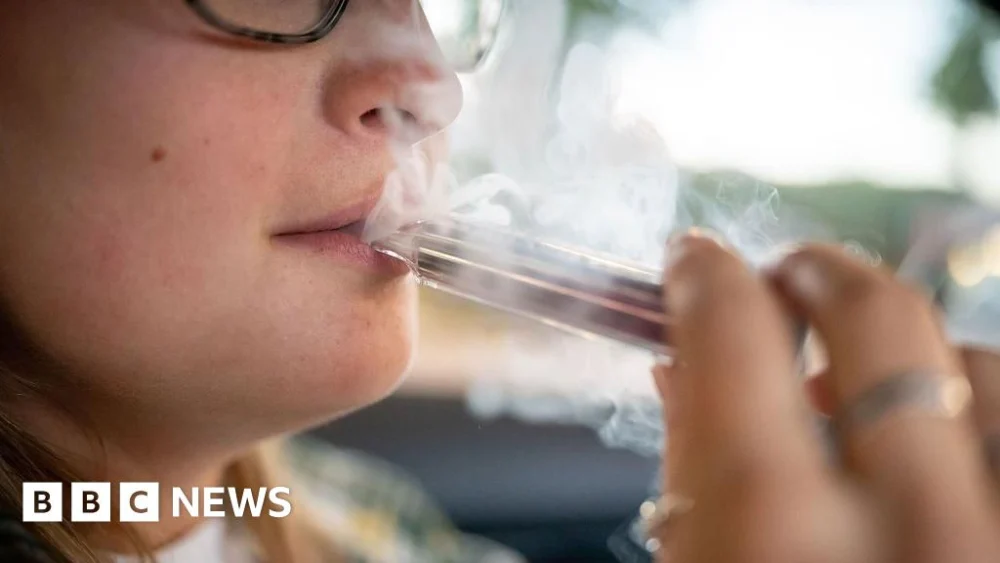
Government plans unveiled this week propose a significant expansion of smoking and vaping bans, aiming to create healthier environments for children and vulnerable individuals across England. The proposed legislation, currently undergoing a 12-week public consultation, seeks to prohibit smoking, vaping, and the use of heated tobacco products in a range of public spaces, with a particular focus on protecting youngsters from the harms of second-hand exposure. Key areas targeted for these new restrictions include cars carrying children, playgrounds, and the immediate vicinity outside schools.
These proposals extend beyond outdoor spaces, envisioning indoor areas – where smoking is already prohibited – becoming entirely smoke-free, vape-free, and free from heated tobacco products. Furthermore, the plans indicate a ban on these activities outside hospitals, acknowledging the need to protect patients and healthcare workers from avoidable harm.
Health Secretary Wes Streeting underscored the government’s commitment to public health, stating, "Children and patients should not have to suffer because others choose to smoke." He emphasized the well-documented risks associated with second-hand smoke, which include an increased likelihood of developing heart disease and lung cancer, and reiterated the government’s objective to shield both children and the sick from such dangers. "Prevention is better than cure," Streeting added, "so this government is taking pressure off the NHS and building a healthier Britain where everyone lives well for longer."
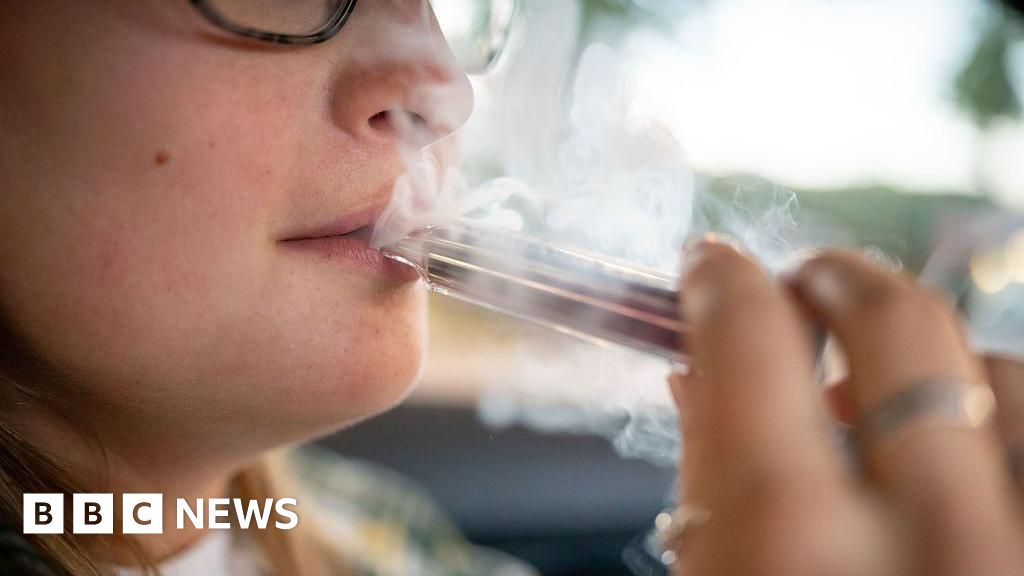
Echoing these concerns, England’s Chief Medical Officer, Prof Sir Chris Whitty, highlighted the "significant harmful effects" of second-hand smoking. His list of detrimental health outcomes includes asthma, poor birth outcomes, various types of cancer, heart disease, and stroke. Sir Chris commented, "These measures would reduce the harm second-hand smoke causes the most medically vulnerable in our society."
The proposed bans are an integral component of the government’s broader 10-year health strategy, which prioritizes a shift from treating illness to preventing it, thereby alleviating the strain on the National Health Service (NHS). A government statement articulated the ambition: "The government aims to prevent avoidable harm before it happens and support a healthier generation."
The public consultation, launched on Friday, is a crucial step in this process, inviting feedback on various aspects of the proposed regulations. Key questions being posed to the public include identifying specific settings where bans should be implemented, defining any potential exemptions, and determining the most effective methods for communicating these new restrictions to the public.
The government has indicated that the insights gathered from this consultation will be instrumental in shaping future regulations under the Tobacco and Vapes Bill. This bill, currently progressing through parliament, is designed to "create a smoke-free generation and protect young people from a lifetime of addiction."
It is important to note that the proposed bans do not encompass all outdoor settings. For instance, outdoor hospitality venues such as pub gardens, and wider open spaces like beaches and private outdoor areas, are not included in the current plans. Similarly, individuals will retain the right to smoke and vape within the privacy of their own homes.
Should the ban be enacted, its enforcement is expected to align with existing smoke-free legislation. The government has assured a minimum grace period of six months between the finalization of the regulations and their implementation, allowing individuals and businesses ample time to adapt.
The British Heart Foundation’s chief executive, Dr Charmaine Griffiths, has expressed strong support for the consultation, urging for the swift implementation of the legislation. "Tough measures must be taken to prevent smoking from robbing more families of their loved ones and harming vulnerable people," she stated, underscoring the critical need for decisive action.
The public consultation is scheduled to conclude on May 8, 2026, after a 12-week period of engagement. The outcomes will be pivotal in determining the final shape and scope of these comprehensive new public health measures aimed at curbing the detrimental effects of smoking and vaping on the nation’s health, particularly for its youngest and most vulnerable citizens. The government’s proactive approach signals a determined effort to foster a healthier future for England, moving beyond reactive healthcare to a more preventative and protective public health model. The potential ban on vaping in cars with children, in particular, addresses a growing concern regarding the exposure of young passengers to aerosolized substances, the long-term health implications of which are still being studied but are widely considered to be harmful. By extending existing smoke-free legislation to encompass vaping, the government seeks to create a consistent and protective environment, recognizing the shared risks associated with inhaling these substances. The inclusion of playgrounds and school exteriors further reinforces the commitment to safeguarding children’s health during their formative years, when they are most susceptible to environmental influences. The comprehensive nature of these proposals reflects a growing understanding of the multifaceted impact of tobacco and nicotine products on public health and a determined effort to mitigate these effects through legislative action and public awareness campaigns. The consultation process is designed to ensure that these measures are practical, effective, and widely understood, fostering a collaborative approach to achieving a healthier society. The government’s long-term vision, as articulated through these plans, is to create an environment where the risks of smoking and vaping are significantly reduced, thereby improving the overall health and well-being of the population for generations to come. The Tobacco and Vapes Bill, a cornerstone of this strategy, represents a significant legislative endeavor aimed at fundamentally altering the landscape of tobacco and nicotine use in the UK, with a particular emphasis on preventing future generations from falling victim to addiction. The detailed considerations within the consultation, such as enforcement mechanisms and public information strategies, highlight a thorough and considered approach to policy development. The six-month implementation period, once regulations are finalized, will be crucial for effective communication and adaptation, ensuring that the transition to these new rules is as smooth as possible for all affected parties. The support from organizations like the British Heart Foundation underscores the broad consensus on the need for robust measures to combat the harms of smoking and vaping. Their call for urgent implementation reflects the pressing nature of the public health challenge and the desire to see tangible progress in protecting vulnerable individuals and communities. The government’s commitment to a preventative health agenda, as exemplified by these proposals, signals a forward-thinking approach to public health, aiming to build a society that is not only healthier but also more resilient to the challenges posed by lifestyle-related diseases. The comprehensive nature of the plans, from banning vaping in cars with children to extending smoke-free zones, demonstrates a holistic strategy to create a healthier environment for all. The consultation period is a vital opportunity for the public to contribute to this significant policy development, ensuring that the resulting legislation is both effective and reflects the concerns and priorities of the community. The government’s ambition to create a smoke-free generation is a bold one, and these proposed measures represent a significant step towards achieving that crucial public health goal. The integration of vaping into these regulations acknowledges the evolving nature of nicotine consumption and the need for a comprehensive approach to public health protection. The ongoing progress of the Tobacco and Vapes Bill through parliament signifies the government’s intent to enact these changes, reinforcing their commitment to a healthier future for England.




 George Anjay
 Nakalama John
 Ramos Leo
 Nana Banana