Ramos Leo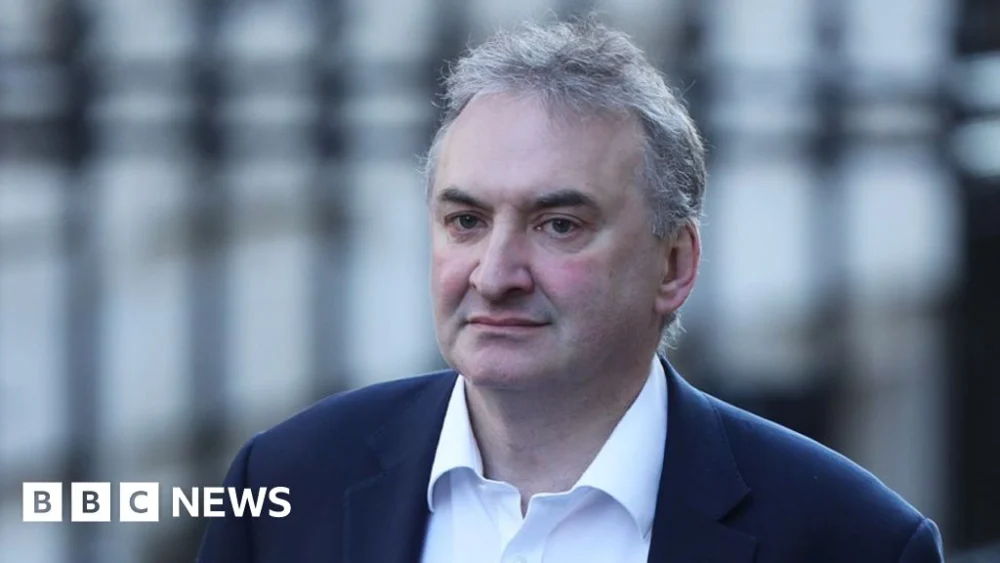
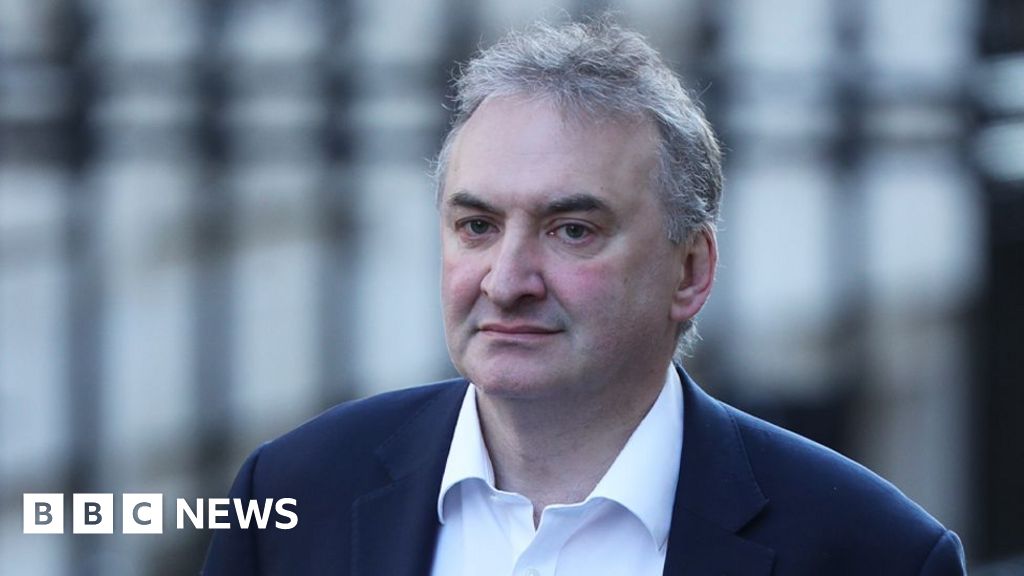
Sir Chris Wormald, a veteran of Whitehall and the most senior civil servant in the United Kingdom, has been compelled to resign from his pivotal roles as head of the Civil Service and Cabinet Secretary, marking the shortest tenure in the history of the post. His departure, less than 13 months after his appointment in December 2024 by Prime Minister Sir Keir Starmer, has sent ripples through the political establishment and the civil service alike, prompting questions about the stability of the government and the relationship between ministers and senior officials.
The Prime Minister’s official statement acknowledged Sir Chris’s contribution, expressing gratitude "for the support he has given me over the past year" and for his "long and distinguished career of public service." However, this formal acknowledgement stands in stark contrast to the surrounding circumstances. The Cabinet Office described the move as being "by mutual agreement," a phrase often used to mask a politically driven dismissal. This explanation follows a period of several months marked by persistent negative media reports and whispers from within Downing Street, indicating significant dissatisfaction with Sir Chris’s performance. These reports suggested a growing rift and a perception that Sir Chris was not adequately delivering on the government’s ambitious agenda.
When Sir Chris was appointed just over a year ago, Prime Minister Starmer had outlined a formidable mandate for him: "the complete re-wiring of the British state to deliver bold and ambitious long-term reform." This was a clear signal of the new Labour government’s intent to overhaul the machinery of government. However, the appointment of a career civil servant like Sir Chris, who had spent 35 years within the system, raised questions among some observers about whether he possessed the radical zeal deemed necessary to truly dismantle and rebuild established bureaucratic structures. Critics suggested that a long-serving insider might struggle to implement the kind of disruptive change the Prime Minister envisioned, potentially contributing to the underlying tensions that ultimately led to his removal.
A significant shadow hanging over Sir Chris’s brief tenure, and indeed a catalyst for the current governmental "reset," was the controversy surrounding Lord Mandelson’s appointment as US ambassador. Although Sir Chris had only assumed the Cabinet Secretary role a mere few days before the appointment was formally announced, the ultimate responsibility for the due diligence checks carried out prior to such high-profile appointments fell under his department’s purview. The Mandelson scandal, intertwined with concerns over the appointment of Lord Doyle as a peer, had thrust the vetting processes for senior roles under intense scrutiny due to their links to convicted sex offenders. This particular episode had led to significant public and political pressure on Sir Keir Starmer’s administration, forcing him to pledge a tightening of vetting procedures. As Cabinet Secretary, Sir Chris was also overseeing the government’s release of sensitive documents demanded by Parliament concerning Mandelson’s appointment, a process now left incomplete by his departure.
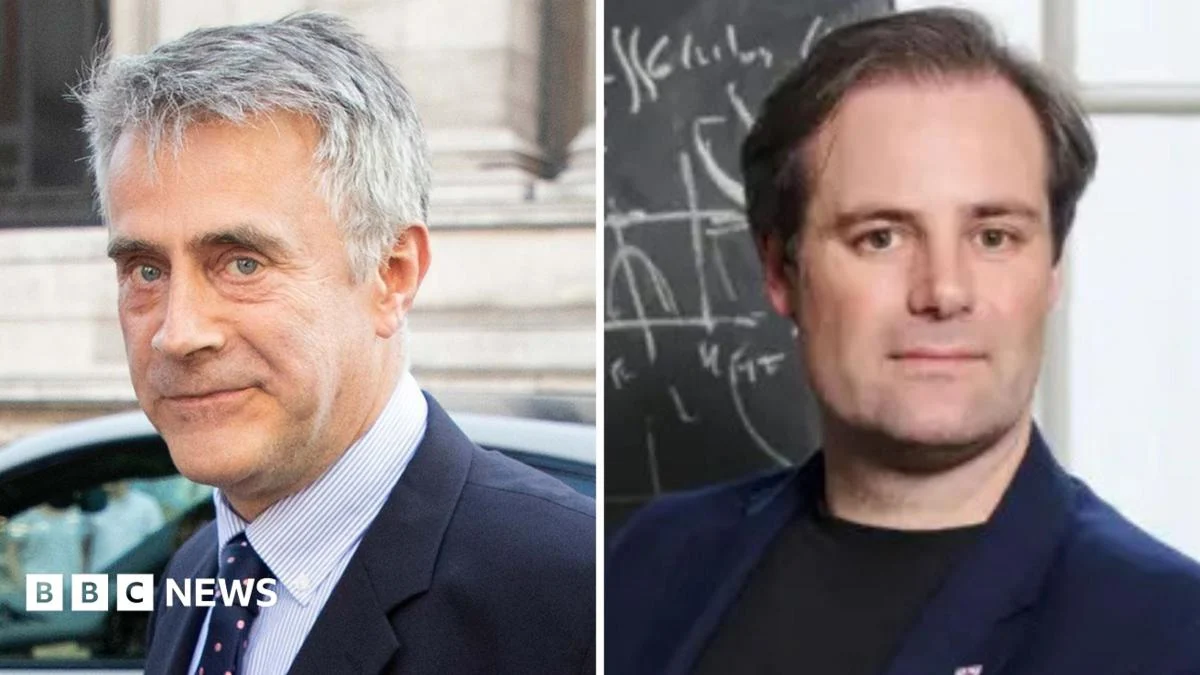
Sir Chris’s exit is not an isolated incident but forms part of a broader shake-up within Sir Keir Starmer’s government. It follows closely on the heels of two other high-profile departures from the Prime Minister’s inner circle: Morgan McSweeney, Sir Keir’s influential chief of staff, and Tim Allan, his director of communications. These resignations, occurring within a matter of days, strongly suggest a concerted effort by the Prime Minister to "reset his team" and regain control of the narrative after the damaging Mandelson scandal, signalling a clear intention to consolidate power and ensure unwavering loyalty to his reform agenda.
Further details emerging around Sir Chris’s departure include reports that he is set to receive a substantial payout in the region of £250,000. Downing Street has notably not denied these figures. Lord O’Donnell, a distinguished former Cabinet Secretary, offered insights into such financial arrangements, explaining that a senior civil servant’s exit package is typically "determined by the HR department and that turns on how many years he’s been in there." However, Lord O’Donnell stressed that in his experience, the prime minister ultimately had to approve such payouts and decide whether they represented good value for money, especially in sensitive circumstances.
Lord O’Donnell did not mince words when assessing the handling of Sir Chris’s departure, describing it as "shabby." He strongly condemned what he perceived as a campaign of "anonymous briefings" against Sir Chris, characterising such tactics as "one of the biggest failings of government." His pointed advice to the Prime Minister was to "get a grip on his special advisers," suggesting that these political appointees were potentially undermining the impartiality and reputation of the Civil Service through unattributed attacks. This sentiment was echoed by Dave Penman, the head of the FDA Union, which represents senior civil servants. Penman criticised the "anonymous briefings" in equally strong terms, calling Sir Chris’s treatment "a new low for this government and its relationship with the Civil Service," raising concerns about the morale and independence of the permanent bureaucracy.
The political opposition wasted no time in seizing on the news. Kemi Badenoch, the Conservative leader, launched a scathing attack, asserting that Sir Chris was "the latest person Keir Starmer has thrown under the bus to save his own skin." Liberal Democrat leader Sir Ed Davey added his voice to the chorus of criticism, posting on X (formerly Twitter): "Very worried about who Keir Starmer will blame when there is literally no one else left in Number 10," implying a pattern of scapegoating within the government. These reactions underscore the highly politicised nature of Sir Chris’s removal and the broader instability it suggests.
In the immediate aftermath, Sir Chris Wormald’s responsibilities will be temporarily shared among three highly experienced permanent secretaries: Catherine Little from the Cabinet Office, Dame Antonia Romeo from the Home Office, and James Bowler from the Treasury. This interim arrangement is expected to last only "shortly" until a permanent replacement is appointed.
Speculation is rife regarding Sir Chris’s successor, with Dame Antonia Romeo widely considered the government’s favoured candidate. If appointed, she would make history as the first female head of the Civil Service, a significant milestone. Dame Antonia was notably on the four-person shortlist for the role when Sir Chris was initially appointed. However, her potential elevation has not been without immediate controversy. On Wednesday evening, Lord McDonald, the former head of the Foreign Office and a figure of considerable authority in Whitehall, expressed reservations during an interview with Channel 4 News. He stated that if Dame Antonia were to be appointed, "in my view, the due diligence has some way still to go," and called for a "full process" that "starts from scratch" for the new Cabinet Secretary.
Lord McDonald’s comments were widely interpreted as a veiled reference to an investigation Dame Antonia faced in 2017 concerning allegations about her spending while she served as the government’s consul-general in New York, a period during which Lord McDonald was her superior. The Cabinet Office swiftly responded to Lord McDonald’s remarks, issuing a strong defence of Dame Antonia. A spokesperson declared, "There is absolutely no basis for this criticism. Antonia Romeo is a highly respected permanent secretary with a 25-year record of excellent public service." The statement further clarified that "The allegations all come from a single grievance made some time ago by a former employee. All the allegations were dismissed on the basis there was no case to answer," aiming to quell any renewed scrutiny of her past conduct.

The process for appointing the next Cabinet Secretary will be agreed upon by the First Civil Service Commissioner, currently Baroness Stuart, the former Labour MP and prominent Brexit campaigner Gisela Stuart. This oversight is intended to ensure impartiality and merit in the selection process. Sir Keir Starmer, acutely aware of the damage caused by recent appointments, has reiterated his promise to tighten up vetting procedures for senior roles, a direct consequence of the Mandelson and Doyle scandals. Kemi Badenoch, reflecting opposition concerns about political influence, had specifically called for Sir Chris to remain in his post until the parliamentary demands for documents related to Lord Mandelson’s appointment were fully satisfied, and for a "full new process" to be implemented for his replacement, underscoring the broader implications of this sudden leadership change for the integrity and independence of the Civil Service. The departure of Sir Chris Wormald, therefore, is not merely a personnel change but a significant event reflecting deep-seated tensions between political ambition and civil service impartiality at the heart of government.



 Roy Suryo
 Nakalama John
 atisusanti