Roy Suryo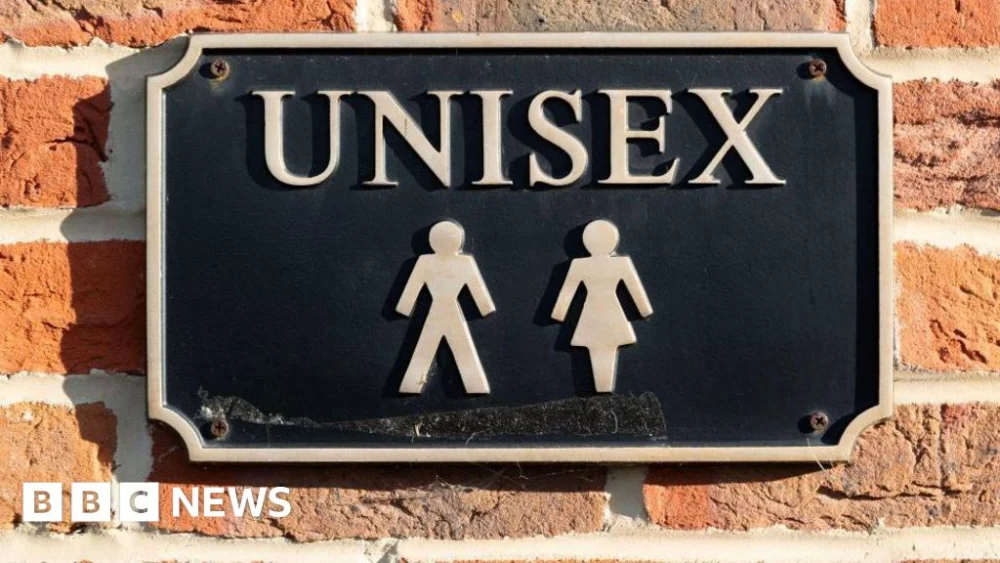
In a landmark decision with profound implications for transgender rights and public facilities, the High Court has dismissed a legal challenge brought against the Equality and Human Rights Commission’s (EHRC) guidance concerning the use of single-sex toilets and changing rooms by transgender individuals. The ruling, delivered by Mr Justice Swift, affirms the legality of the EHRC’s controversial interim guidance, which suggested that in situations where single-sex facilities are legally permissible, they should be used by individuals of the same biological sex. This means that, for instance, a transgender woman, who is biologically male but identifies as female, would generally be expected to use gender-neutral facilities or male toilets, rather than those designated for women.
The legal challenge was mounted by the Good Law Project (GLP), a prominent campaign group, alongside three anonymous individuals. The GLP argued that the EHRC’s guidance, initially issued in April of the previous year and subsequently withdrawn six months later, was "legally flawed" and "overly simplistic." The guidance was intended to provide clarity for employers and public service providers, including hospitals, shops, and restaurants, on how to manage facilities in light of evolving legal interpretations regarding sex and gender.
Mr Justice Swift, in his judgment, directly addressed the core contention of the challenge, stating that the submission made to him was that "in substance" the guidance implied that service providers could "require" a transgender person to use lavatories corresponding to their biological sex. The judge unequivocally rejected this interpretation, asserting, "I do not consider this is a reasonable reading of the guidance." He further ruled that the EHRC’s decision to publish the update "promptly" contained "no error of law," thereby validating the commission’s process and the content of the guidance.
The EHRC’s interim guidance was issued in the wake of a significant Supreme Court ruling in April 2025. This pivotal judgment clarified that, under the 2010 Equality Act, the terms "woman" and "sex" referred specifically to biological women and biological sex. This interpretation formed the bedrock of the EHRC’s subsequent guidance, aiming to align practical application with this legal precedent.
During the hearing, lawyers representing the GLP argued that expecting a transgender person to use a gender-neutral toilet could constitute "less favourable treatment," a key consideration under anti-discrimination law. However, Mr Justice Swift dismissed this argument, finding no legal basis for it within the context of the EHRC’s guidance. While the judge refused the GLP’s application for judicial review, he did invite further submissions from all parties regarding the potential for an appeal, indicating the complex and sensitive nature of the issues at stake.
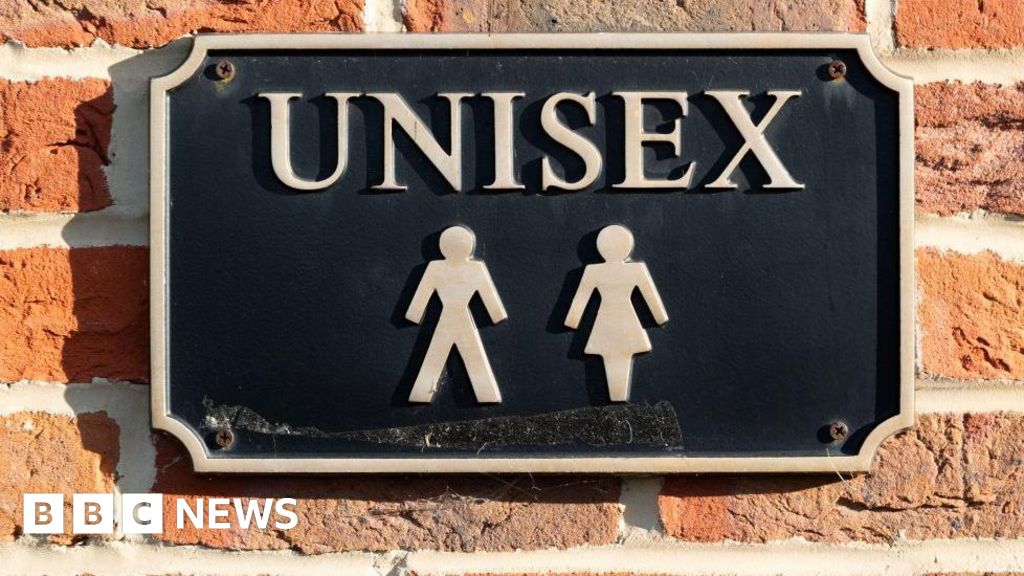
A significant point of clarification in Friday’s judgment was the Supreme Court’s "one clear conclusion": if an employer or business provides a service that is used by both men and women, then such a service would not be considered a "single-sex service." This distinction is crucial in determining when single-sex provisions are legally permissible under the Equality Act.
The judge also expressed his disapproval of what he termed "polarised language" used in some of the legal submissions presented to the court. He criticized arguments that suggested a transgender person "must" use facilities aligning with their biological sex, as well as counter-arguments that implied the guidance assumed women’s rights inherently "trump" the rights of transgender people. Mr Justice Swift emphasized the importance of a balanced approach, urging those who provide facilities to not only comply with the law but also to be "guided by common sense and benevolence rather than allow themselves to be blinkered by unyielding ideologies."
The Good Law Project has indicated its deep concern regarding the High Court’s ruling. Jess O’Thomson, the GLP’s trans rights lead, stated that the group is "deeply concerned about many aspects" of the decision. However, O’Thomson also noted that the ruling "showed that the law has been dangerously misrepresented," suggesting that the GLP believes the court’s interpretation may not fully capture the nuances of transgender rights under existing legislation.
In contrast, the gender-critical campaign group Sex Matters, which also made legal submissions during the proceedings, welcomed the judgment. Maya Forstater, the chief executive of Sex Matters, urged the government to issue the final guidance "without delay." She asserted that "The law is clear. There was never any excuse for the government, public bodies, regulators, charities or businesses to delay in implementing the Supreme Court judgement," highlighting the group’s view that the legal landscape regarding sex and gender has been definitively settled.
Dr Mary-Ann Stephenson, the chair of the EHRC, expressed her satisfaction with the court’s finding that the commission’s guidance was lawful. She reiterated the EHRC’s commitment to upholding the rights of all individuals under the Equality Act, including those with the protected characteristics of sex, sexual orientation, and gender reassignment. Dr Stephenson concluded by stating, "A shared and correct understanding of the law is essential to that endeavour," underscoring the importance of legal clarity in safeguarding rights.
The implications of this High Court decision are far-reaching, potentially impacting how businesses and public services interpret and implement policies related to gender and facilities. The judgment is likely to fuel ongoing debates about transgender rights, women’s rights, and the practical application of the Equality Act in a society grappling with evolving understandings of gender identity. While the GLP has expressed reservations, and the possibility of an appeal remains, the current ruling provides a significant legal affirmation for the EHRC’s approach, emphasizing a legal framework that prioritizes biological sex in specific contexts while also calling for common sense and benevolence in implementation. The case underscores the persistent tension between the legal recognition of gender identity and the legal definition of sex, a debate that continues to shape public policy and social discourse. The EHRC’s role as a statutory regulator in navigating these complex issues remains central, and its guidance, now judicially validated, will likely inform future operational decisions across various sectors. The call for "common sense and benevolence" from the judge suggests a desire for practical, humane solutions that respect legal frameworks while acknowledging the diverse needs and identities within society.




 Nakalama John
 atisusanti
 Ramos Leo