Nakalama John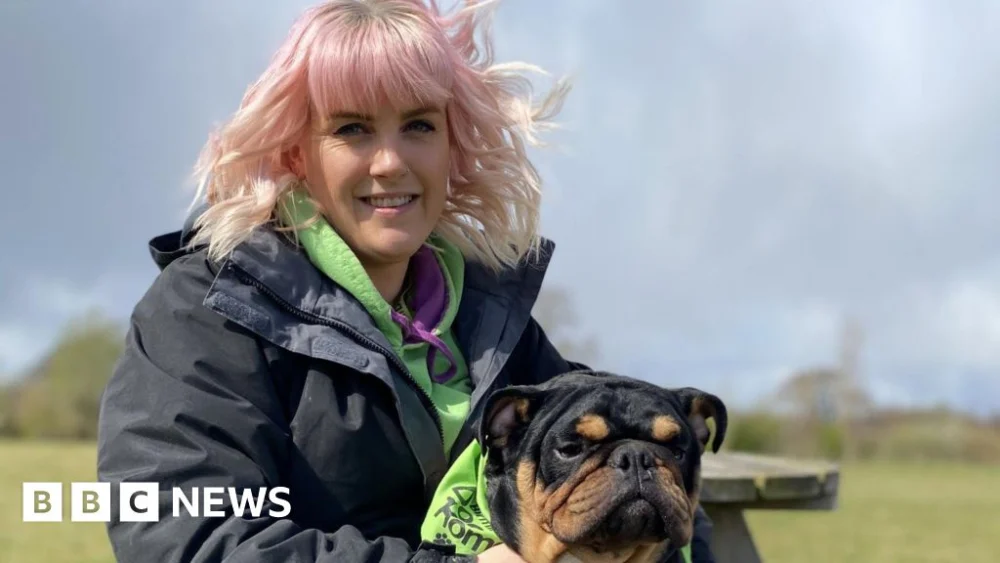
Hayley Gee, the dedicated centre manager at Birmingham Dogs Home, confirmed that the charity’s vet bills have "definitely increased" over recent periods. She highlighted a disturbing trend: more and more dogs are being brought into their care requiring urgent and often complex medical attention that their previous owners either couldn’t or wouldn’t provide. "We have cases where dogs should have had treatment a long time ago or they should have seen a vet immediately and they haven’t," Gee lamented, painting a grim picture of delayed interventions leading to more severe and costly health issues.
The issue of spiralling vet costs extends beyond charities to individual pet owners across the UK. Earlier this year, a report from the Competition and Markets Authority (CMA) watchdog revealed that vet prices had surged at nearly twice the rate of inflation, intensifying the financial strain on households with pets. This finding corroborated concerns voiced by vets and animal charities alike, who had previously told the BBC that pet owners were increasingly forced into agonizing decisions, including putting down sick animals or delaying crucial treatment to avoid mounting bills.
Warning: This story contains information some readers may find distressing.
Gee provided a stark example of the severity of cases the charity now encounters. "We had a case this weekend, actually, where we found a dog tied up to a post outside our gate," she recounted. The situation quickly escalated when it was discovered the dog had recently given birth to a litter of puppies. Tragically, the day after being rescued, she gave birth to another puppy that had already started to decompose inside her. "Most likely she has had a litter and got into some trouble or the litter has passed away," Gee speculated, adding, "Instead of rushing her to the vets they’ve handed her into us. She’s a very lucky girl to still be with us." This heartbreaking incident underscores the desperate measures some owners resort to when faced with insurmountable veterinary expenses. An emergency caesarean, like the one potentially needed in such a complex scenario, can cost anywhere from £1,000 to £2,000, depending on the extent of medical intervention required, including anaesthesia, surgical team fees, post-operative care, and medication. For a charity like Birmingham Dogs Home, which also operates a centre in Wolverhampton, these costs accumulate rapidly.
Despite the financial pressures, the charity remains steadfast in its mission. "If the survival rate is good and we think if we can put everything at this dog and they will come through the other end, then absolutely, we will always give it a go," Gee affirmed, showcasing the unwavering commitment to animal welfare that defines the organisation. While the Birmingham Dogs Home benefits from an on-site vet practice for routine care and initial assessments, specialist surgeries and complex treatments often necessitate external referrals, pushing costs significantly higher. "We spend about £400,000 a year on vet treatments alone," Gee stated, highlighting the colossal financial commitment to the health and well-being of the hundreds of dogs they care for annually.
The challenges faced by Birmingham Dogs Home are multifaceted, extending beyond just vet bills. Gee revealed that the centre receives an average of 150 calls per month for dogs needing placements, a demand that is becoming increasingly difficult to meet. The rehoming process has slowed considerably, with the number of successful adoptions halving in the last 12 months. This bottleneck means kennels remain full for longer, creating a constant struggle for capacity to help new arrivals. "Because we take in stray dogs we don’t have a say on what comes in and we have a lot of larger breeds, for example," Gee explained. Larger dogs typically incur higher costs for food, require more extensive living spaces, and are often more expensive to insure, making them less appealing to potential adopters already grappling with the cost of living crisis. "It definitely more difficult to rehome a dog now and we are constantly struggling for capacity to help another dog," she stressed, underscoring the grim reality that "a kennel doesn’t stay empty for very long, unfortunately."
Rob Williams, president of the British Veterinary Association (BVA), offered insight into the broader factors contributing to the surge in vet fees. He explained that a range of reasons underpin the increases, including significant advancements in veterinary medicine. "Vets can do so much more today to help animals than even a decade ago and, increasingly, pet owners expect human quality healthcare for their pets, and this does come at a cost," Williams elaborated. These advancements include sophisticated diagnostic tools such as MRI and CT scans, complex surgical procedures, advanced oncology treatments, and a wider array of specialized medications. Providing such high-quality care requires substantial investment in cutting-edge equipment, continuous professional development for veterinary staff, and a team of highly skilled professionals, from veterinary surgeons to nurses and support staff, whose expertise comes at a premium. Furthermore, the veterinary sector, like all industries, is subject to general inflationary pressures, with rising costs for utilities, rent, supplies, and staffing impacting operational expenses.
The findings from the CMA investigation further highlight systemic issues within the veterinary market. The watchdog raised concerns about a lack of transparency in pricing, the consolidation of independent practices into large corporate groups, and potential restrictions on pet owners’ choices for out-of-hours care. These factors can limit competition and drive up costs, leaving consumers with fewer affordable options.
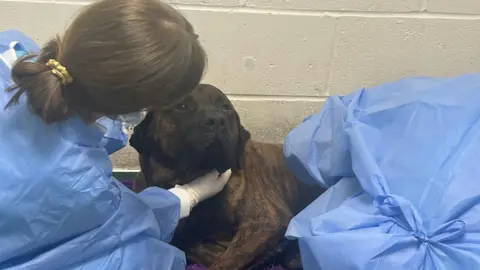
For charities like Birmingham Dogs Home, the confluence of rising vet costs, increased abandonment rates, and a struggling rehoming market creates a perfect storm. Every pound spent on emergency vet care is a pound not available for preventative health, shelter maintenance, or enrichment programs for the animals. The difficult decisions about which animals to treat, and to what extent, are a daily reality, balanced against the charity’s finite resources.
To mitigate this growing crisis, both individual pet owners and the wider public have roles to play. The BVA’s Rob Williams encouraged owners worried about costs to "talk to their vet" as "we’ll always do our best to support animals and their owners," suggesting that early communication can often lead to more manageable solutions. Pet insurance, while an additional expense, can provide a crucial safety net against unexpected large bills. Preventative care, such as regular vaccinations, parasite control, and appropriate nutrition, can also help avert more serious health issues down the line.
For the Birmingham Dogs Home and other animal welfare organisations, public support is more critical than ever. Donations, volunteering time, or indeed, considering adopting a dog from a reputable charity, directly contribute to their ability to continue their life-saving work. Without this support, the growing financial strain from rising vet costs threatens to compromise the welfare of countless vulnerable animals, leaving charities struggling to provide the care they so desperately need. The long-term implications for animal welfare in the UK are significant, demanding a collaborative effort from industry, government, and the public to ensure that no animal is left to suffer due to economic hardship.



 George Anjay
 Ramos Leo
 Nana Banana