
 Roy Suryo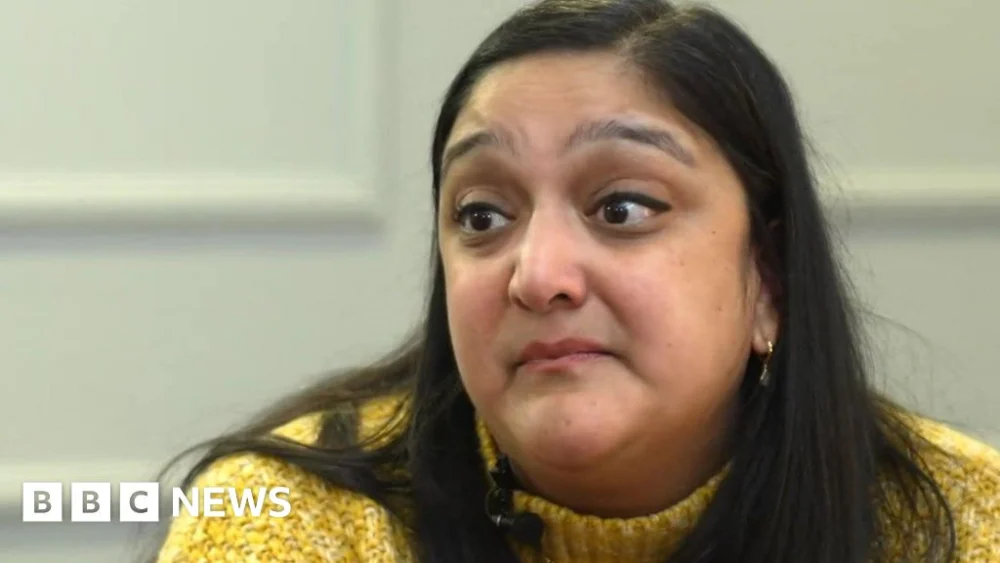
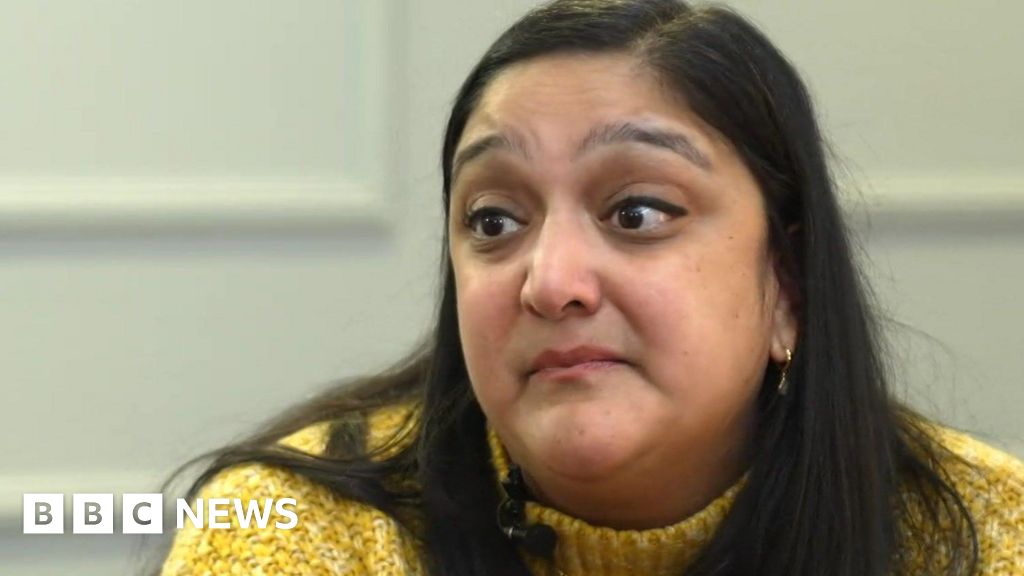
Sanju Pal, a former management consultant and award-winning achiever, was once at the pinnacle of her career, recognised for her ambition and success. Her accolades included the Asian Woman of Achievement Award, a meeting with the late Queen Elizabeth, an invitation to 10 Downing Street, and a prestigious role at the City firm Accenture. However, this trajectory was abruptly halted in 2019 when she failed to meet her performance targets, a consequence of taking time off for surgery to address two large ovarian cysts. This setback led to her dismissal, leaving her feeling stripped of her identity and purpose. "Suddenly it was taken away from me, and I became nothing," she recalled. "I wasn’t a high performer anymore because I had a disability." This sentiment of shame and loss was profound, marking a turning point in her life. Fortunately, last month, Ms. Pal achieved a significant victory at an employment appeal tribunal, a ruling that could have far-reaching implications for how employers handle cases involving employees with endometriosis.
Endometriosis is a chronic condition where tissue similar to the lining of the uterus grows outside the uterus. These endometrial-like cells can enlarge and react to hormonal changes during the menstrual cycle, leading to inflammation, pain, and the formation of scar tissue. While most commonly found on the pelvic lining and ovaries, it can also affect organs like the bowel or bladder, and in some cases, extend beyond the pelvic region. Currently, there is no cure for endometriosis, with treatments primarily focusing on pain management and, in some instances, surgical intervention.
In Ms. Pal’s case, her diagnosis in 2018 revealed severe, deep endometriosis that had progressed to Stage 3 endometrioma. She had a substantial 7.5cm (3-inch) fluid-filled cyst on her left ovary and a smaller cyst on her right ovary. The severity of these cysts necessitated immediate surgery and a subsequent period of recovery.
Following her operation, Ms. Pal returned to work after a month. However, it became evident that her return was premature. "I was in touch with HR, I was telling them how I was in pain, how I was struggling," she recounted. "I was bleeding, I could barely walk, because I’d been pushing myself too much, pushing myself through the fatigue wanting to make senior manager." Despite her efforts to manage her condition and maintain her performance, the physical and emotional toll of endometriosis began to impact her work.
At her six-month performance review, after nearly a decade of consistently high performance, Ms. Pal was informed that she would not meet her targets. This news was followed by her termination and immediate dismissal from the premises, with instructions not to contact anyone. "I wasn’t a high performer anymore, according to them, because I had a disability, because I was unwell and wasn’t going to be contributing to the business in the way that I had been before," she stated, articulating the deep injustice she felt.

The experience left Ms. Pal grappling with intense shame and distress. "I was so sad and shocked and anxious. I didn’t feel like I could tell anyone. I literally became a shell of myself." Her subsequent internal appeal, where she disclosed further details of her medical condition, was unsuccessful, with the firm upholding its decision to terminate her employment. The loss of her job was compounded by the loss of her private medical insurance, a critical blow during a vulnerable period in her illness.
Facing these compounded difficulties, Ms. Pal felt compelled to seek recourse through an employment tribunal. In 2022, the tribunal ruled in her favour regarding her unfair dismissal claim but declined to award her compensation. Undeterred, Ms. Pal appealed this decision. In January 2026, the Employment Appeal Tribunal reviewed her case and found that the original tribunal had failed to adequately consider Ms. Pal’s status as a disabled person due to her endometriosis and had not properly addressed the discrimination she faced as a result of her condition.
In response to inquiries, Accenture provided a statement to the BBC stating, "As this is an ongoing legal matter we cannot comment further at this time."

Seven years and two employment tribunals later, Ms. Pal acknowledges that the ordeal has profoundly changed her. She continues to dedicate her time to volunteering with RISE, a charity she founded during her school years, which fosters connections between young people in rural India and London. Her passion for this cause remains unwavering. She also continues to play the violin with the West London Sinfonia and hosts a podcast, demonstrating her resilience and commitment to her interests. However, her pursuit of a career in business has been largely sidelined as she fought for her endometriosis to be officially recognised as a disability.
"My heart goes out to anyone going through the employment tribunal system because it’s not easy," Ms. Pal remarked, acknowledging the arduous nature of her legal battle. Despite the challenges, sharing her story has provided her with a sense of solace and purpose. She expressed hope that her case will establish a precedent for endometriosis to be recognised as a disability under the Equality Act 2010, paving the way for better protections for other women. Ms. Pal is committed to advocating for legal reform and continuing to be a voice for women living with endometriosis. "The number of messages I receive from women saying ‘I couldn’t talk about this, I felt afraid to, but you’re doing it’," she shared, highlighting the impact of her advocacy.




 Nakalama John
 atisusanti
 Ramos Leo
