Nakalama John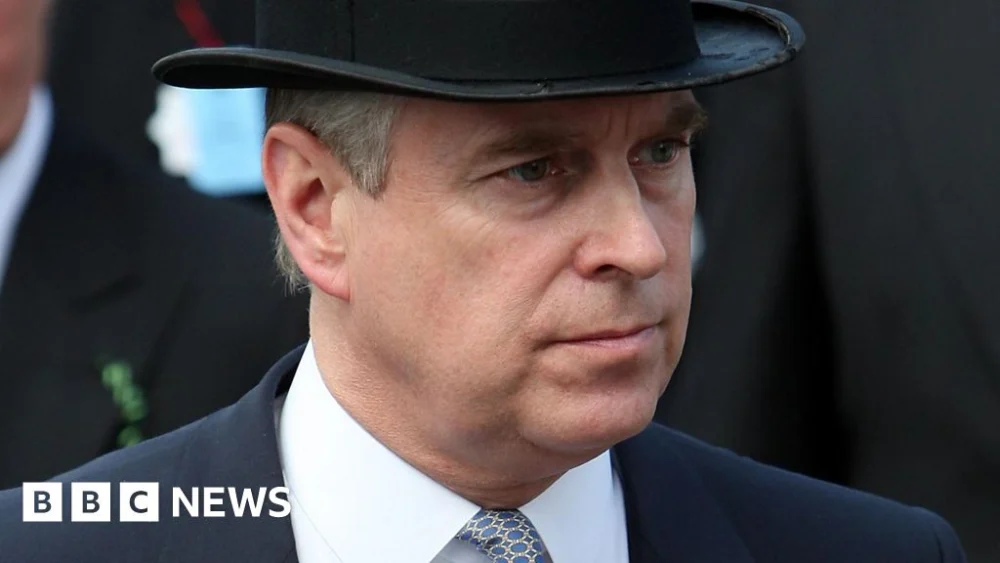
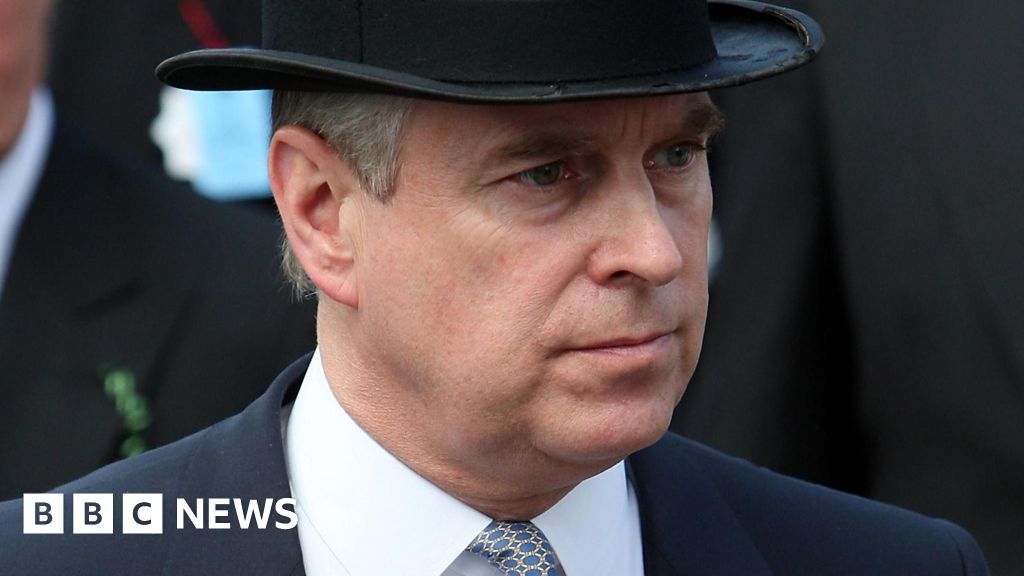
Andrew Mountbatten-Windsor, formerly known as Prince Andrew, is currently confronting a fresh accusation regarding the alleged sharing of an official government document. Reports suggest that in 2010, while serving as the UK’s Special Representative for International Trade and Investment, he provided a sensitive Treasury briefing to one of his private business associates, Jonathan Rowland. This latest claim adds significant pressure on Mountbatten-Windsor, intensifying scrutiny over his conduct during his public service role and raising questions about the potential misuse of privileged information for private connections.
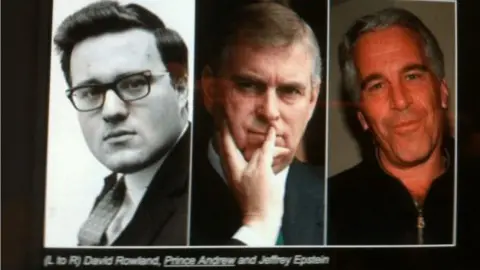
The allegations stem from emails that have been published by The Telegraph, indicating a specific request made by the then Prince Andrew to Treasury officials for information concerning banking problems in Iceland. This information, once obtained, was reportedly forwarded to Jonathan Rowland, whose father, David Rowland, had acquired parts of a struggling Icelandic bank, Kaupthing, which subsequently became Banque Havilland. The timing of this exchange is crucial, as it occurred amidst a period of considerable financial instability in Iceland following the 2008 global financial crisis, and an ongoing dispute between Iceland and the UK regarding compensation for British depositors in failed Icelandic banks.
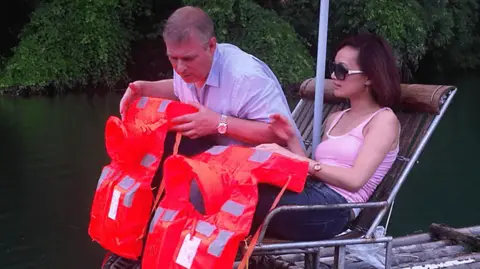
This incident is not an isolated one, coming on the heels of other revelations from the recently unsealed "Epstein files" by the US Department of Justice. These documents suggested that Mountbatten-Windsor had previously shared various official documents, some explicitly labelled "confidential," with convicted sex offender Jeffrey Epstein. Examples cited included reports from overseas trade trips to Southeast Asia and a briefing by UK officials on investment opportunities in Afghanistan. Such alleged actions paint a consistent picture of a pattern where official governmental information, presumably intended for strategic or policy use, found its way into the hands of private individuals with whom Mountbatten-Windsor maintained close personal and business ties.
The particular Treasury briefing at the heart of the current claim was described in the emails as "an update note on the latest position between the UK and Iceland on the matter of the deposits and the deposit guarantee scheme." To fully grasp the significance of this document, it’s important to recall the economic turmoil of 2008. Iceland’s banking sector faced a catastrophic collapse, leading to the nationalisation of its three largest banks: Kaupthing, Landsbanki, and Glitnir. This crisis left thousands of British savers, who had deposited money in the online savings accounts of Icelandic banks like Icesave (part of Landsbanki), facing uncertainty. The UK government subsequently compensated these depositors, leading to a protracted and contentious dispute with Iceland over repayment, which was still a live and sensitive issue in 2010. Any information detailing the UK’s position or strategy in this delicate financial and diplomatic standoff would have been highly valuable, especially to those with direct commercial interests in the Icelandic banking sector.
Upon receiving the Treasury information, Mountbatten-Windsor swiftly forwarded it to Jonathan Rowland. The accompanying message, as published by The Telegraph, read: "I pass this on to you for comment and a suggestion or solution? The essence is that Amanda is getting signals that we should allow the democratic process [to] happen before you make your move. Interested in your opinion? A." This excerpt suggests Mountbatten-Windsor was actively soliciting advice or input from Rowland on a matter of state, potentially influencing or informing Rowland’s business strategies concerning the Icelandic financial landscape.
Jonathan Rowland’s father, David Rowland, a property magnate and financier, played a significant role in the aftermath of the Icelandic crisis. He acquired the Luxembourg-based operations of Kaupthing, the largest Icelandic bank, renaming it Banque Havilland. Jonathan Rowland himself served as the chief executive of Banque Havilland until 2013. The connection between the Treasury briefing and the Rowlands’ banking interests is therefore direct and clear, raising questions about whether Mountbatten-Windsor’s actions amounted to an inappropriate use of his public office to benefit private associates.
The relationship between Andrew Mountbatten-Windsor and the Rowland family was evidently close, as further revealed by the Epstein files. Mountbatten-Windsor referred to David Rowland as his "trusted money man" and actively promoted Rowland’s banking ventures to Epstein. In October 2010, for instance, Mountbatten-Windsor wrote to Epstein about Banque Havilland: "He is actively seeking high net worth individuals for his Private Bank. Perhaps this is an avenue for your undecided Chinese?" Epstein’s reply, "His bank just might be the place.. I guess i should learn more," suggests a reciprocal interest in these connections.
Beyond business introductions, the emails from the Epstein files also appeared to indicate that Banque Havilland might have provided loans to Mountbatten-Windsor’s ex-wife, Sarah Ferguson, during a period when she faced significant debt problems. This further underscores the intertwined nature of their personal and financial relationships. The Rowlands, both father and son, frequently accompanied Mountbatten-Windsor on his official trade envoy trips to various countries, including China and former Soviet states, further blurring the lines between public duty and private interests. David Rowland was a guest at the opening of Banque Havilland and attended Mountbatten-Windsor’s birthday party and his daughter Princess Eugenie’s wedding, highlighting the social dimension of their connection.
Banque Havilland itself has faced regulatory challenges in recent years. The bank has encountered problems with regulators in both the UK and Europe, leading to the loss of its banking licence in 2024, a decision the bank is currently appealing. This context adds another layer to the scrutiny of Mountbatten-Windsor’s association with the Rowlands and their financial enterprises.
In response to these allegations, Jonathan Rowland informed the BBC that he had "no idea" about the specific reference to him in the emails and stated that the quoted emails originated from legal proceedings from "some time ago." He did not deny the possibility of him, his father, or Banque Havilland having paid or lent money to Mountbatten-Windsor or Ferguson, but firmly denied ever providing money in exchange for access to contacts. Crucially, the news article explicitly states that there is "no suggestion of wrongdoing on the part of Jonathan and David Rowland."
The Cabinet Office has refrained from making an official comment on the matter but has not disputed the authenticity of the published emails. Instead, a spokesman referred to the current position of Thames Valley Police, who are assessing whether to initiate an investigation into possible misconduct in public office concerning Mountbatten-Windsor. This assessment follows reports by The Times on Friday night, suggesting that police had engaged in informal discussions with the government regarding emails and documents related to the former prince and Jeffrey Epstein, ahead of a potential criminal inquiry. While government sources told the BBC they were unaware of specific discussions, they indicated it would not be surprising if such conversations had occurred between civil servants and the police. One government source affirmed, "We will hand over what is requested of us on Andrew front."
Andrew Mountbatten-Windsor has been contacted for comment regarding these latest claims. He has consistently and strongly denied any wrongdoing in his association with Jeffrey Epstein and, by extension, in the context of any documents shared. The unfolding situation highlights the continued challenges and controversies surrounding Mountbatten-Windsor’s past conduct, particularly concerning the boundaries between his official duties and his personal connections.


 George Anjay
 Ramos Leo
 Nana Banana