Nana Banana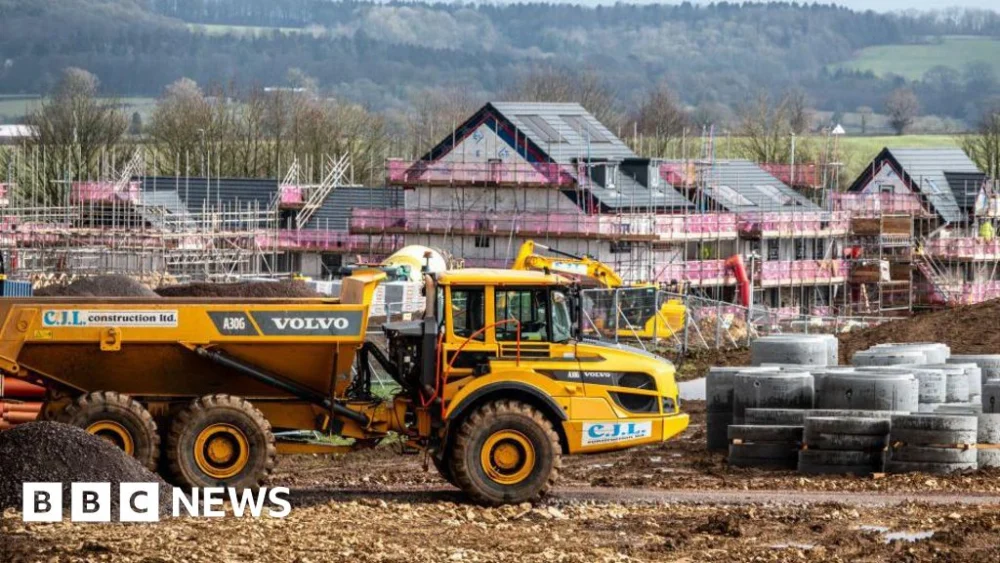
The core of the controversy lies in the government’s review and subsequent modification of the Biodiversity Net Gain policy. Introduced under the Environment Act 2021 and made mandatory for major developments in England in February 2024, and for smaller sites from April 2024, BNG legally requires developers to demonstrate that their projects will deliver a 10% increase in biodiversity compared to the pre-development state. This means if a development destroys a habitat, the developer must create or enhance a habitat elsewhere, either on-site or off-site, to achieve a measurable net positive impact on nature. The policy was hailed as a landmark commitment, designed to integrate environmental recovery directly into the planning process and ensure development contributes positively to nature, rather than simply mitigating harm.
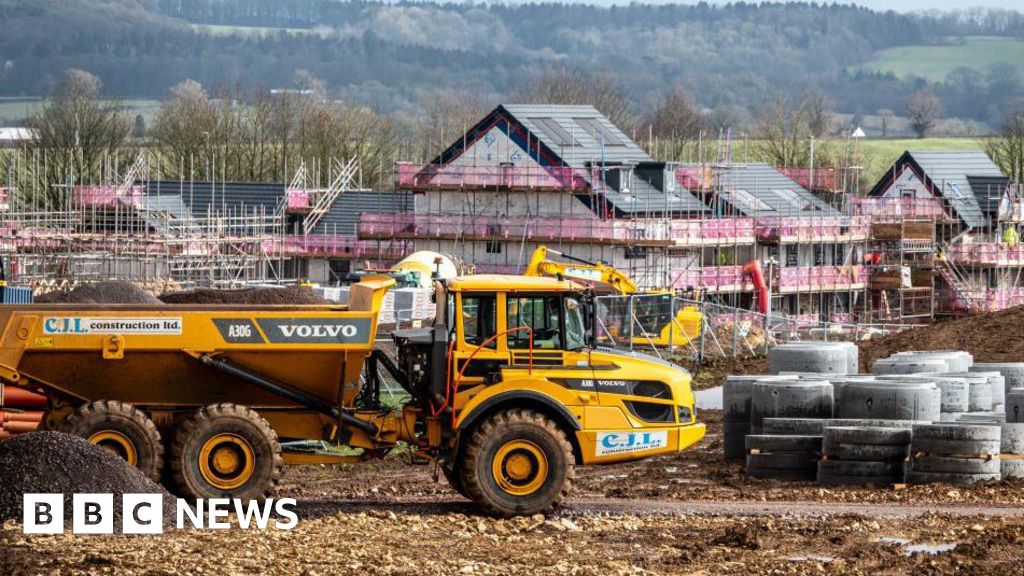
However, the government’s latest announcement significantly broadens the scope of exemptions from these crucial rules. Previously, only very minor developments, such as householder applications, were typically excluded. Now, more housing developments will be exempt, specifically those under 2,000 square meters of land. This exemption is projected to apply to an estimated 12,500 new homes annually, a substantial portion of the nation’s smaller-scale building projects. Ministers argue that the original BNG requirements, while well-intentioned, added undue complexity, cost, and delays to the planning process, particularly burdening smaller developers and hindering the delivery of much-needed homes.
This expansion of exempted developments has triggered a wave of anger and dismay from leading nature charities and conservation groups. They contend that the decision risks "hollowing-out one of the most important nature protection policies in a generation" and stalling the nation’s efforts towards nature recovery. Richard Benwell, CEO of Wildlife and Countryside Link, a coalition representing numerous conservation organizations, voiced strong concerns, stating, "It’s good that exemptions are narrower than originally proposed, but this is still damage limitation, not positive leadership for nature." Critics argue that while individual small developments might seem to have a minor impact, the cumulative effect of thousands of exempted projects could be devastating, leading to significant, uncompensated habitat loss across the country.
The Wildlife Trusts, another prominent conservation charity, echoed these concerns. Craig Bennett, chief executive, accused the government of attempting to "scapegoat nature for a failing economy." Speaking in an interview with the BBC, Bennett emphasized the public’s desire for both economic development and environmental protection. "The British people want to see development for the economy and for nature at the same time," he asserted, "and yet this government seems intent on pitching them as one against the other." Environmentalists highlight that the UK is already one of the most nature-depleted countries globally, and policies like BNG were vital tools to reverse this trend. Weakening them, they argue, undermines national and international commitments to biodiversity and climate action.
Beyond the immediate BNG changes, the government’s announcement forms part of a more extensive overhaul of the National Planning Policy Framework (NPPF), unveiled by Matthew Pennycook, Minister of State for Housing. The overarching goal, as articulated by Pennycook, is to "get Britain building again" and achieve the government’s ambitious target of constructing 1.5 million new homes within the current parliamentary term. Pennycook acknowledged that these reforms would "not be without their critics," but insisted on decisive action in the face of a "housing crisis that has become a genuine emergency in parts of Britain."

Other significant reforms outlined include a "default yes" to planning applications near railway stations, a measure designed to encourage higher-density urban development and capitalize on existing infrastructure. Crucially, this "default yes" policy will extend even to some designated green belt land surrounding these transport hubs, a move that is likely to spark further controversy given the traditional protection afforded to green belt areas. Environmental groups and local communities often fiercely oppose development on green belt land, citing its importance for biodiversity, public amenity, and preventing urban sprawl.
To placate some environmental concerns, the government also stated that new builds would be required to include "nature-friendly features." These features might include the installation of swift bricks, which provide nesting sites for declining swift populations, as well as bird boxes and hedgehog highways to support local wildlife. While these measures are welcomed by conservationists, many argue they are insufficient to offset the broader impact of removing BNG requirements from a significant portion of new developments, especially when compared to the comprehensive habitat creation and enhancement mandated by the original BNG policy.
From the perspective of the building industry, the BNG policy has indeed presented challenges. Rico Wojtulewicz of the National Federation of Builders, a building trade body, articulated the industry’s frustrations, stating that BNG had made building "harder, more expensive and more complicated." Developers have complained about the bureaucratic hurdles, the need for specialist ecological surveys, and the costs associated with delivering the 10% biodiversity net gain, particularly for smaller projects where the proportional cost can be higher. They argue that these factors contribute to project delays and ultimately make some housing developments unviable, exacerbating the housing shortage. The government’s decision to exempt smaller sites is therefore framed as a pragmatic response to these industry concerns, aiming to streamline the process and reduce overheads for smaller-scale builders.

The consultation process preceding these changes had explored various options, including exempting even larger sites of up to 10,000 square meters (roughly one or two football fields). While the government opted for a narrower exemption of 2,000 square meters for now, it also announced further consultations on expanding exemptions to brownfield sites of up to 25,000 square meters. This indicates a potential future trajectory towards even greater deregulation in the name of development. Furthermore, measures will be introduced to make it "easier, quicker, and cheaper" for medium-sized developments to deliver off-site nature improvements, suggesting a shift towards larger, potentially more efficient, strategic habitat banks rather than individual on-site efforts for smaller projects.
The Duxford Habitat Bank in Oxfordshire, for example, represents such a strategic approach, where wetland and floodplain habitats are created and restored to generate "biodiversity units" that developers can purchase to fulfill their BNG obligations. While such initiatives are positive, the concern among environmentalists is that without mandatory BNG for smaller sites, the incentive to invest in these larger habitat banks will diminish, leading to a net loss of biodiversity across the landscape.
In essence, the government is walking a tightrope, attempting to balance the urgent need for housing with its stated commitment to environmental protection. While ministers champion these changes as necessary steps to tackle the housing crisis and stimulate economic growth, critics view them as a dangerous retreat from crucial environmental safeguards. The long-term impact of these policy revisions on England’s biodiversity and the government’s ability to meet both its housing and environmental targets remains to be seen, but the debate has firmly underscored the deep divisions between development imperatives and nature conservation in the country.




 Roy Suryo
 George Anjay
 Ramos Leo
 atisusanti