
 Nakalama John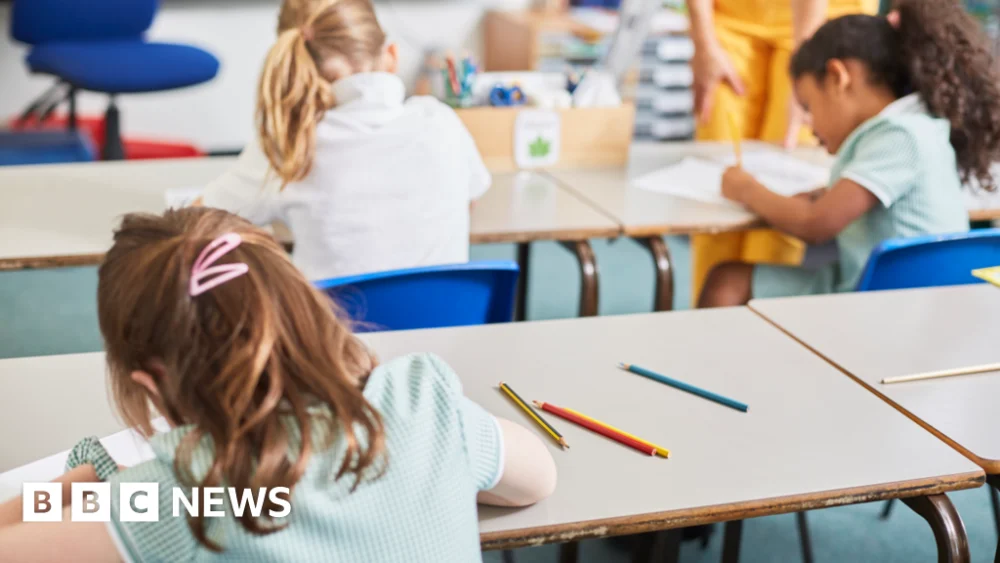
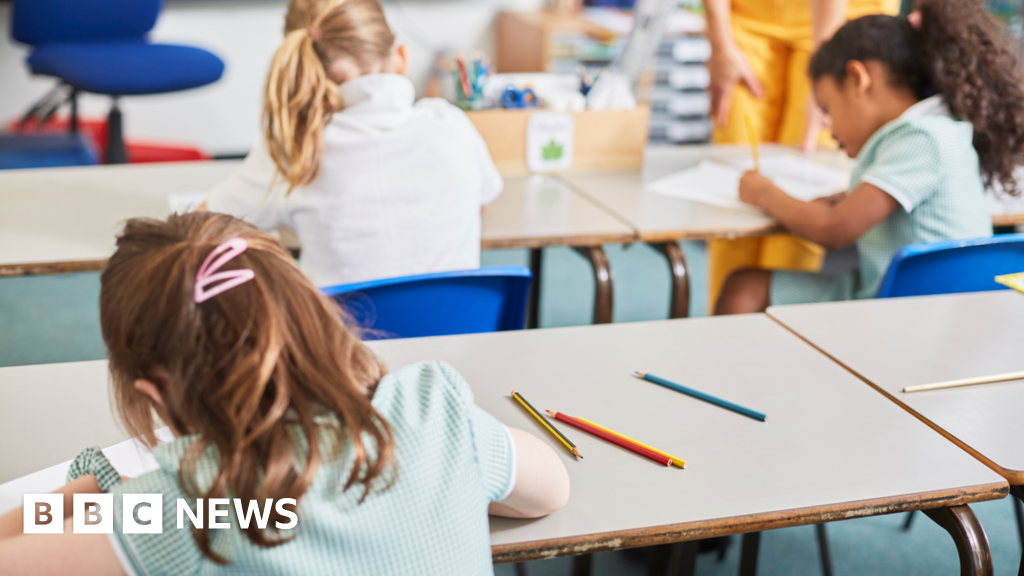
The core objective behind this ambitious undertaking was to develop a nuanced understanding of how limited financial resources can significantly impede a child’s educational journey and restrict their full participation in school life. The project aimed to move beyond superficial observations, delving into the systemic and daily barriers faced by pupils from less affluent households. For instance, the research highlighted how financial constraints often prevent children from engaging in extracurricular activities such as sports clubs, music lessons, or educational trips – opportunities that are often pivotal for holistic development, skill acquisition, and social integration. Beyond these, the project explored how the necessity of purchasing specific school supplies, specialist equipment for certain subjects, or even appropriate clothing for school events, can place undue stress on families and lead to children feeling marginalized or unable to pursue their interests. The council’s explicit goal is to ensure that "no child misses out on educational opportunities because of a lack of money," a declaration that underscores the profound commitment to educational equity driving this project.
The research phase of the project was meticulously structured, involving five primary schools and five secondary schools spread across the Wolverhampton area. This balanced approach allowed for a broad perspective, capturing the unique challenges faced by children at different stages of their educational development. The findings and lessons learned from these ten pilot schools are not intended to remain isolated; rather, they will be disseminated widely, serving as a blueprint and best practice guide for other educational institutions across the city. This sharing of knowledge is critical to fostering a city-wide culture of poverty-proofing and support within the school system.
One of the schools actively participating in this pivotal study was Stowlawn Primary in Bilston, a community deeply invested in the welfare of its pupils. Headteacher Kate Charles articulated the immense value of the project, emphasizing the importance of "giving parents and pupils a voice." This emphasis on direct consultation was not merely symbolic; it was fundamental to uncovering the genuine issues and perceptions from those most directly affected. By creating safe and confidential spaces for feedback, the project aimed to dismantle potential stigmas and gather authentic insights that might otherwise remain unarticulated.
At Stowlawn Primary, the project unearthed several critical areas where communication and support could be improved. A significant finding was the lack of awareness among some parents regarding the availability of support for free school meals and other lunchtime provisions. This informational gap meant that eligible families might not have been accessing crucial assistance, potentially leading to children going hungry or feeling different from their peers. Armed with this knowledge, the school was able to proactively reach out to these parents, providing clear guidance and helping them navigate the application processes. Furthermore, the feedback highlighted the strain caused by short-notice school trips, making it difficult for parents on tight budgets to plan and save. In response, Stowlawn Primary committed to providing ample advance notice for all future school excursions, empowering families to budget effectively and ensure their children could participate without financial distress. Schools also stepped up their efforts to highlight and facilitate access to support available for school uniforms, recognizing the significant financial burden this recurring cost places on families, especially with the need for multiple items, PE kits, and specific footwear.
Amanda Gormley, the Poverty Proofing Co-ordinator at Children North East, provided invaluable insights into the overarching themes that emerged from the extensive consultation process. She noted that "clear themes emerged around the cost, quantity and quality of food, the cost of school trips and uniforms." These three areas consistently presented significant barriers to full participation and often contributed to feelings of shame or exclusion among children. The project revealed that the issue of food extends beyond just free school meals, encompassing the ability to afford nutritious packed lunches, participate in breakfast clubs, or even celebrate school events that involve food. The cost of school trips, while often offering invaluable educational and social experiences, frequently creates an insurmountable hurdle for many families, leading to children missing out on shared memories and learning opportunities. Similarly, the pressure to conform to uniform policies, including the cost of specific branded items, PE kits, and appropriate footwear, can be a major financial strain, sometimes forcing parents to choose between essential household expenses and school requirements.
Crucially, Gormley stressed that the impact of poverty is not confined solely to families on the very lowest incomes. "It can affect anyone," she stated, elaborating that this includes "working parents on low incomes and even families who might seem to be comfortable financially on the face of it, but have high outgoings or changes in circumstances." This insight is vital for dispelling common misconceptions about poverty, highlighting the increasing prevalence of the "working poor" and the vulnerability of many households to unexpected financial shocks. The current cost of living crisis, marked by soaring inflation and stagnant wages, has only exacerbated these pressures, pushing more families into precarious financial situations. A sudden job loss, illness, relationship breakdown, or even rising utility bills can quickly plunge a seemingly stable family into financial distress, directly impacting their children’s ability to thrive at school. The project therefore aimed to uncover these "hidden" poverties and ensure that support mechanisms are accessible to a wider spectrum of need, reducing stigma and promoting universal access to educational opportunities.
The methodology employed by Children North East, known as "Poverty Proofing the School Day," goes beyond simply identifying problems. It is a holistic approach designed to help schools systematically review their policies, practices, and communications to ensure they do not inadvertently create barriers for children experiencing poverty. This involves scrutinizing everything from the language used in school letters to the timing of payments, the cost of school photographs, and the expectations around birthday treats. The goal is to embed an ethos of inclusivity where every child feels valued and able to participate fully, without the added burden of financial anxiety or the shame associated with their family’s economic situation. By making systemic changes, schools can create an environment where support is discreet, universal where possible, and removes the need for children or parents to explicitly declare their financial struggles.
The City of Wolverhampton Council views the work accomplished so far as merely the foundational "first phase of the project." The success and depth of understanding achieved have laid a robust groundwork, and the council is now actively "looking at how to take it forward." This forward-looking approach indicates a long-term commitment to addressing educational inequality stemming from poverty. Future phases are likely to involve the wider rollout of the "Poverty Proofing" methodology across more schools in Wolverhampton, ensuring that the valuable lessons learned become embedded practice throughout the city’s educational landscape. This might include developing specific city-wide policies, creating accessible resource hubs for schools and families, and fostering ongoing training for staff to enhance their understanding and responsiveness to the needs of children experiencing poverty. The project also sets the stage for potential advocacy at regional and national levels, using the data and experiences from Wolverhampton to inform broader policy discussions and initiatives aimed at tackling child poverty and its educational repercussions.
Ultimately, this pioneering project in Wolverhampton represents a vital step towards creating a more equitable and supportive educational environment. By listening directly to the voices of children and families, and by systematically reviewing school practices, the City of Wolverhampton Council and Children North East are working to dismantle the invisible barriers that poverty often erects. Their collective efforts are not just about providing immediate relief but about fostering a systemic shift that ensures every child in Wolverhampton has the opportunity to reach their full potential, irrespective of their family’s financial circumstances, thereby strengthening the fabric of the community for generations to come.


 George Anjay
 atisusanti
 Ramos Leo
 Roy Suryo
 Nana Banana