
 Roy Suryo
Back in the 1990s, Alan Reeves was a household name, a star of The Dreamboys, gracing stages and even appearing in the iconic Spice Girls film, Spice World. At 24, he was undeniably a "pin-up," his physique and stage presence commanding attention. However, as he entered his thirties, a stark contrast emerged: his mood plummeted, and his once-vigorous sex drive all but vanished. "I just didn’t feel right," he recalls. Now 52 and a fitness and lifestyle coach, Reeves’s libido issues profoundly impacted his long-term relationship, leading to months without intimacy. "This kind of thing can cause couples to break up," he notes.
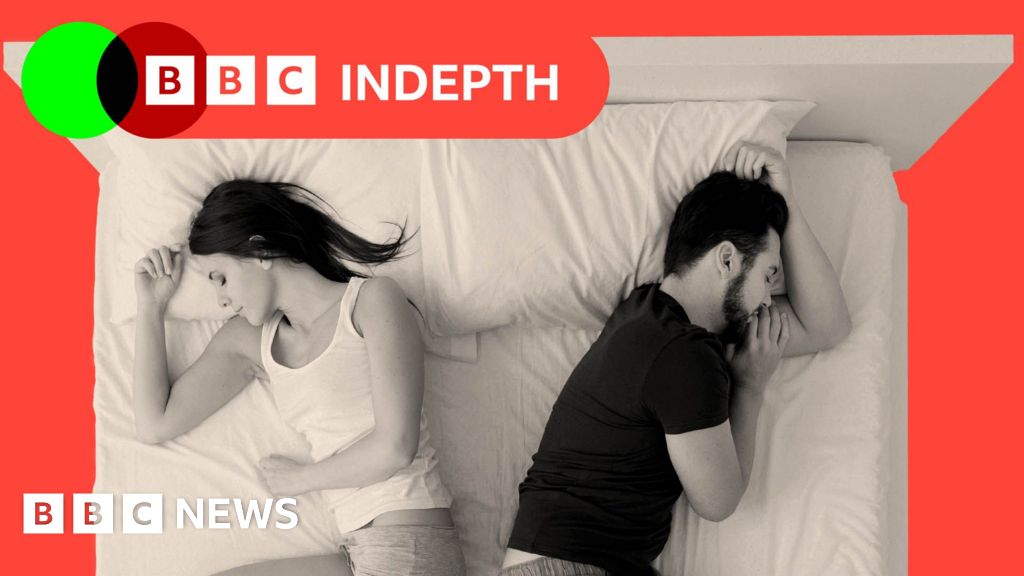
The surge in testosterone prescriptions, a 135% increase between 2021 and 2024 according to NHS data, coincides with a broader decline in sex drive across the UK. The National Surveys of Sexual Attitudes and Lifestyles (Natsal) reveal a steady decrease in sexual frequency, with reported encounters dropping from an average of five times a month in 1990 to three by 2010 for those aged 16 to 44. Researchers anticipate this downward trend to continue, though pinpointing a single cause remains elusive. Amidst this backdrop, a heated debate is unfolding: can testosterone therapy truly reignite libido, or is it largely fueled by hype, profit, and the placebo effect?
Diminishing Sex Drive: A Growing Concern
Alan Reeves’s experience is not an isolated incident. Soazig Clifton, Natsal’s academic director, observes a decline across all demographics. "Over the years, we have noticed a drop across every demographic," she states. While factors like fewer cohabiting couples might contribute, a decrease is evident even within that group. Steep declines have been noted particularly among older, married, or cohabiting couples. Clifton admits the reasons remain unclear: "No data we have so far can really tell us with any confidence why, as a population, we are no longer having sex as much."
Several theories attempt to explain this phenomenon. The pervasive influence of the digital world, offering constant stimulation and endless choices, is a significant contender. Furthermore, escalating stress levels, a marked increase over the past three decades, are also implicated. Dr. Ben Davis, a GP and sex therapist, elaborates, "People have so much going on. There’s tech obviously, but there’s also an increase in stress, depression, loneliness… all of these will add to a reduction in sex drives."

Another increasingly popular, and commercially significant, explanation points to declining testosterone levels. "Testosterone levels in men are definitely reducing," asserts Prof. Geoffrey Hackett, a consultant urologist and member of the British Society for Sexual Medicine (BSSM). He links this to rising obesity, type 2 diabetes, and increasingly sedentary lifestyles, all of which can lower testosterone. While low testosterone increases the likelihood of a diminished libido, Hackett emphasizes that it’s not a universal cause-and-effect. Despite this complexity, advertisements for testosterone checks are ubiquitous, promising solutions for low libido, brain fog, and fatigue.
Testosterone: A Life-Changing Remedy for Some
For Melissa Green, a 43-year-old menopause blogger, testosterone therapy has been nothing short of a miracle. After nearly a year on the treatment, she claims it has not only restored her "zest for life" but also saved her marriage. Her GP had prescribed estrogen and progesterone for perimenopause but refused to test her testosterone, deeming it unnecessary. The NHS, adhering to NICE guidance, recommends testosterone for women only after other HRT trials and the exclusion of all other factors contributing to low sexual desire.

Green eventually sought a private clinic, where blood tests revealed low testosterone levels. Armed with this information, she returned to her GP and now receives some testosterone on the NHS, supplemented by a private prescription. "It’s given me my life back. In some ways, I feel like I’m back in my 20s," she enthuses, reporting increased energy, sharper focus, and a revived sex drive.
However, the experience with testosterone is not universally positive. Cheryl O’Malley, after a year on testosterone, found that while it may have boosted her energy during menopause, it also led to an overwhelming increase in her sex drive and intense feelings of rage. "I was really horny. I wanted to have sex with my husband, but at the same time I hated him," she recounts, feeling out of control. Rachel Mason, a menopause blogger, acknowledges that many women fear the "manly" side effects of testosterone, such as facial hair and voice deepening. While she experiences some increased hair growth on her wrist where she applies the gel, she deems the benefits worth it.
Potential side effects for women include excess hair growth, acne, and weight gain, typically reversible. For men, side effects can encompass weight gain, painful erections, male pattern baldness, and mood swings, alongside a potential impact on fertility due to reduced sperm production.

The "Gravy Train" of Private Clinics
A significant concern raised by some NHS GPs and consultants is the potential for private clinics to exploit the demand for TRT, marketing it as a quick fix for complex issues. Dr. Paula Briggs, an NHS consultant in sexual and reproductive health, labels it a "gravy train," where individuals may spend substantial sums on unnecessary treatments. "The wellbeing industry has created this gap in the market they’re using to their advantage," she states.
Conversely, private clinics argue they are addressing a crucial gap in care that the NHS is failing to meet. Jeff Foster, an NHS GP and medical director at Voy, a men’s health clinic, asserts, "Right now, the NHS is not currently set up to diagnose or treat the thousands of men who may have low testosterone."

Michael Kocsis, whose company Balance My Hormones has offered TRT since 2016, reports exponential growth in demand. He notes that some patients, told by the NHS their testosterone levels are only slightly above the threshold, still find benefit from TRT, suggesting a more nuanced approach is needed.
For men, a gradual decline in testosterone from their thirties is considered a normal aging process by the NHS, typically not impacting libido. Alan Reeves initially received NHS TRT for levels between 10-12nmol/L, but was later informed treatment could not continue, prompting him to seek private care.
The definition of a "healthy" testosterone level varies. BSSM guidelines suggest men below 12nmol/L may be candidates for TRT if symptomatic. NHS guidance often sets the threshold lower, between 6-8nmol/L. For women, testosterone decreases naturally, but its impact on libido and well-being is complex, with no licensed NHS treatments available.

Dr. Briggs expresses caution regarding the TRT buzz, noting a surge in patients requesting testosterone checks based on social media testimonials. "Just because it works for a celeb does not mean it works for the general population," she warns. Many patients receiving TRT privately, she observes, experience minimal benefit. Clinical evidence for women primarily supports TRT for postmenopausal individuals with low libido. Dr. Briggs believes private clinics have "blown everything out of proportion," while acknowledging TRT’s value when genuinely needed.
Dr. Ben Davis also highlights the potential for a placebo effect, where patients may pay for unnecessary private medication. Cheryl O’Malley, having stopped testosterone, reports her intense anger and heightened arousal have subsided, with her libido returning to a comfortable level. "I’m so relieved I stopped taking it," she states.
Not a Silver Bullet: A Holistic Approach

"For some, medication can be really transformative," acknowledges Dr. Davis, "but it is more than just handing out medication." He emphasizes the importance of GPs having adequate time to explore the multifaceted causes of low libido, including relationship dynamics, self-perception, and sexual satisfaction.
Alan Reeves, now on TRT for seven years through a private clinic, credits it with significantly improving his life, restoring his libido and overall well-being. However, he stresses that testosterone is "not a silver bullet" and that lifestyle changes are crucial. "Otherwise, it’s like putting a Ferrari engine in a clapped out car," he advises, asserting that his improved posture is a result of both testosterone and personal effort.




 Nakalama John
 atisusanti
 Ramos Leo
