Roy Suryo
Scotland’s resident doctors are poised to stage their first-ever national strike, a significant escalation in the ongoing dispute over pay. The British Medical Association (BMA) Scotland announced the planned industrial action after a ballot saw an overwhelming 92% of eligible members vote in favour of striking. The walkout is scheduled to commence at 07:00 on Tuesday, January 13, 2026, and will continue until 07:00 on Saturday, January 17, 2026. This historic move marks a turning point, as Scotland has thus far been the only part of the United Kingdom to avoid widespread strike action by National Health Service (NHS) workers.
The BMA Scotland has accused the Scottish government of breaking a commitment made in 2023 to restore resident doctors’ pay to 2008 levels. The union asserts that the government has reneged on an agreement to make "credible progress" towards this goal in each of the three subsequent financial years. This alleged breach of commitment has fueled the anger and frustration among medical professionals, leading to the unprecedented decision to strike.
The ballot results revealed a strong mandate for industrial action. Out of 5,185 eligible resident doctors in Scotland, 58% participated, casting a total of 3,008 votes. The resounding "yes" vote underscores the depth of dissatisfaction within the profession. Despite the ballot outcome, BMA Scotland has expressed a continued belief that a resolution can still be found and has urged the Scottish government to return to the negotiating table with a "credible offer."
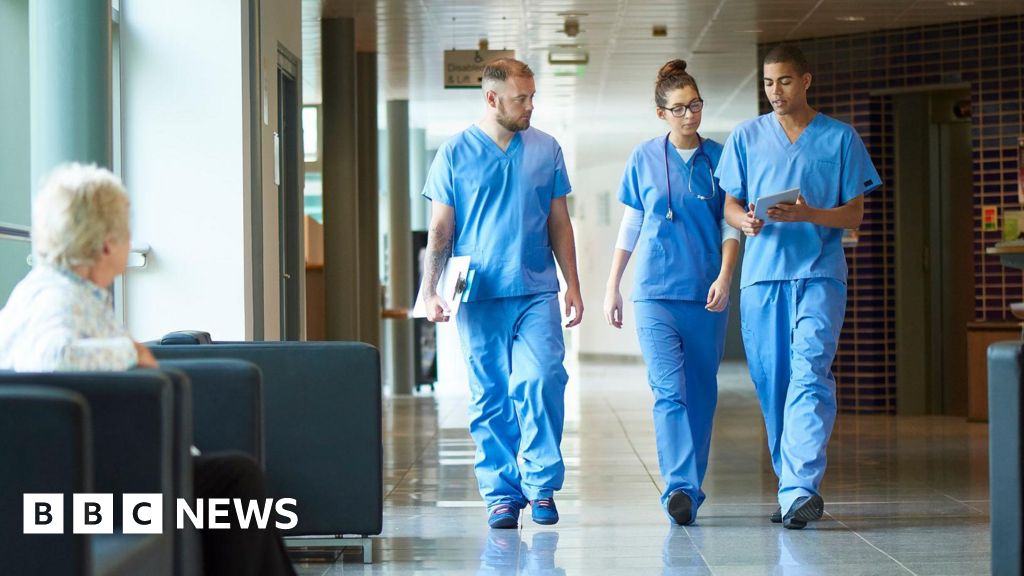
Resident doctors, formerly known as junior doctors, represent a substantial portion of the medical workforce in Scotland, comprising nearly half of all doctors. This group encompasses a wide spectrum of experience, from newly qualified medical graduates to seasoned professionals with over a decade of service. Their role is critical in the day-to-day functioning of the NHS, providing essential care across various specialties and hospital settings.
Health Secretary Neil Gray has expressed his disappointment with the strike ballot outcome. He stated that resident doctors in Scotland have already received a 4.25% pay uplift this year, as part of a two-year agreement, which he noted was the same offer accepted by nurses and other NHS staff. Mr. Gray further highlighted that by 2027, the government will have delivered a cumulative pay rise of 35% over four years. He emphasized that the government’s top priority remains improving waiting times, access to the NHS, and patient outcomes, warning that industrial action would jeopardize this progress.
The decision to strike in Scotland comes in the wake of significant industrial action by resident doctors in England. These strikes have led to the cancellation of thousands of operations and procedures, causing considerable disruption to patient care. A current five-day walkout in England has been met with strong criticism, with Prime Minister Keir Starmer describing it as "dangerous and utterly irresponsible."
A strike in Scotland would represent a major setback for the Scottish government’s ambitious pledge to eliminate long waits for procedures and appointments by March 2026. In an election year, such action would also place immense pressure on an already overstretched NHS, potentially impacting public confidence and the government’s ability to deliver on its healthcare promises.

Dr. Chris Smith, chairman of the BMA resident doctors committee, articulated the rationale behind the strike vote. He stated, "The result of this ballot shows that resident doctors in Scotland are united in anger over the Scottish government breaking the deal they agreed over pay just two years ago." He added, "This is not where we wanted to be. However, we have sent a message loud and clear – the government cannot brazenly renege on its commitments without expecting to be held to account." Dr. Smith criticized the government’s approach, asserting that they have imposed a pay uplift that is the lowest average award received by resident doctors anywhere in the UK, rather than engaging in negotiations to achieve pay restoration as agreed.
Dr. Smith reiterated that the 2023 agreement was the sole reason strike action had been avoided previously and that it was working for both doctors and the health service. He argued that by abandoning this deal, the Scottish government is deliberately provoking a dispute and knowingly putting the NHS in Scotland at risk of disruptive strike action.
He stressed that there is still a window of opportunity to avert the strike. "BMA Scotland resident doctors remain committed to the deal when it is being upheld in its entirety," he stated. He warned that failing to take a stand now, when a commitment has been broken, could embolden the government to repeat such actions in the future, impacting not only pay but also contract negotiations and the provision of training jobs for resident doctors, which are crucial for future medical workforce planning. Dr. Smith concluded by emphasizing the broader implications of the dispute, stating, "This matters not just for doctors, but for patients and for the future of the entire NHS in Scotland, which relies on today’s resident doctors to stay here and become the GPs, specialist doctors and consultants of tomorrow."
The Scottish government’s offer, which has been rejected by resident doctors, proposed a 4.25% pay increase for 2025/26 and a 3.75% increase for 2026/27. This offer is identical to the one accepted by nurses, paramedics, and other NHS staff earlier in the year. However, BMA Scotland contends that this represents the lowest pay award in the UK and falls short of the recommendations made by the independent pay review body. Under the current offer, the basic pay for a newly qualified doctor would rise from £34,500 to £37,345 for the 2026/27 period, and for a doctor with ten years of experience, it would increase from £71,549 to £77,387. It is important to note that these figures represent basic pay, and medics often receive additional payments for working unsociable hours, including night shifts, weekends, and longer working days. The BMA argues that the proposed increases do not adequately address the erosion of pay experienced by resident doctors over many years, which they claim has led to a significant decline in real terms since 2008. This perceived undervaluation of their work, coupled with the demanding nature of their roles and the critical importance of retaining skilled medical professionals within Scotland, has driven the unprecedented move towards industrial action.