
 Nakalama John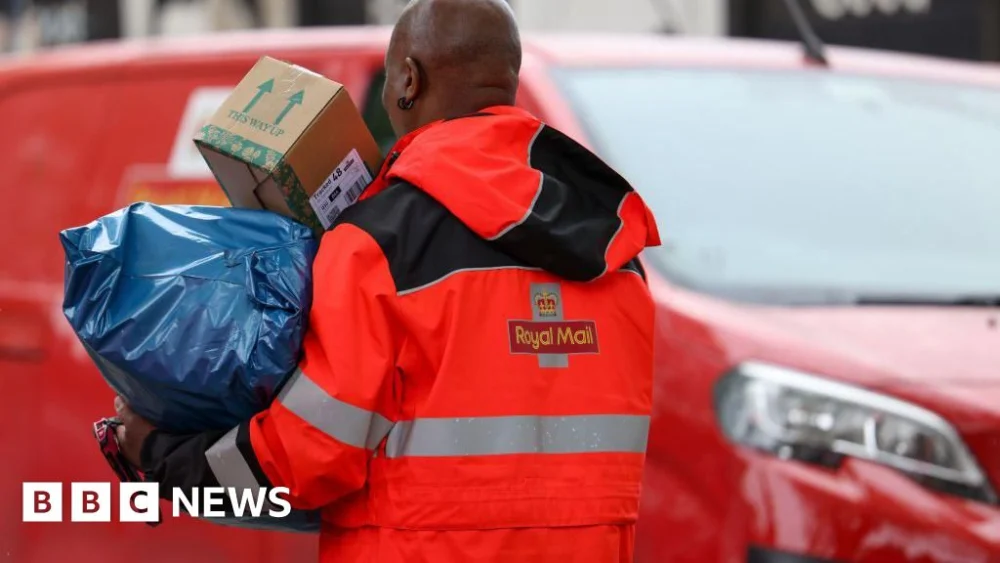
The Business and Trade Committee of Members of Parliament has issued a stern letter to Royal Mail, demanding not only a detailed response within two weeks but also firm commitments to rectify the perceived decline in service quality. Specifically, the committee has set a deadline of March 2nd for Royal Mail to provide "categorical assurance" that parcels are not being prioritised over letters, and to present a comprehensive plan to restore the service to the standards the nation expects.
The core of the allegations, initially reported by the BBC, stems from hundreds of personal accounts from individuals across the UK. These citizens claim to have experienced significant delays in receiving their letters, often observing that parcels arrive more promptly. Many suggest that letters are being deliberately held back and then delivered in large "batches," sometimes weeks after their postmark, rather than being delivered daily as per the traditional service expectation. This perceived disparity in service has sparked considerable public frustration and concern, given the essential nature of letter mail for everything from official documents and medical appointments to personal correspondence.
Further weight was added to these claims by the testimonies of more than a dozen Royal Mail staff members who spoke to the BBC. These employees reportedly corroborated the difficulties within the system, indicating that postal rounds are frequently missed and that even first-class letters can languish in delivery offices for extended periods. Such accounts from within the organisation underscore the systemic nature of the problems being reported by the public.
Liam Byrne, the chair of the Business and Trade Committee, articulated the parliamentary body’s concerns, noting the volume of public feedback. Speaking to BBC Breakfast, he questioned the veracity of the claims regarding parcel prioritisation and letter batching, emphasising the committee’s need for a clear, actionable plan from Royal Mail. "We’re going to need to see a plan on the table now to reassure us that this service is going to be stood back up to what the nation expects," Byrne stated, highlighting the urgency and public interest surrounding the issue. The committee’s letter itself raised "significant concerns" about reports of "failures in service" that it believes extend beyond typical seasonal pressures, suggesting a more fundamental problem.
Royal Mail, for its part, has acknowledged the public’s frustration and the disruption, stating that it will respond to the MPs in detail. The company maintains that it only prioritises parcels in specific circumstances, primarily for health and safety reasons, such as clearing bulky items from sorting offices to ensure a safe working environment. Regarding the perception of "batching," Royal Mail stated that it is normal for customers to receive multiple items at the same time, which can create the impression that mail is being deliberately held back. The company also attributes some current service delays, which it admits affect over 100 postcodes, to recent severe weather conditions (storms) and higher rates of staff illness.
However, these explanations have not entirely assuaged critics or regulatory bodies. The postal regulator, Ofcom, has been closely monitoring Royal Mail’s performance and has already imposed significant penalties. In recent years, Ofcom has fined Royal Mail a substantial £37 million for failing to meet its performance targets for letter deliveries. Following the parliamentary committee’s letter, Ofcom reiterated its expectation for "meaningful change" from Royal Mail. The regulator warned that if such improvements are not forthcoming, "fines are likely to continue," underscoring the serious implications for the company if it fails to address its service deficiencies.
The heart of the matter often revolves around Royal Mail’s status as the Universal Service Provider (USP) for the UK. Under the Universal Service Obligation (USO), Royal Mail is legally bound to deliver letters six days a week to every address in the country, at a uniform price. This obligation is a cornerstone of the UK’s postal system, designed to ensure equitable access to essential communication services regardless of location. The allegations of parcel prioritisation directly challenge this fundamental commitment, raising questions about whether Royal Mail is adequately fulfilling its statutory duties in an era of changing postal demands.
The postal landscape has undergone a dramatic transformation in recent decades. While letter volumes have been in steady decline due due to the rise of digital communication, the explosion of e-commerce has led to a significant surge in parcel traffic. This shift presents a considerable challenge for Royal Mail’s business model, which has historically relied heavily on the consistent revenue from letter mail. The pressure to adapt to these market dynamics while simultaneously upholding the USO is immense. Critics suggest that the alleged prioritisation of parcels might be a strategic response to these economic realities, as parcel delivery is generally a more lucrative and competitive segment of the market. However, any such strategy, if proven, would be in direct conflict with its universal service responsibilities.
The "chaos" described by the Business and Trade Committee has tangible consequences for individuals and businesses across the country. Delayed letters can lead to missed appointments, overdue bills, lapsed subscriptions, and even critical health information arriving too late. For small businesses, particularly those operating in remote areas, reliable postal service is vital for sending invoices, receiving payments, and maintaining client communication. The erosion of trust in the postal system can have broader societal impacts, particularly for vulnerable populations who may rely more heavily on traditional mail.
The parliamentary inquiry and Ofcom’s continued oversight signal a critical juncture for Royal Mail. The company’s response to the Business and Trade Committee by March 2nd will be pivotal. It will need to demonstrate not only a clear understanding of the gravity of the situation but also a credible and robust plan to address the root causes of the reported delays and alleged prioritisation. Failure to do so could lead to further regulatory action, increased public dissatisfaction, and potentially a broader re-evaluation of its universal service obligations and operational model. The outcome will undoubtedly shape the future of postal services in the UK, impacting millions of citizens and thousands of businesses who depend on a reliable and equitable mail delivery system.



 atisusanti
 Nana Banana
 George Anjay

 Ramos Leo