Nana Banana
The IPBES report underscores that the prosperity and even survival of businesses are inextricably linked to the health of ecosystems. Co-author Matt Jones, from the UN World Conservation Monitoring Centre in Cambridge, articulated the stark choice facing the corporate world: businesses can either champion the cause of nature restoration or "ultimately risk extinction… both of species in nature, but potentially also their own." This is not merely an environmental plea but a strategic economic imperative.
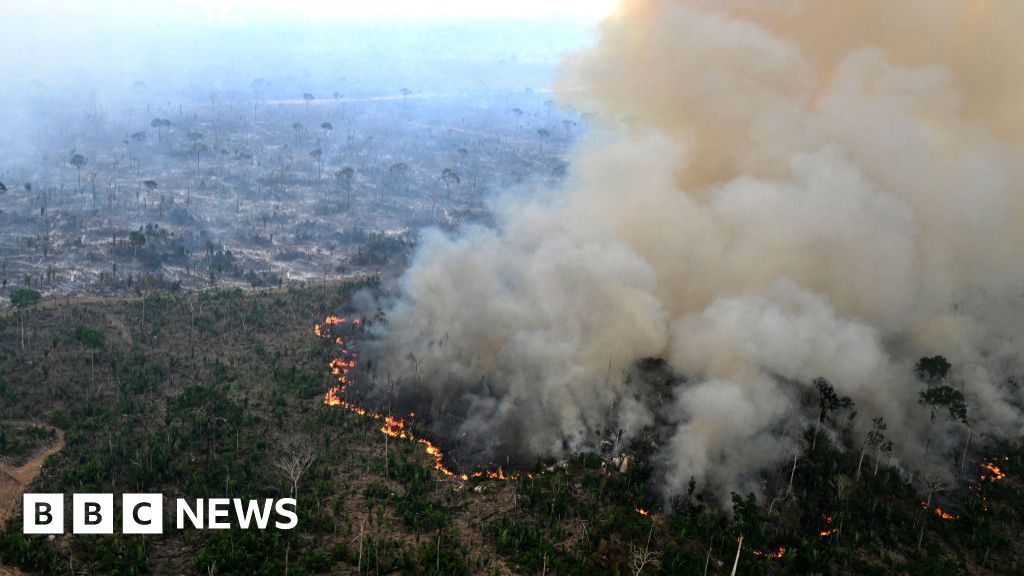
Every business, regardless of its apparent distance from nature, relies on a myriad of ecosystem services that the natural world provides for free. These essential services include the purification of water, the creation of fertile soils for agriculture, the pollination of crops by insects, climate regulation through carbon sequestration, and the provision of raw materials vital for production. When these services degrade, businesses face tangible risks: disrupted supply chains, increased operational costs due to resource scarcity or the need for artificial replacements, regulatory pressures, reputational damage among increasingly conscious consumers and investors, and a potential loss of their social license to operate. The depletion of natural capital, therefore, directly impacts economic stability and long-term viability.
Prof. Stephen Polasky, a co-chair of the IPBES assessment, highlighted a critical paradox: "the loss of biodiversity is among the most serious threats to business, yet the twisted reality is that it often seems more profitable to businesses to degrade biodiversity than to protect it." This short-sighted profitability stems from a systemic failure to adequately price environmental externalities. The costs of pollution, deforestation, habitat destruction, and resource overexploitation are often externalized – borne by society or future generations rather than the businesses responsible. Without proper valuation of natural assets and services, and without robust regulations and incentives, businesses continue to operate within a framework that inadvertently rewards destructive practices.
The report calls for a profound systemic shift, demanding that governments implement policies that internalize these costs, offer financial incentives for sustainable practices, and establish clear accounting standards that reflect nature’s value. This would level the playing field, making nature-positive investments economically attractive.
In the UK, the urgency of this message resonates deeply. The country has witnessed alarming rates of biodiversity loss, with numerous species in decline and significant degradation of habitats. For many UK businesses, engagement with nature protection has evolved from being a "nice-to-do" corporate social responsibility initiative to an absolute "must-do." Leigh Morris, International Director of The Wildlife Trusts, a consortium of UK wildlife charities, emphasized the need for "clear metrics and toolkits so businesses can get their own houses in order on biodiversity." This includes the development and adoption of standardized frameworks like the Taskforce on Nature-related Financial Disclosures (TNFD) and Science-Based Targets for Nature (SBTN), which enable companies to assess, report, and act on their nature-related risks, impacts, and dependencies with transparency and accountability.
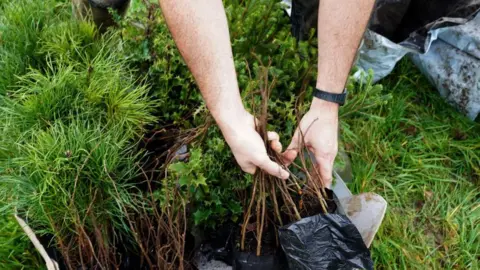
The shift towards restorative approaches involves a spectrum of actions. This includes adopting circular economy principles to minimize waste and resource extraction, implementing sustainable sourcing practices across supply chains, investing in nature-based solutions for infrastructure and climate resilience, and striving for biodiversity net gain in all development projects.
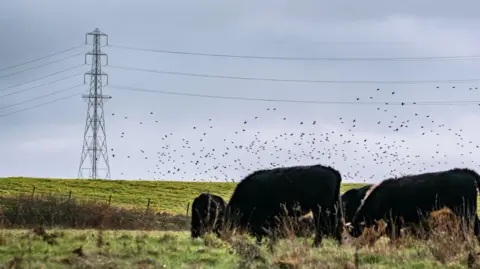
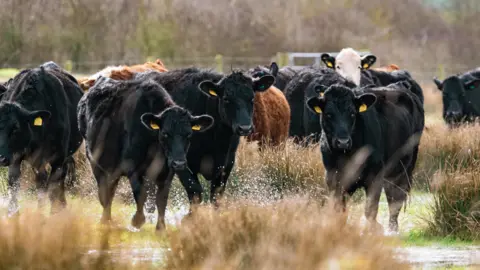
A compelling example of businesses and nature working in harmony can be found at Steart Marshes in Somerset, a pioneering project managed by the Wildfowl and Wetlands Trust (WWT). Here, farmers and conservationists collaborate to manage land in ways that mutually benefit both wildlife and agriculture. Dark-coloured cattle are grazed across the expansive saltmarshes, not just for beef production, but as an integral part of habitat management. Local farmer Andy Darch explains how the animals are vital for conservation: "They are eating different types of grasses and trampling areas that are important for wildlife." This creates a varied sward height and structure, benefiting a diverse array of species, from wading birds like avocets and redshanks to various insects and plants. Crucially, Darch notes, "because they are eating such a variety of plants, it produces a really high-quality beef at the end of the day," demonstrating a direct economic return from ecologically sound practices.
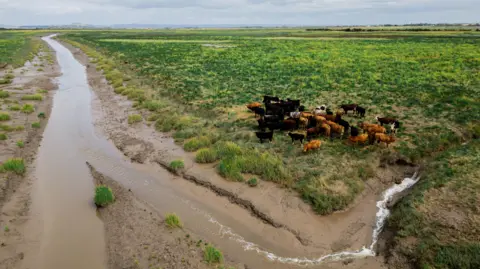
Steart Marshes exemplifies how restoring nature yields multifaceted benefits for local communities and the wider economy. Beyond creating rich habitats for wildlife, the newly engineered flood banks provide crucial protection for nearby villages from rising sea levels and storm surges, a critical climate adaptation measure. The extensive wetlands act as natural carbon sinks, absorbing atmospheric carbon dioxide, and also serve as natural filtration systems, helping to reduce pollution entering waterways. Alys Laver, from the WWT, underscores this integrated approach: "Not only are those flood banks an engineering marvel, they’re providing flood protection for the local villages. On the back of that we’re getting a product the farmers can utilise. So it’s not a loss of farming, it’s just a change." This holistic model transforms potential conflict into synergistic benefit, where ecological health underpins economic resilience.
The IPBES report critically highlights several "everyday incentives" that continue to drive nature’s decline, often inadvertently. These include agricultural subsidies that historically favoured intensive farming practices, leading to monocultures and pesticide use that decimate insect populations and soil health. Inadequate or unenforced environmental regulations can allow industries to pollute or over-extract resources without consequence. Consumer demand for cheap goods often pressures supply chains into unsustainable practices, from rapid deforestation for commodities like palm oil and soy to destructive fishing methods. Furthermore, a prevailing short-term profit focus within financial markets often prioritizes immediate returns over long-term ecological sustainability, failing to account for the depreciation of natural capital. These perverse incentives embed a system where environmental degradation appears economically rational, perpetuating a cycle of decline.
Despite the escalating risks, the report reveals a stark gap in corporate accountability: less than 1% of publicly reporting companies currently mention their impacts on biodiversity in their financial reports. This lack of transparency is a significant impediment to progress, preventing investors, consumers, and regulators from making informed decisions and holding businesses accountable for their environmental footprints. However, the tide is turning. Growing pressure from institutional investors, the development of nature-related disclosure frameworks, and emerging regulatory requirements are pushing biodiversity higher up the corporate agenda.
The IPBES report serves as an urgent call to action, emphasizing that stewardship of nature is not a peripheral environmental concern but a fundamental challenge that must be addressed in every boardroom and integrated into core business strategies. For businesses to thrive in the 21st century, they must recognize their deep dependency on a healthy natural world and actively transition towards regenerative models. The future of global commerce, and indeed humanity, hinges on this paradigm shift, transforming the perceived "cost" of protecting nature into an essential investment in long-term resilience and shared prosperity.




 Roy Suryo
 George Anjay
 Ramos Leo
 atisusanti