Ramos Leo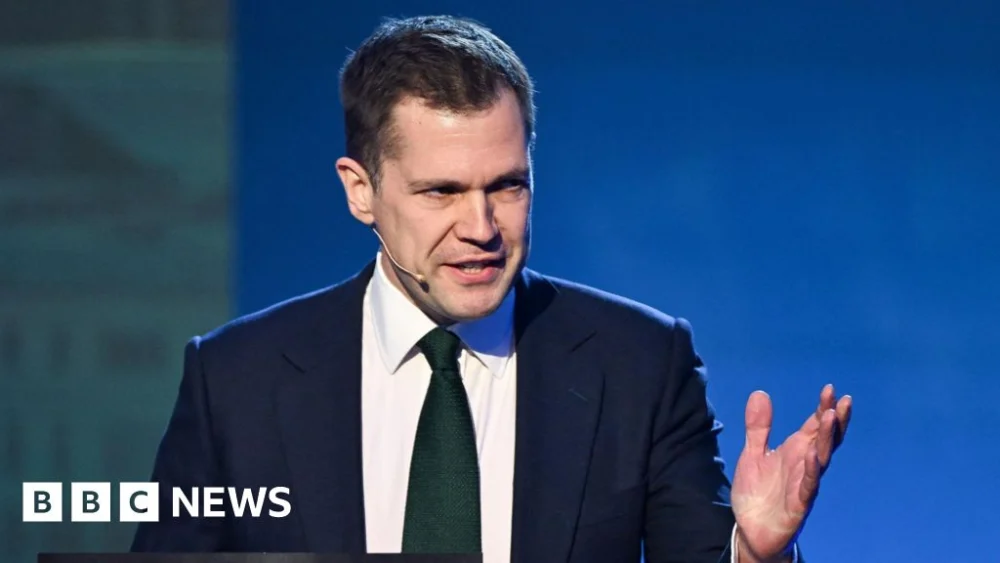
Jenrick’s transition to Reform UK and his subsequent elevation to shadow chancellor represents a dramatic shift in his political career, which had previously been rooted firmly within the Conservative Party. His defection was seen by many political observers as a potent symbol of the deep ideological fractures currently plaguing the Tories, with a growing number of traditional right-wing figures expressing disillusionment with the party’s direction. His appointment lends a degree of establishment credibility to Reform UK’s economic platform, given his extensive background in government. Before joining Reform, Jenrick held several significant ministerial positions, including Housing Secretary, and served in junior roles within the Home Office and the Department of Health. Crucially, he also gained valuable experience at the Treasury as Exchequer Secretary under former Prime Minister Theresa May, a role that involved overseeing aspects of the UK’s public finances and tax policy. This Treasury experience is particularly pertinent to his new role as shadow chancellor, providing him with a detailed understanding of the machinery of government finance and the challenges inherent in economic management. His public pronouncements suggest a commitment to a fiscally conservative approach, emphasizing efficiency, lower public spending, and a streamlined state.
The announcement of Jenrick’s appointment was part of a broader unveiling of Reform UK’s new "shadow cabinet," a move designed to demonstrate the party’s readiness to govern and to project an image of a fully-formed political entity. Alongside Jenrick, another prominent recent defector from the Conservative ranks, Suella Braverman, was handed the crucial education and skills brief. Braverman, known for her strong conservative views and her previous controversial tenure as Home Secretary, is expected to champion policies that reflect Reform UK’s emphasis on traditional values and a robust approach to educational standards and vocational training. Her appointment signals Reform’s intent to engage deeply with issues of national identity, curriculum content, and the perceived decline in educational outcomes, potentially advocating for reforms that prioritize core subjects and discipline.
Meanwhile, Richard Tice, who has served as Reform UK’s deputy leader, was assigned a new, consolidated role encompassing business, trade, and energy policy. This expanded portfolio underscores the party’s focus on economic growth, post-Brexit trade opportunities, and a re-evaluation of current energy strategies. Tice’s brief suggests Reform UK will push for policies that support domestic businesses, potentially advocate for more aggressive free trade agreements outside the EU, and review the UK’s net-zero commitments, possibly favouring a more diverse energy mix that includes conventional sources to ensure energy security and affordability. The combined nature of his role highlights the interconnectedness Reform UK sees between these critical economic sectors.
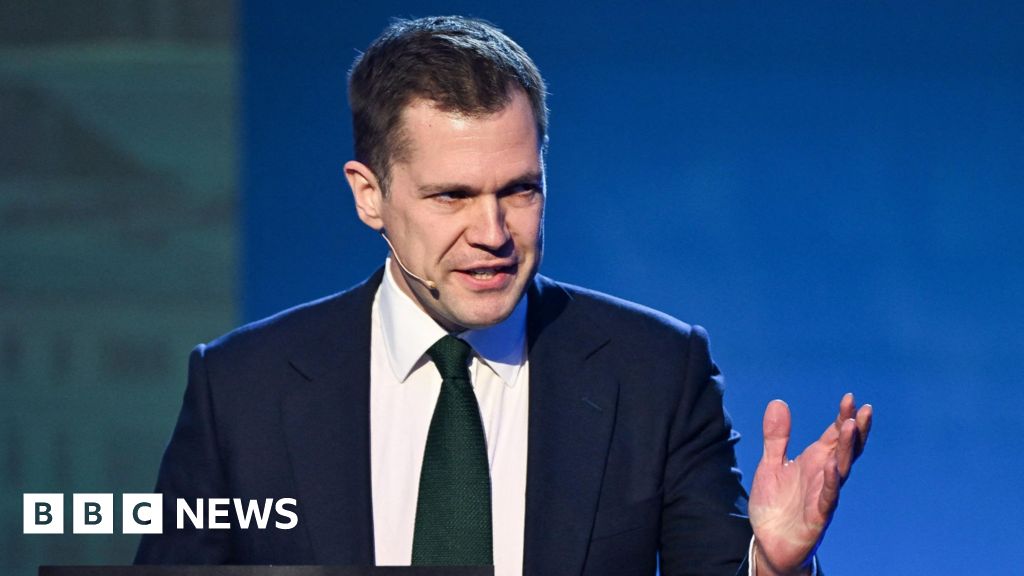
In announcing his new top team, which he deliberately branded a "shadow cabinet," Nigel Farage asserted Reform UK’s growing influence and its self-proclaimed status as "the voice of opposition" to the current Labour government. This declaration is a direct challenge to the traditional parliamentary order, where the party with the largest number of MPs behind the ruling government is officially designated as the opposition and forms a shadow cabinet to scrutinize government ministers. Currently, that role is held by the Conservative Party. However, Farage’s audacious claim is underpinned by Reform UK’s remarkable surge in national opinion polls. The party has consistently outpolled the Conservatives since last spring, a trend that has profoundly reshaped the British political landscape and fueled Reform’s ambition.
Farage articulated that with Reform UK consistently leading in national surveys, it was time to "broaden the party" and strategically place key figures in "shadow positions." This move is a clear attempt to professionalize Reform UK’s image, move beyond its perception as a single-issue protest party, and present itself as a serious contender for power. By appointing experienced former ministers like Jenrick and Braverman, Reform UK aims to counter criticisms of lacking depth or governmental experience, showcasing a team capable of formulating and implementing policy. The creation of a shadow cabinet, even an unofficial one, signals to voters that Reform UK is not just campaigning to influence policy from the sidelines, but is actively preparing to take the reins of government. It also intensifies the pressure on the beleaguered Conservative Party, whose claim to be the official opposition is being increasingly challenged by Reform’s electoral ascendancy.
Robert Jenrick’s political journey provides a rich backdrop to his new role. Before his defection, he was a prominent figure within the Conservative Party, serving as the Member of Parliament for Newark since 2014. His ministerial career began under Theresa May, where his stint as Exchequer Secretary to the Treasury gave him direct exposure to the complexities of fiscal policy. Under Boris Johnson, he rose to become Secretary of State for Housing, Communities and Local Government, a significant cabinet position where he oversaw major policy initiatives related to housing, planning, and local government funding. His tenure included navigating challenging issues such as building safety post-Grenfell and the ongoing housing crisis. Later, he also held roles in the Home Office and the Department of Health and Social Care, giving him a broad understanding of public service delivery and expenditure across various government departments. This varied experience equips him with a holistic perspective on the financial demands and operational realities of government, which he now intends to apply to Reform UK’s economic vision. His experience in scrutinizing departmental budgets and understanding public sector efficiency will be crucial as he champions Reform’s commitment to "cut waste."
Reform UK’s stated economic goals, as articulated by Jenrick, offer a glimpse into their proposed policy framework. The promise to "restore stability to the economy" implies a critique of the current economic management, likely pointing to issues such as inflation, high national debt, and perceived government overspending. Jenrick’s plan would presumably involve a disciplined approach to public finances, aiming to reduce borrowing and bring down debt levels through spending cuts rather than tax increases. The commitment to "cut waste" is a common theme for parties advocating fiscal conservatism and would likely target areas of perceived inefficiency in the public sector, such as civil service numbers, bureaucratic overheads, and non-essential government projects. Reform UK would likely commission thorough spending reviews to identify such areas, aiming to redirect funds more effectively or return savings to taxpayers.
The pledge to "bring down the benefits bill" suggests a significant overhaul of the welfare system. This could involve stricter eligibility criteria, increased conditionality for receiving benefits, and reforms aimed at incentivizing work. Such policies would align with a broader philosophy of reducing dependency on the state and promoting individual responsibility, a core tenet of Reform UK’s ideology. Finally, the promise to "reduce taxes" would be a cornerstone of their economic appeal. While specific taxes were not mentioned, right-leaning parties often advocate for cuts to income tax, corporation tax, and potentially other levies like inheritance tax, arguing that lower taxes stimulate economic growth, encourage investment, and leave more money in the pockets of hardworking individuals. Funding such cuts would depend heavily on the success of their proposed waste reductions and welfare reforms, requiring a credible plan for balancing the national budget without incurring further debt.
The political significance of these appointments cannot be overstated. By attracting high-calibre, albeit controversial, figures like Jenrick and Braverman, Reform UK is signaling its intent to move beyond being merely a protest vote. It is actively constructing a team that, on paper, possesses the governmental experience and policy gravitas to challenge the established parties directly. This strategy aims to solidify Reform UK’s position as a major force in British politics, potentially splitting the right-wing vote in a general election and further eroding the Conservative Party’s electoral base. The timing, ahead of an anticipated general election, is designed to give the public time to become accustomed to Reform UK’s leadership team and policy proposals, framing them not just as critics, but as a government-in-waiting. As the political landscape continues to shift dramatically, Reform UK’s calculated move to build a "shadow cabinet" under Nigel Farage’s leadership, featuring prominent defectors like Robert Jenrick and Suella Braverman, represents a profound challenge to the traditional two-party dominance and sets the stage for a highly unpredictable electoral contest.



 Roy Suryo

 Nakalama John
 atisusanti