
 Roy Suryo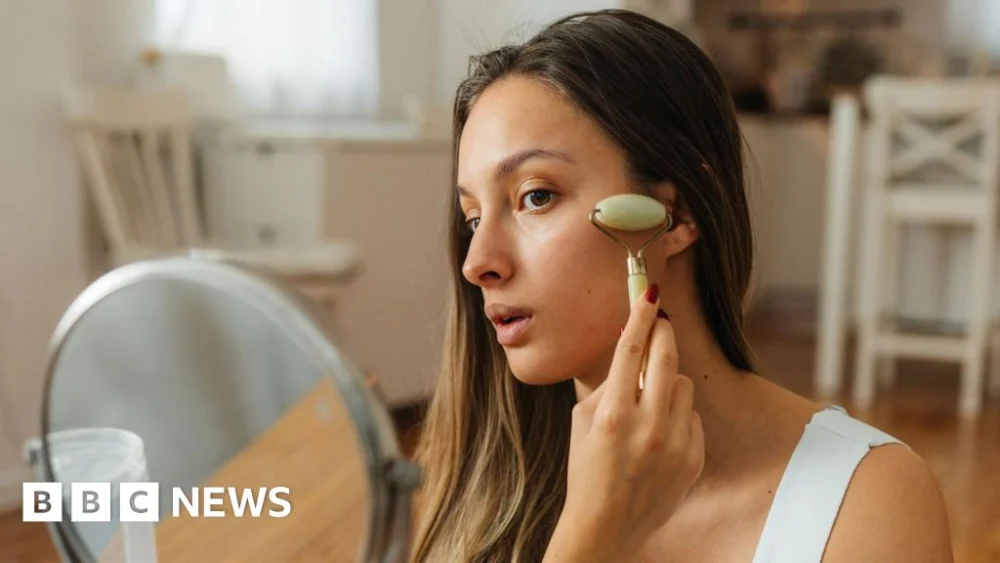
In the relentless scroll of social media, a parade of quick-fix beauty hacks marches across our screens, promising to banish facial puffiness in mere minutes. From the invigorating shock of plunging one’s face into icy water to the rhythmic glide of frozen tools across our cheeks, these techniques appear remarkably effective on camera. However, seasoned dermatologists offer a dose of reality, suggesting that many of these viral trends are often misunderstood, significantly overhyped, and at best, offer only fleeting results.
Dr. Aiza Jamil, a consultant dermatologist, explains that facial puffiness is typically a manifestation of fluid retention, commonly triggered by a range of lifestyle factors. High salt and alcohol consumption, allergic reactions, and insufficient sleep are frequent culprits. Dr. Tina Tian, also a consultant dermatologist, categorizes most of these popular online remedies into three primary mechanisms: cold exposure, massage, and temporary tightening effects. While she acknowledges that these methods can "genuinely reduce visible swelling and provide relief," she emphasizes that "the key word is temporary – they won’t permanently change facial structure."
So, what truly aids in reducing facial puffiness, and where does myth begin to overshadow miracle? Let’s delve into the scientific and practical realities of three commonly promoted treatments.
1. The Chilling Effect: Cold Therapy’s True Impact
The allure of the "ice facial" has transformed it into a near-universal rite of passage for social media users, blending the perceived benefits of beauty with a test of endurance. The act of hovering over a sink, contemplating a full facial immersion in ice water, is a familiar dilemma for many. Dr. Tian illuminates the underlying principle: "cold exposure causes blood vessels to constrict, which can reduce swelling." This scientific basis explains the popularity of ice facials, cryo globes, and refrigerated sheet masks. However, Dr. Tian points out that achieving these benefits doesn’t necessitate a dramatic plunge. A simple chilled compress or even a brisk splash of cold water can yield similar results.
Dr. Jamil concurs, noting that cold therapy can impart a "slightly tighter, fresher appearance, particularly in the morning." Yet, she cautions that these effects are transient, lasting "hours rather than days." A critical balance exists between refreshing the skin and causing harm. Dr. Tian warns, "very aggressive ice exposure can irritate sensitive skin or trigger rosacea, so keep it gentle." This underscores the importance of moderation and awareness of individual skin sensitivities.
2. The Sculpting Sensation: Facial Rollers and Gua Sha’s Potential
Once confined to the exclusive realms of high-end spas, facial rollers and gua sha stones have now become ubiquitous in bathroom cabinets worldwide. Marketed as tools for sculpting and contouring, they have cultivated a reputation for their lifting and defining capabilities. However, Dr. Jamil clarifies that these tools "do not permanently tighten skin, change skin structure, or remove fat." Instead, she advocates for viewing them as "soothing tools."

Despite their limitations in permanent change, these implements can indeed offer temporary relief from facial puffiness. Dr. Tian explains, "A gentle massage encourages lymphatic drainage and reduces fluid pooling if used regularly." The act of rolling or gliding these tools across the skin aids in moving stagnant lymphatic fluid away from the face and towards the lymph nodes, where it can be naturally eliminated. To amplify these effects, many individuals opt to keep their facial rollers and gua sha stones chilled in the refrigerator. While the practice is generally safe, Dr. Tian issues a word of caution: "too much pressure can cause bruising or broken capillaries, so be gentle." The key lies in mindful application, ensuring the pressure is supportive rather than damaging.
3. The Wake-Up Call: Caffeine Creams and Their Efficacy
Caffeine-infused eye creams have achieved widespread visibility, lauded by influencers, prominently displayed in skincare aisles, and featured in countless "morning routine" videos as an instant solution for tired-looking eyes. The delicate skin surrounding the eyes is particularly susceptible to swelling due to its propensity for fluid accumulation.

In contrast to many fleeting beauty trends, Dr. Tian notes that caffeine creams possess a degree of scientific backing. "Caffeine is a mild vasoconstrictor [narrows blood vessels], so caffeine-containing eye creams can genuinely reduce puffiness," she states. Caffeine’s ability to temporarily constrict blood vessels leads to reduced dilation and, consequently, less visible swelling. Dr. Jamil adds that caffeine can also assist in "reducing fluid retention and some under-eye darkness." For optimal results when using an eye cream, Dr. Tian recommends seeking out formulations that include hydrating ingredients to support overall skin health. She also suggests enhancing the cooling effect by refrigerating the cream or even "applying it with the back of a cold spoon."
DIY alternatives, such as employing a chilled spoon or applying cold tea bags, follow a similar principle, working "by temporarily reducing swelling and soothing skin," according to Dr. Jamil. Dr. Tian agrees, acknowledging that while these methods are effective, they "can provide a lesser effect" compared to dedicated products.
Ultimately, while caffeine eye cream can be a helpful adjunct in managing puffiness, addressing the root cause remains paramount. Dr. Tian advises, "Reduce evening salt and alcohol, treat allergies properly, prioritise sleep and slightly elevate your head at night." For the majority of individuals, facial puffiness is not indicative of a serious medical condition and tends to resolve on its own. However, Dr. Tian emphasizes the importance of medical consultation if puffiness is "persistent, worsening, painful, or associated with other symptoms such as breathlessness or swelling elsewhere in the body." In such cases, a professional medical assessment is crucial to rule out any underlying health concerns.




 Nakalama John
 atisusanti
 Ramos Leo
