
 Ramos Leo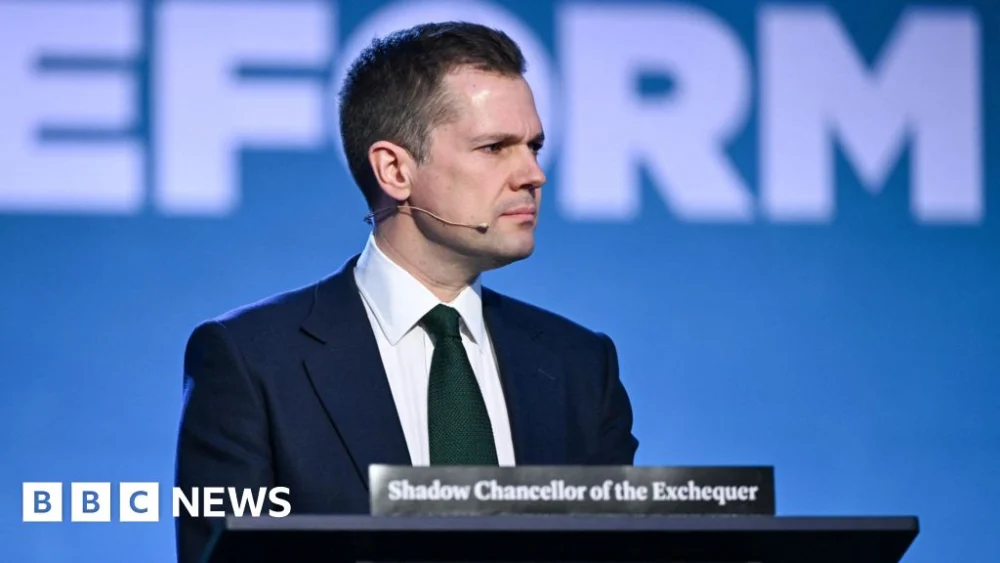
The decision to back the OBR represents a crucial step for Reform UK in solidifying its economic credibility. Just last January, Nigel Farage, in an interview with The Telegraph, had openly "questioned the need" for the OBR, going so far as to accuse the body of "effectively dictating to elected politicians what they should or should not do." This sentiment was echoed by Reform UK deputy leader Richard Tice, who told Politico that the watchdog was "literally telling the government how to run its policy." Such criticisms aligned with a broader anti-establishment narrative often associated with Reform UK, portraying independent bodies as overstepping their remit and impinging on democratic decision-making. However, the prospect of abolishing an institution widely seen as a guarantor of fiscal transparency and discipline had raised eyebrows among economists and investors, potentially signaling a return to the kind of unverified financial forecasts that characterized previous eras.
The OBR, established in 2010 by the then-Chancellor George Osborne, plays a pivotal role in the UK’s economic landscape. Its primary function is to provide independent and authoritative analysis of the UK’s public finances and the economy. It produces detailed forecasts for the economy and the government’s spending and revenue plans, typically released alongside major financial events like the autumn Budget and spring Statement. The OBR’s independence from government is fundamental to its credibility, aiming to prevent political manipulation of economic figures. Before its creation, successive governments were often accused of presenting overly optimistic or even misleading economic projections, leading to a lack of trust and fiscal instability. The OBR was designed to put an end to this practice, ensuring that governments are held accountable for their financial plans against a backdrop of unbiased expert analysis. Its forecasts are critical not only for informing public debate but also for guiding government policy, particularly in adherence to self-imposed fiscal rules.
In a speech anticipated to be delivered in the City of London, Jenrick will acknowledge the OBR’s imperfections but firmly endorse its foundational purpose. "The OBR is far from perfect," Jenrick is expected to state, "But the impetus for its creation was a desire to instill fiscal discipline, and that is something we wholeheartedly endorse." This statement signals Reform UK’s commitment to responsible public finances, a key message as the party seeks to broaden its appeal beyond its traditional base. Rather than outright abolition, Jenrick’s proposal centers on reforming the OBR. This reform would aim to "break up this cosy consensus" and ensure "diversity of opinion" within the body. While specific details remain to be fully elaborated, this could imply bringing in a wider range of economic perspectives, potentially challenging the dominant orthodoxies, and ensuring that various schools of thought are represented in its forecasting models. Furthermore, Jenrick’s plan to run "competitions for superforecasters to join the body and pay competitive salaries to those who most accurately model the impact of Treasury decisions" suggests a desire for a more agile, meritocratic, and performance-driven institution, focused on accuracy and real-world impact. This approach seeks to enhance the OBR’s analytical capabilities while simultaneously addressing past criticisms of its perceived insularity. Jenrick’s assertion that his party would be "happy to have our homework marked" by the OBR marks a significant tonal shift from Farage’s earlier stance, signaling a willingness to engage with independent scrutiny rather than dismiss it.
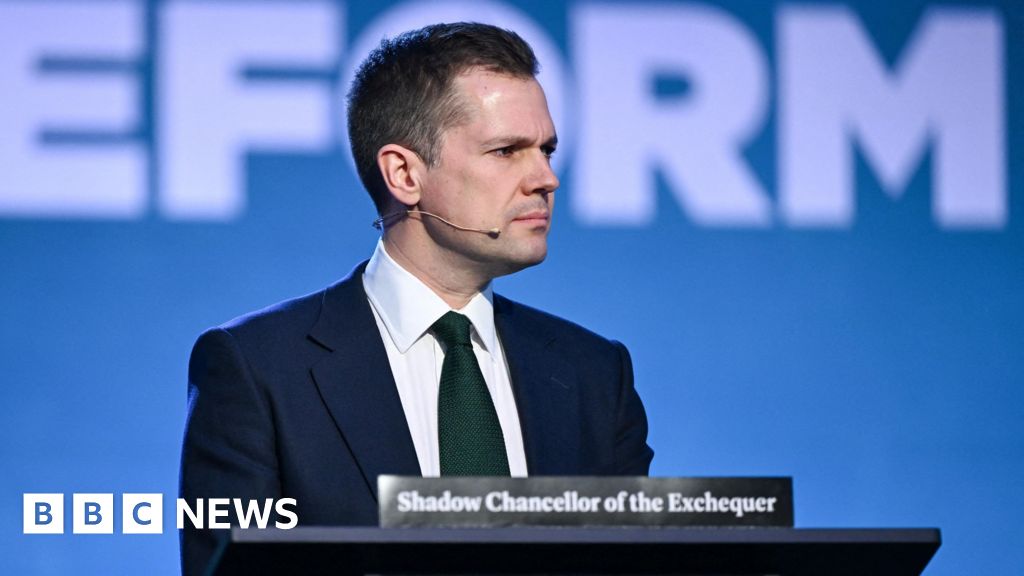
Beyond the OBR, Jenrick’s speech will also address the independence of the Bank of England, an institution critical for maintaining monetary stability. The Bank of England is responsible for setting interest rates and managing inflation, and its independence from political interference is widely considered essential for effective monetary policy. Jenrick will defend this independence, recognizing its role as a "force for stability." However, his endorsement comes with notable criticisms. He is expected to fault the Bank for "taking its eye off the ball on inflation," a common accusation from critics who argue the Bank was slow to react to rising price pressures in recent years. Furthermore, Jenrick will promise to strip the Bank of "distractions" such as its role in lowering carbon emissions. This reflects a view held by many within Reform UK and some conservative circles that the Bank’s mandate has become too broad, diverting its focus from its primary objective of maintaining price stability. By narrowing its remit, Reform UK aims to ensure the Bank is solely focused on its core function: "Our interest will always be keeping inflation low because that is how we will keep people’s bills down," Jenrick will emphasize, aligning with a public sentiment deeply concerned about the cost of living crisis.
This comprehensive economic address comes just a day after Robert Jenrick was formally announced as Reform UK’s pick for Chancellor of the Exchequer, should the party win power. Jenrick, a former Conservative minister who served in various high-profile roles including Secretary of State for Housing, Communities and Local Government, brings significant governmental experience to Reform UK’s front bench. His defection from the Conservative Party last month, after reportedly being sacked as Kemi Badenoch’s shadow justice secretary for plotting to join Reform, sent shockwaves through Westminster. His appointment as economic spokesman is seen as a strategic move to lend weight and credibility to Reform UK’s economic platform, given his background and familiarity with the inner workings of government and financial markets.
The increasing scrutiny of Reform UK’s economic plans is a direct consequence of its unprecedented rise in national opinion polls, where it has consistently outpolled the Conservatives. This surge has compelled the party to move beyond broad populist slogans and articulate more detailed and credible policy positions. The previous instance of Nigel Farage rowing back on Reform’s promise to deliver £90bn a year in tax cuts, which was met with skepticism and concerns about fiscal responsibility, underscored the necessity for a more robust and market-friendly economic agenda. Jenrick’s speech is therefore a calculated attempt to signal to investors, businesses, and the wider electorate that Reform UK can be trusted with the management of public finances and the overall economy.
Predictably, Jenrick’s speech and Reform UK’s shifting stance have drawn sharp criticism from rival parties. Dan Tomlinson MP, Labour’s Exchequer Secretary to the Treasury, highlighted Jenrick’s past. Tomlinson noted that Jenrick had "long-lambasted the OBR" and had notably backed former Prime Minister Liz Truss’s "disastrous mini-Budget which triggered an economic meltdown." Tomlinson asserted, "Jenrick and his former Tory Party smashed family finances and he’d do the same again through Reform," attempting to link Jenrick’s current proposals to past economic instability. Similarly, Conservative Shadow Chancellor Sir Mel Stride accused Reform UK of being "in chaos" regarding its OBR plans. "Just last month Farage was saying he was looking at abolishing the OBR," Sir Mel pointed out, adding, "It’s the same old story with Reform – say one thing, then row back as soon as questions are asked. They have no plan and no principles." These reactions underscore the highly politicized nature of economic policy and the fierce battle for credibility among the UK’s leading political parties as a general election looms. The BBC has reached out to both the Bank of England and the OBR for their comments on these latest developments, but their independent nature often means they refrain from commenting on political pronouncements.



 Roy Suryo

 Nakalama John
 atisusanti
