Ramos Leo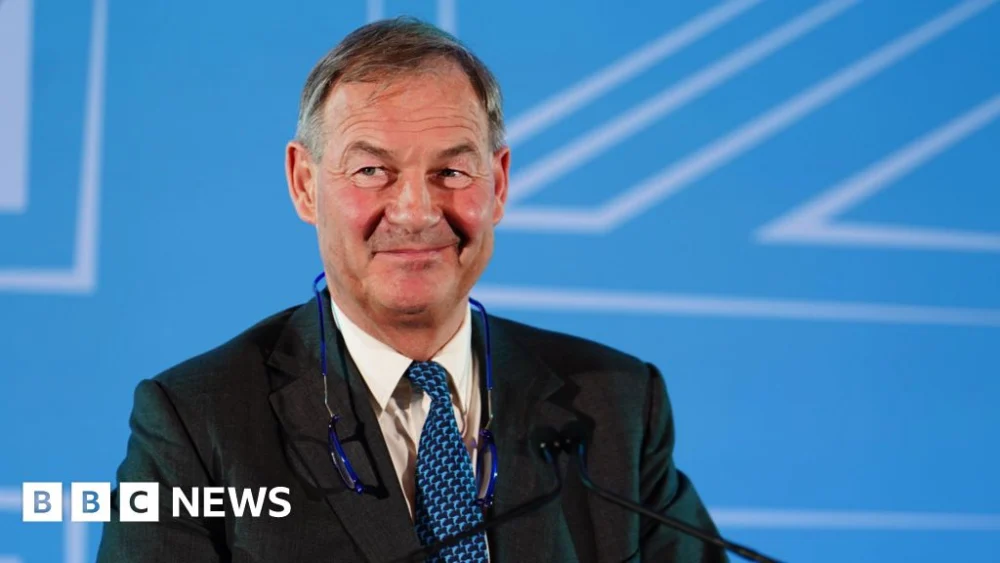
Seven former Reform UK councillors on Kent County Council have officially united under a new political banner, forming an inaugural group for Restore Britain. This significant realignment within local politics sees the creation of a distinct force on the council, spearheaded by Rupert Lowe, who himself was previously suspended from Reform UK. The move marks a fresh chapter for the involved councillors and signals the ambitions of Restore Britain to carve out a unique space within the right-leaning political spectrum.
The councillors who have joined Restore Britain are Maxine Fothergill, Robert Ford, Paul Thomas, Dean Burns, Isabella Kemp, Brian Black, and Oliver Bradshaw. Their collective defection from Reform UK, or rather, their re-grouping following expulsions, represents a notable shift in the composition of Kent County Council’s non-mainstream political representation. A crucial detail underlying this development is that six of these seven individuals had previously been expelled from Reform UK last year. This history of disciplinary action adds a layer of complexity and potential animosity to the narrative surrounding their new affiliation.
Reform UK, not mincing words, reacted sharply to the news. A source from the party dismissed the new group with scathing remarks, stating, "Restore are welcome to our dregs. Let’s not forget that six of these councillors were expelled." The comment unequivocally positions the departing members as undesirable, implying that their expulsion was justified and their loss is not a detriment to Reform UK. The source further intensified their criticism, adding, "If this is Restore’s bar for councillors then it must be very low indeed." These statements reveal a clear strategy from Reform UK to de-legitimise Restore Britain’s new group, painting them as a collection of politically unviable individuals rather than a genuine threat or a loss of valuable talent. Such rhetoric often serves to mitigate perceived internal strife and project an image of party unity and principled decision-making, even in the face of defections.
The architect behind Restore Britain is Rupert Lowe, a figure with a notable past in both politics and sports, having previously served as chairman of Southampton Football Club. Lowe’s journey to forming Restore Britain began after his own suspension from Reform UK. While the specific reasons for his suspension were not detailed in the initial reports, such actions typically stem from disagreements over party policy, conduct, or a perceived failure to adhere to the party line. Serving as an independent councillor following his suspension, Lowe evidently identified a void or dissatisfaction that he believed he could address. He initially established Restore Britain as a political movement, a platform designed to articulate specific viewpoints and gather support without the formal structure of a party. However, with the joining of these seven Kent County Councillors, Restore Britain is now poised to evolve into a fully-fledged "umbrella political party." This transition signifies a more ambitious and structured approach, allowing the group to formally contest elections, develop a comprehensive policy platform, and potentially attract more members and elected representatives in the future.
The formation of Restore Britain comes at a time of dynamic shifts in the UK’s political landscape, particularly on the right. Andrew Sinclair, the BBC’s East of England political editor, offered valuable insight into Lowe’s strategic thinking. Sinclair observed that Lowe "believes that in a crowded marketplace there is room for another party, on the right, which will pride itself on its independence of mind." This analysis underscores the prevailing sentiment that the traditional Conservative Party, currently in government, faces significant challenges from various angles, including the resurgent Reform UK (formerly the Brexit Party). The "crowded marketplace" refers to the multitude of voices and factions vying for the attention of right-leaning voters, often disillusioned with mainstream offerings. Restore Britain’s stated intent to pride itself on "independence of mind" suggests a deliberate differentiation from parties that might be perceived as overly dogmatic or beholden to national party directives. This ethos could appeal to voters and councillors who value local autonomy, pragmatic decision-making, and a less tribal approach to politics, potentially positioning Restore Britain as a home for those who feel unrepresented by the existing options on the right. It implies a focus on local issues and a willingness to cross party lines when necessary for the benefit of their constituents, rather than strictly adhering to a national party whip.
Lowe himself took to social media, specifically X (formerly Twitter), to formally announce the new group, a common practice in modern political communication. His post, which linked to the original article, exuded enthusiasm: "I am delighted to announce that seven Kent County Councillors have today joined Restore Britain, and they will form an official Restore Britain group on the council." The tone was one of triumph and optimism, portraying the event as a significant milestone. He further added, "This is a very important day for our party. There will be many more to come," signalling his long-term vision and ambition for Restore Britain to grow beyond its initial Kentish base. The formation of an "official group" on the council grants them certain privileges, such as allocated speaking time, potential committee seats, and resources, enhancing their visibility and influence within the local authority.
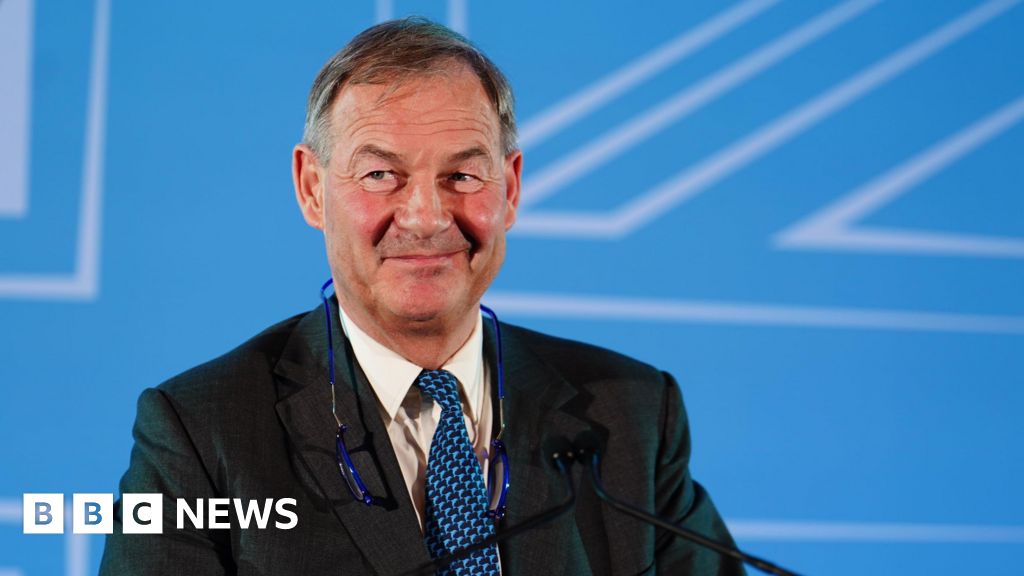
The image accompanying the original news article, though a placeholder, depicted Rupert Lowe at a Reform UK conference in Essex, dressed in a white shirt, spotty tie, and black jacket, smiling and addressing an audience with a microphone. This visual context subtly reminds readers of his past affiliation and public presence within Reform UK, making his subsequent suspension and the formation of Restore Britain all the more noteworthy. The caption beneath the image, "Rupert Lowe set up Restore Britain after he was suspended from Reform UK," directly links his personal political journey to the genesis of this new party, highlighting a narrative of resilience and a determination to continue his political work outside of the Reform UK structure.
The implications of this development are multi-faceted. For Reform UK, the loss of seven councillors, regardless of their prior expulsion, means a reduction in their total representation at the county level. While they may dismiss them as "dregs," a smaller council group can impact a party’s ability to influence policy, secure committee positions, and project a strong presence. It also raises questions about internal cohesion and the vetting processes for candidates, particularly if multiple members face disciplinary issues. For Kent County Council, the emergence of Restore Britain introduces a new dynamic. The council’s political landscape will now include another distinct voice, potentially influencing debates, voting patterns, and the formation of alliances on specific issues. Councillors operating under an "independence of mind" banner might be less predictable than those aligned with larger, more disciplined national parties, potentially leading to more fluid and issue-based collaborations.
Looking ahead, Restore Britain faces the challenge of establishing its identity, developing a clear policy platform that resonates with voters, and proving its viability beyond this initial group of councillors. Their success will depend on their ability to articulate a compelling vision for Kent and potentially for wider UK politics, differentiating themselves from both the established parties and other emerging right-wing factions. The "many more to come" alluded to by Lowe suggests an aspiration for expansion, but attracting new members and winning future elections will require overcoming the inherent difficulties faced by any new political entity in a well-entrenched system. The initial dismissive reaction from Reform UK suggests that the political sparring between these two groups, both vying for a segment of the right-wing electorate, is likely to continue and intensify.


 Roy Suryo
 Nakalama John
 atisusanti