Roy Suryo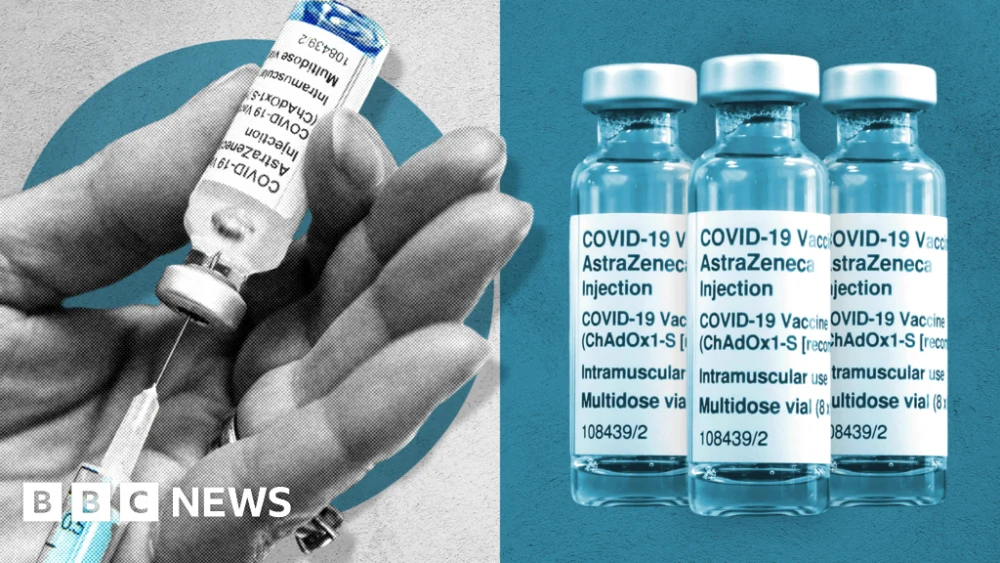
Nearly £50 million of taxpayer funds has been allocated by the NHS to an outsourced firm responsible for assessing claims of medical harm stemming from Covid-19 vaccines, a BBC investigation has revealed. This astronomical figure represents an eightfold increase on the initial estimate for the assessment work undertaken by Crawford & Company Adjusters, and is nearly £20 million more than the total compensation awarded to individuals who have suffered or been bereaved due to Covid-19 vaccines. The firm’s five-year contract, originally projected to cost £6 million, has more than a year remaining, but a new company is slated to assume these responsibilities in the coming months.
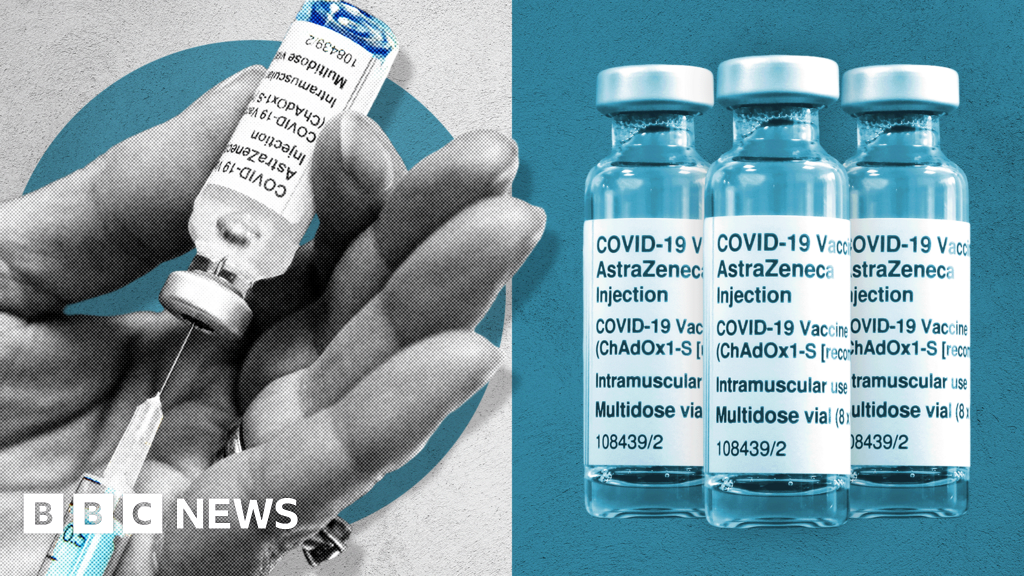
An NHS spokesperson attributed the escalating costs and the "level of contract spend" to a volume of claims that "has exceeded the anticipated levels." To date, over 22,000 claims related to Covid-19 vaccines have been lodged, with the majority concerning the AstraZeneca jab. However, a mere 1% of these claims have resulted in compensation payouts. These claims are processed through the UK-wide Vaccine Damage Payment Scheme (VDPS), for which Crawford has been providing medical assessments since March 2022.
Legal experts have raised concerns about the contract’s structure. One law professor described the "nature of the [Crawford] contract as peculiar," suggesting that given the "significant uncertainty" at the time of its inception, a shorter contract with a cap on the number of claims processed would have been more prudent. In response to inquiries regarding the prolonged cost overruns, an NHS spokesperson cited the time it takes for public sector organisations to procure contracts and the inherent complexity of this particular agreement as contributing factors. Crawford & Company Adjusters, whose parent company is based in the United States, referred the BBC’s request for comment to the NHS.
A Surge in Claims and Spiralling Costs
The significant sums paid to Crawford for its medical assessment services are distinct from the compensation awarded to individuals who have experienced vaccine-related harm. Established in 1979, the VDPS currently provides a one-off, tax-free payment of £120,000 to individuals who can medically prove, on the balance of probabilities, that a vaccine has resulted in severe disabilities. While the benefits of vaccination are widely acknowledged, with the AstraZeneca Covid-19 jab credited with saving millions of lives, the injuries sustained by those adversely affected have been devastating.
The number of claims submitted under the VDPS for Covid-19 vaccines has been more than three times the total for all eligible vaccines combined over the preceding four decades. Despite this surge in claims, the success rate for compensation payouts has remained low. As of mid-November of the previous year, only 249 individuals had received payouts for harm attributed to Covid-19 vaccinations, with the total payments amounting to £29.8 million, funded by the UK government and separate from the Crawford contract.
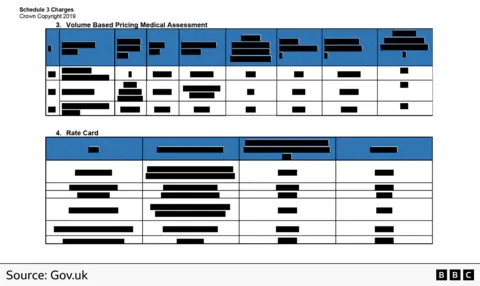
BBC analysis indicates a rapid escalation in monthly NHS payments to Crawford shortly after the firm commenced its assessment work for the VDPS. The NHS appears to have initiated scrutiny of the agreement with its provider as costs spiralled due to the sheer volume of claims. The initial five-year contract with Crawford was estimated to be worth £6 million, a figure that was revised 14 months into the agreement, in May 2023. The announcement of a new contract with a different provider was made on January 5th of this year. Moves to identify a new provider began in September 2023, but spending continued to climb during this interim period. Astonishingly, eighteen months into the contract, Crawford received £5.9 million for a single month’s work – an amount nearly equivalent to the entire initial estimated value of the contract.
Considering the inherent uncertainties surrounding the potential number of claims, experts have questioned the NHS’s decision to enter into a fixed contract that did not allow for a review once more reliable data became available. Albert Sanchez-Graells, a professor at the University of Bristol Law School with extensive experience researching NHS contracts, commented that "using firm contracts in uncertain situations carries significant commercial risks." When questioned by the BBC about the contract’s formulation and whether any mistakes had been made, an NHS spokesperson stated that "several factors influence a procurement strategy and construct of the contract" without providing further specifics.
A New Provider and Future Reforms
The responsibility for conducting medical assessments under the VDPS will be transferred to Maximus UK Services Limited, another provider with a US-based parent company. The precise start date for Maximus has yet to be confirmed. The new contract is scheduled to run for five years and is valued at an estimated £27 million. While this figure exceeds the initial estimated value of Crawford’s contract, it remains substantially less than the total amount paid to Crawford over the duration of its agreement. The NHS spokesperson indicated that the value of the new contract was determined based on the current rate of new claims received and is designed to be "flexed" if this rate changes.
In parallel, Health Secretary Wes Streeting is currently reviewing potential reforms to the VDPS. The scheme’s operations were also a subject of discussion within the Covid inquiry, with a report detailing its findings expected to be published on April 16th. This ongoing review and the upcoming report suggest a broader re-evaluation of how the UK handles claims of vaccine-related harm and the procurement processes involved in managing such critical public health services. The significant overspend on the Crawford contract highlights the challenges faced by public bodies in accurately forecasting and managing costs in complex and evolving situations, particularly when dealing with unforeseen volumes of claims. The shift to a new provider and the potential reforms signal a move towards a more adaptable and potentially more cost-effective approach to assessing vaccine damage claims in the future.



 Nakalama John
 atisusanti
 Ramos Leo