Nakalama John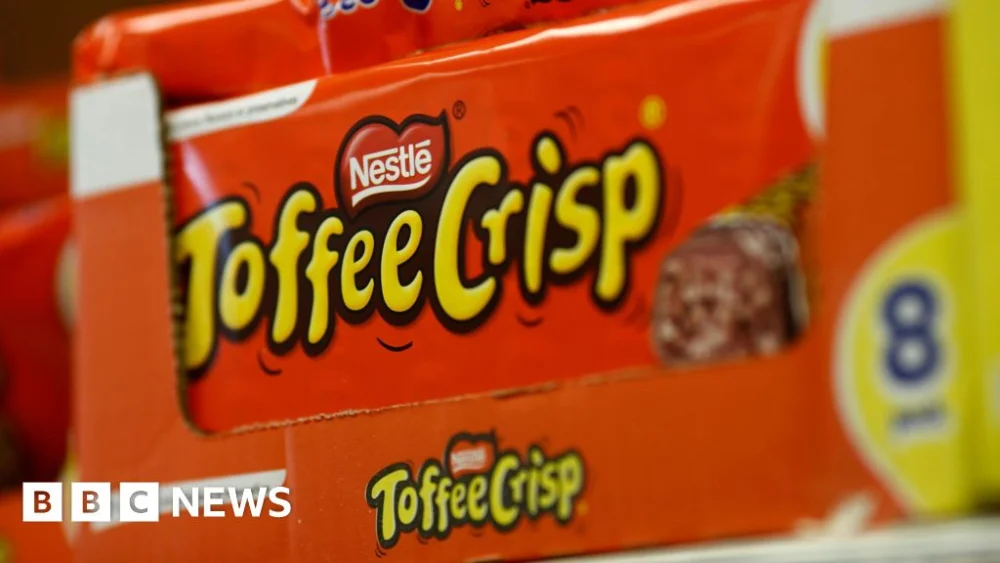
The beloved confectionery stalwarts, Toffee Crisp and Blue Riband, have undergone a significant transformation, no longer qualifying for the esteemed title of "chocolate" in the United Kingdom following a strategic reformulation by their manufacturer, Nestle. This culinary reclassification stems from a subtle yet crucial alteration in their ingredient composition, a move necessitated by the relentless pressures of escalating production costs. To be officially designated as "milk chocolate" within the UK, a product is mandated to contain a minimum of 20% cocoa solids and an equivalent 20% milk solids. It is precisely this threshold that both Toffee Crisp and Blue Riband have, post-reformulation, fallen below. The adjustment involved the incorporation of a higher proportion of more economical vegetable fats, a decision designed to mitigate the impact of rising raw material expenses, particularly for cocoa and butter.
Nestle, in its official statement, articulated that these reformulations were an unavoidable consequence of "significant increases in the cost of cocoa over the past years, making it much more expensive to manufacture our products." The company emphasized that these changes were "carefully developed and sensory tested," assuring consumers that the taste profiles and overall quality of the bars had been meticulously preserved. Furthermore, Nestle affirmed that there were currently no plans to alter the recipes of its other, more premium chocolate offerings, suggesting a targeted approach to managing costs within specific product lines. This strategic recalibration highlights a broader trend sweeping across the food industry, where manufacturers are increasingly resorting to recipe adjustments and, in some instances, shrinking product sizes, a phenomenon colloquially termed "skimpflation," to absorb the escalating costs of essential ingredients.
The initial report of this significant change was brought to light by The Grocer, a prominent trade publication, shedding light on the intricate dynamics at play within the confectionery market. Nestle’s decision is far from an isolated incident. The confectionery landscape has witnessed similar shifts in recent months. In October, for instance, McVitie’s Penguin and Club bars also transitioned from being labelled as "chocolate" to "chocolate flavour." This rebranding occurred after parent company Pladis elected to reduce the cocoa content in these popular biscuits, opting for more cost-effective alternative ingredients. The underlying driver for these widespread reformulations is the volatile and upward trajectory of cocoa commodity prices. Despite a recent slight easing in these prices, the cumulative surge over the past three years, exacerbated by adverse weather conditions such as poor harvests and droughts in key cocoa-producing regions, has placed immense financial strain on chocolate manufacturers.
The concept of "skimpflation" has become increasingly prevalent as a direct response to the inflationary pressures that have inflated production costs across the board. This practice involves subtly reducing the quality or quantity of key ingredients to maintain profit margins without overtly increasing prices, a strategy that can often go unnoticed by the average consumer until significant changes become apparent. The food and drink manufacturing sector has been particularly susceptible to these pressures, with companies scrutinizing every aspect of their supply chains and production processes in search of cost efficiencies.
The supermarket sector has also been implicated in similar practices. A 2024 investigation revealed that several major supermarkets had reduced the amount of more expensive ingredients, such as beef and chicken, in their ready-to-eat meals. For example, Sainsbury’s "Clotted Cream Rice" pudding was found to have seen a reduction in its clotted cream content, dropping from 47% to 41%. This trend underscores a systemic issue within the retail and manufacturing landscape, where the pursuit of affordability and profitability often leads to compromises on the ingredient composition of everyday products.
The implications of Nestle’s decision to reformulate Toffee Crisp and Blue Riband extend beyond mere labelling changes. It raises important questions about consumer trust and the definition of iconic food products. For many, these bars represent a nostalgic connection to childhood and a consistent, reliable treat. The shift away from a "chocolate" designation, even if technically accurate according to regulatory definitions, could be perceived by some consumers as a dilution of the product’s core identity. The justification of rising cocoa prices, while understandable from a business perspective, highlights the delicate balance manufacturers must strike between maintaining product integrity and navigating economic realities.
The global cocoa market is a complex ecosystem, subject to the vagaries of weather, geopolitical stability, and agricultural practices. The Ivory Coast and Ghana, for instance, are the world’s largest producers of cocoa, and their output is critically important to the global supply chain. Disruptions in these regions, whether due to disease, climate change, or political instability, can have a profound impact on the availability and cost of cocoa beans. The current challenges facing the market are a culmination of several years of these compounding factors, pushing the price of cocoa to unprecedented levels.
Nestle’s proactive approach, while potentially unpopular with some consumers, demonstrates a strategic imperative to adapt to these market dynamics. The company’s commitment to sensory testing suggests an effort to minimize any perceived degradation in the eating experience, aiming for a smooth transition for its loyal customer base. However, the very act of changing an ingredient that defines a product’s category, even if done to meet regulatory standards for a specific descriptor, inevitably sparks debate. The distinction between "chocolate" and "chocolate flavour" is a nuanced one, but for consumers, it often carries a perceived difference in quality and authenticity.
The broader economic context of inflation has undoubtedly played a significant role in these widespread ingredient adjustments. With rising energy costs, transportation expenses, and wages, food manufacturers are facing a multi-faceted increase in their operational expenditures. In such an environment, the cost of primary ingredients like cocoa, sugar, and dairy becomes a critical battleground for maintaining profitability. Companies are thus compelled to explore every avenue for cost optimization, from sourcing cheaper alternatives to optimizing production processes and, as seen with Toffee Crisp and Blue Riband, subtly altering recipes.
The transparency surrounding these changes, as evidenced by Nestle’s public statement and The Grocer’s reporting, is crucial for maintaining consumer confidence. While the term "skimpflation" might carry a negative connotation, understanding the economic pressures that drive these decisions can foster a more informed dialogue between consumers and manufacturers. The confectionery industry, like many others, is in a constant state of evolution, adapting to changing consumer preferences, technological advancements, and, inevitably, the economic realities of the global marketplace. The future of Toffee Crisp and Blue Riband, now operating under a new classification, will likely be a test case for how consumers react to these subtle yet significant shifts in the products they have long cherished. The ability of Nestle to retain its customer base will depend not only on the continued enjoyment of the reformulated bars but also on its communication strategy and its ongoing commitment to quality and value within a challenging economic climate. The enduring appeal of these confectionery items will ultimately be measured by their ability to adapt and evolve without alienating the very consumers who have made them household names.



 Roy Suryo