
 George Anjay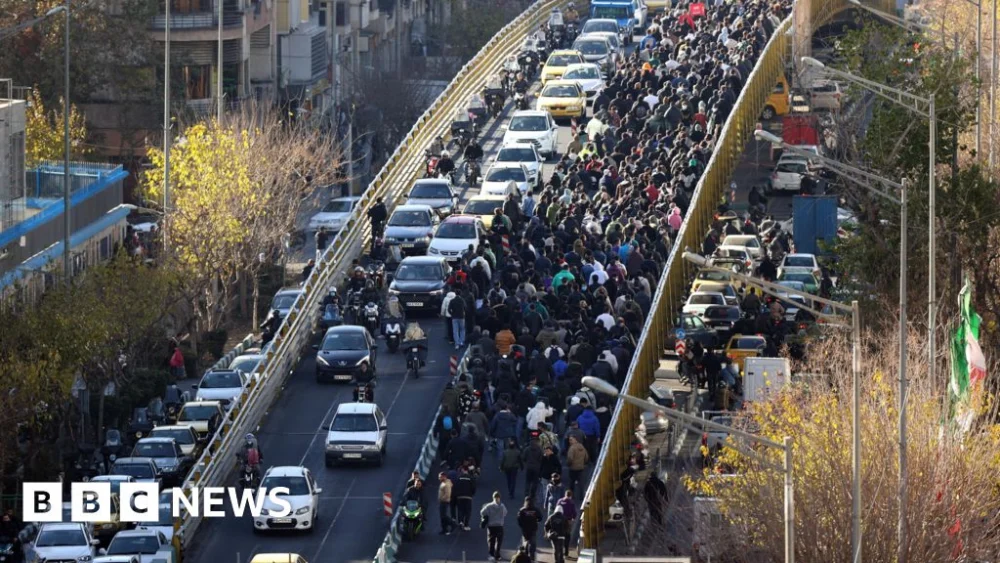
As Iran grapples with a deepening economic crisis, the nation has been engulfed in widespread protests for a third consecutive day, ignited by a dramatic plummet in the value of the Iranian rial and rampant inflation. The unrest, which began with shopkeepers staging a strike in Tehran’s historic Grand Bazaar on Sunday after the rial hit a record low against the US dollar on the open market, has now rippled outwards, engulfing multiple cities and drawing in diverse segments of the population. Verified videos circulating on social media, corroborated by BBC Persian, depict demonstrators taking to the streets in Karaj, Hamedan, Qeshm, Malard, Isfahan, Kermanshah, Shiraz, and Yazd. In a stark display of the authorities’ attempts to quell the dissent, security forces were observed deploying tear gas in an effort to disperse the growing crowds.
The Iranian government, in a carefully worded acknowledgement of the mounting public anger, stated that it "recognizes the protests" and pledged to listen "with patience, even if it is confronted with harsh voices." President Masoud Pezeshkian, in a late Monday post on the social media platform X, revealed that he had instructed the interior minister to engage in dialogue with what he termed "representatives" of the protesters. The stated objective of these talks is to expedite the implementation of measures aimed at "resolving the problems and acting responsibly." In a significant move signaling a desire for change at the helm of the nation’s financial affairs, President Pezeshkian also accepted the resignation of Iran’s central bank governor, Mohammadreza Farzin. He has since appointed Abdolnasser Hemmati, a former minister of economy and finance, to succeed Farzin, a decision that some observers hope will inject a new approach into managing the embattled economy.
The scope of the protests has expanded beyond merchants, with university students now actively participating, their chants echoing anti-government sentiments. A particularly resonant slogan heard on campuses and in the streets is "Death to the dictator," a direct and defiant reference to the Supreme Leader, Ayatollah Ali Khamenei, the ultimate arbiter of power in Iran. Adding another layer of complexity to the unfolding demonstrations, some protesters have been heard expressing support for the son of the late Shah Mohammad Reza Pahlavi, the monarch overthrown in the 1979 Islamic Revolution. Chants of "Long live the Shah" signal a segment of the population yearning for a return to the pre-revolutionary era, or at least a rejection of the current clerical establishment.
In response to these developments, Reza Pahlavi, the son of the last Shah and currently living in exile in the United States, took to X to voice his solidarity with the protesters. He declared, "I am with you. Victory is ours because our cause is just and because we are united." Pahlavi further articulated his belief that "as long as this regime remains in power, the country’s economic situation will continue to deteriorate," a sentiment that resonates deeply with the millions of Iranians experiencing economic hardship. The United States, through its Persian-language account on X, also expressed its support for the ongoing demonstrations. The US State Department "praised their courage" and affirmed its stance with those seeking "dignity and a better future" in the wake of what it described as "years of failed policies and economic mismanagement."
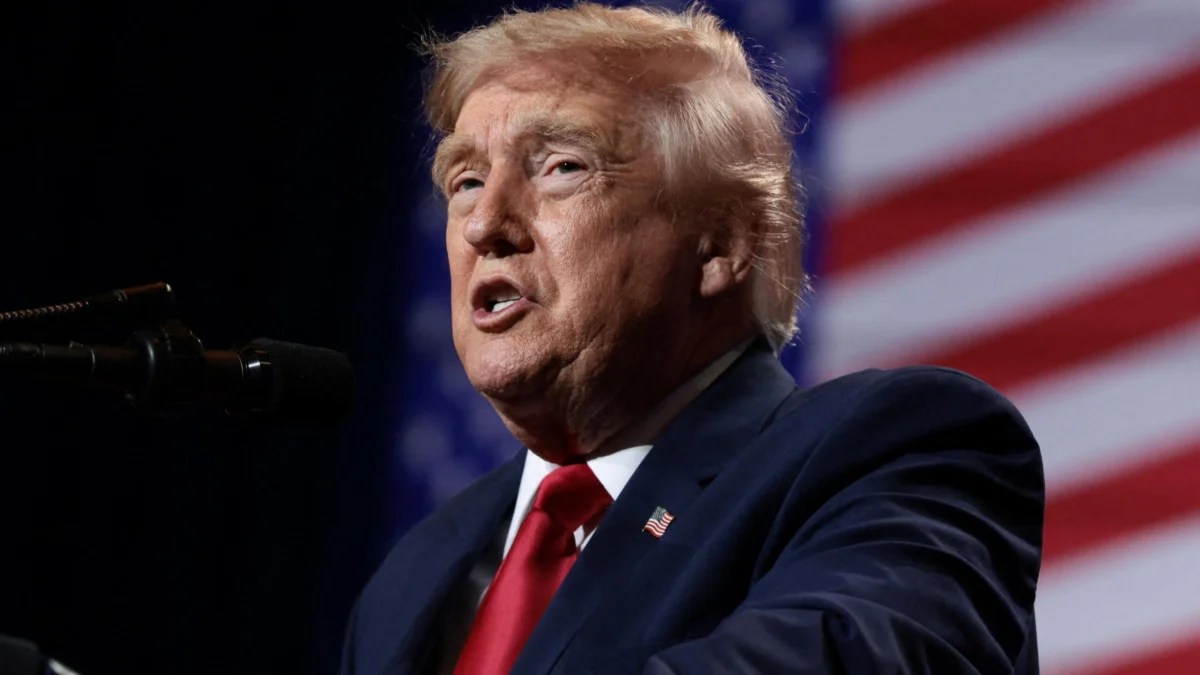
The escalating situation in Iran has reportedly become a prominent topic of discussion in international diplomatic circles. Iran was said to be high on the agenda of a meeting between US President Donald Trump and Israeli Prime Minister Benjamin Netanyahu in Florida on Monday. During a joint press conference following their discussions, Trump refrained from explicitly endorsing regime change in Iran but did offer a stark assessment of the country’s internal struggles. He stated, "They’ve got a lot of problems: tremendous inflation, their economy is bust, their economy is no good, and I know people aren’t so happy." Trump also alluded to the possibility of the US backing further Israeli military action against Iran, particularly if Tehran were to resume its ballistic missile or nuclear programs. "If they will continue with missiles, yes. The nuclear, fast, ok? One will be yes absolutely. The other is, we will do it immediately," he stated, referencing a previous period of heightened tensions.
It is important to note the context of past military engagements. During a 12-day conflict between Israel and Iran in June, the United States conducted air strikes targeting key Iranian uranium enrichment sites. Iran has consistently maintained that its nuclear program is exclusively for peaceful purposes. In response to the rhetoric surrounding potential military action, President Pezeshkian issued a strong vow on Tuesday, declaring that Iran’s response to "any oppressive act of aggression" would be "severe and regret-inducing." This statement underscores the volatile geopolitical landscape surrounding Iran and its nuclear ambitions.
Meanwhile, Iran’s supreme leader has consistently accused external adversaries of orchestrating internal dissent. Ayatollah Ali Khamenei has repeatedly asserted that Israel’s government harbored hopes of widespread protests erupting in Iran during the recent conflict, with the ultimate aim of toppling the regime. In September, Khamenei stated, "They wanted to create sedition on the streets… But people were absolutely not influenced by what the enemy wanted," reflecting his perception of the government’s ability to control public opinion and suppress opposition.
The current wave of protests, however, appears to be driven by organic economic grievances that have reached a critical mass. The rial’s freefall, exacerbated by years of international sanctions and domestic economic mismanagement, has eroded the purchasing power of ordinary Iranians, leading to soaring prices for essential goods and services. This economic distress has provided fertile ground for public discontent to manifest in increasingly vocal and widespread demonstrations. The government’s response, characterized by a mixture of acknowledgements and promises of dialogue, is being closely scrutinized, as is the potential for further escalation of both domestic unrest and international tensions. The coming days will be critical in determining the trajectory of this unfolding crisis, with the resilience of the protest movement and the government’s capacity to address the underlying economic issues being key factors. The involvement of various societal groups, from merchants to students, and the symbolic support from exiled figures, suggest a broad-based dissatisfaction with the current state of affairs. The international community, particularly the United States and its allies, will undoubtedly continue to monitor the situation closely, given the regional implications of any significant shift in Iran’s internal stability. The intertwined issues of economic hardship, political dissent, and geopolitical rivalries are converging to create a complex and potentially volatile scenario in Iran.



 Roy Suryo

 Nakalama John
 atisusanti
 Ramos Leo
