Nana Banana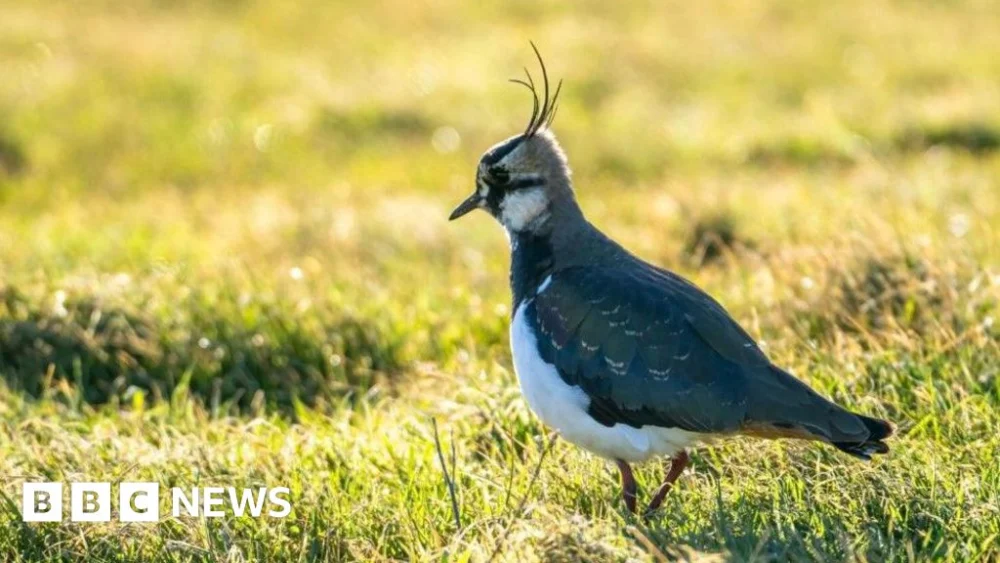
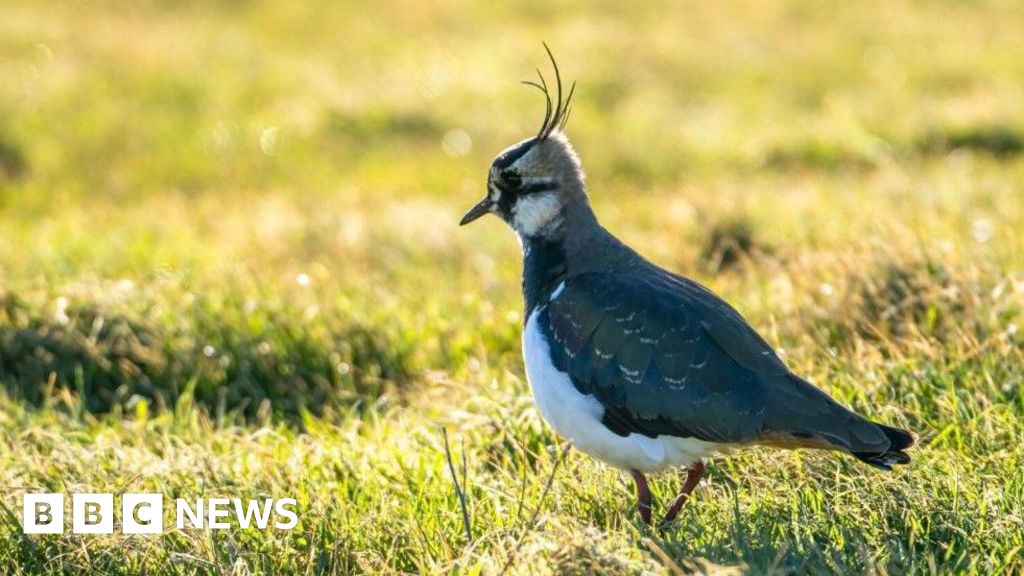
These venerable vessels, having fulfilled their industrial purpose, have now been repurposed as the foundation for a burgeoning ecological haven. They were systematically filled and subsequently covered with layers of sediment, primarily mud, to establish a stable new landmass. This newly formed island is specifically designed to provide a much-needed sanctuary for a variety of avian residents, including several species of conservation concern such as the endangered dunlin, the distinctive curlew, the agile ringed plover, and the charismatic lapwing. The National Trust has articulated this ambitious undertaking as a cornerstone of a broader suite of "innovative, nature-based solutions" aimed at safeguarding Northey Island, a site of considerable ecological importance, against the escalating threats posed by rising sea levels and the alarming rate of saltmarsh degradation.
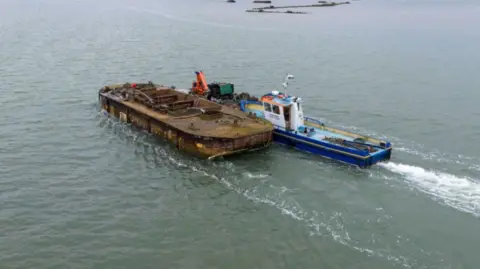
The journey of these barges from their utilitarian past to their new ecological role is itself a narrative of transformation. For over three decades, these once-active transporters of building materials, coal, and foodstuffs had lain largely dormant, moored in various locations across Essex, their working lives seemingly behind them. Now, they occupy a new, purposeful position on the inter-tidal mudflats of the Blackwater Estuary, their collective bulk forming a substantial new landmass adjacent to the existing, precious saltmarsh habitat of Northey Island. This strategic placement is not merely about creating new space; it is intrinsically linked to the critical goal of mitigating the ongoing erosion of the saltmarsh. Saltmarshes are dynamic coastal ecosystems, highly susceptible to the powerful forces of tidal currents, wave action, and the relentless creep of rising sea levels. The presence of the new island is anticipated to act as a natural breakwater, dissipating wave energy and reducing the erosive impact on the delicate saltmarsh, thereby protecting a vital buffer zone for both wildlife and the coastline itself.
The National Trust has justifiably hailed this project as "a bold marine engineering feat," underscoring the complexity and pioneering spirit involved. Katy Gilchrist, the coastal project manager spearheading this initiative for the trust, eloquently captured the essence of the endeavour, stating: "This is the ultimate act of marine recycling – transforming retired industrial vessels into a sanctuary for wildlife. We’re basically turning history into habitat, and as far as we know, no-one has attempted anything quite like this before." Her words highlight not only the innovative reuse of materials but also the imaginative approach to ecological restoration, pushing the boundaries of conventional conservation methods.
The practical execution of the project demanded meticulous planning and considerable effort. Each of the three barges, formidable in size, measuring between 20 and 32 metres long (approximately 66 to 105 feet), required extensive preparation. Before their final journey to the estuary, they underwent rigorous cleaning to remove any potential contaminants and were made fully seaworthy to ensure their safe towing. Once prepared, they were carefully manoeuvred into their precise locations and gently set down onto pre-prepared platforms of sediment on the estuary bed. The next crucial step involved cutting strategic holes into the hulls of the vessels. This allowed water to ingress, sinking the barges into their permanent positions. Following this, they were systematically filled with vast quantities of sediment, predominantly estuarine mud, which served to weigh them down securely and anchor them firmly against the tidal forces.
The final stage of the island’s formation will involve capping the sediment-filled barges with a layer of gravel. As Gilchrist further explained, "Once the island is fully established with gravel on top, it will sit safely above the highest tides to offer a safe refuge for some of our bird species which are in decline." This elevated platform will ensure that the island remains above the reach of even the highest tides, providing a consistent, undisturbed environment essential for the nesting, roosting, and feeding of vulnerable bird populations. Upon completion, this remarkable transformation will add a significant 0.55 hectares (equivalent to approximately 1.4 acres) of brand new habitat within the Blackwater Estuary. To put this into perspective, this new landmass is almost the size of a standard football pitch, a substantial addition to the estuarine ecosystem.
Matt Wilson, the countryside manager for the National Trust, elaborated on the profound ecological benefits of this creation. He emphasised: "The new island, located just off the eastern shore of Northey, will provide a refuge for birds above the highest tides and away from disturbance on shore, acting as a lifeline for birds that are running out of safe spaces to nest and rest." The isolation of the island from human activity and terrestrial predators offers a critical advantage for breeding birds, providing them with the security needed to successfully fledge their young. Moreover, Wilson reiterated the dual benefit of the project, adding: "As well as creating a new habitat for birds, the island will also help to reduce erosion of the existing saltmarsh at Northey Island." This dual functionality underscores the holistic approach taken by the National Trust in addressing both habitat loss and coastal protection.
The successful implementation of such an innovative and complex project necessitates a collaborative effort involving a diverse array of expert partners. The National Trust has worked in close conjunction with several key organisations, each bringing invaluable expertise to the table. These partners include the Environment Agency, a principal body responsible for environmental protection and flood risk management; Natural England, the government’s adviser for the natural environment, providing scientific and policy guidance; Maldon Harbour Improvement Commissioners, who oversee navigation and safety within the local waterways; specialist engineering and environmental consultants Royal Haskoning DHV, providing critical design and technical expertise; and specialist marine contractors Landbreach Ltd, responsible for the intricate marine operations involved in preparing and sinking the barges. This multi-agency collaboration highlights the interdisciplinary nature of modern conservation, where ecological goals are achieved through a blend of engineering prowess, environmental science, and strategic partnerships. The new Essex island, built upon the legacy of old Thames barges, stands as a testament to human ingenuity in adapting to environmental challenges and fostering new life from industrial relics, offering a beacon of hope for declining coastal bird populations and the future of our precious saltmarsh habitats.



 Roy Suryo
 George Anjay
 Ramos Leo
 atisusanti