
 Roy Suryo
A critical shortage of bone cement, a vital component in over 1,000 NHS joint replacement surgeries weekly, is poised to trigger significant delays for patients awaiting hip, knee, and shoulder procedures across England. The disruption stems from a temporary halt in production at the main European facility of Heraeus Medical, the primary supplier of this essential medical material to the UK’s National Health Service. The German firm, responsible for approximately 75% of the bone cement utilized by the NHS, has encountered unforeseen production challenges, leading to an anticipated supply deficit that could persist for up to two months. This shortfall has prompted urgent directives from NHS England, advising hospitals to meticulously prioritize emergency cases and patients experiencing severe pain or complex conditions, potentially pushing elective surgeries further down the already extensive waiting lists.
The gravity of the situation is underscored by the sheer volume of patients currently awaiting joint surgery. England alone has a backlog of 850,000 individuals requiring planned orthopedic interventions, making it the largest specialty by waiting list size. These patients, many of whom have endured prolonged periods of pain and immobility, now face renewed uncertainty and potential postponement of their much-anticipated procedures. The guidance issued by NHS England emphasizes a triage approach, directing hospitals to focus on individuals who have suffered falls, sustained broken hips, or are experiencing the most debilitating symptoms. This strategic reallocation of resources aims to ensure that the most urgent and life-altering cases receive immediate attention, even if it means delaying elective surgeries.
Hospitals are currently operating with an estimated two-week buffer stock of bone cement, a precarious situation that necessitates swift action to replenish supplies. In response to the escalating crisis, NHS England, in collaboration with its counterparts across the United Kingdom, is actively engaged in efforts to secure increased supplies from the four other manufacturers that intermittently serve the NHS. These supplementary sources are being explored to mitigate the immediate impact and bridge the supply gap during Heraeus Medical’s production hiatus. Patients are being advised to maintain their scheduled appointments and treatments unless they receive explicit notification to the contrary, a measure designed to prevent unnecessary anxiety and disruption to their treatment plans.
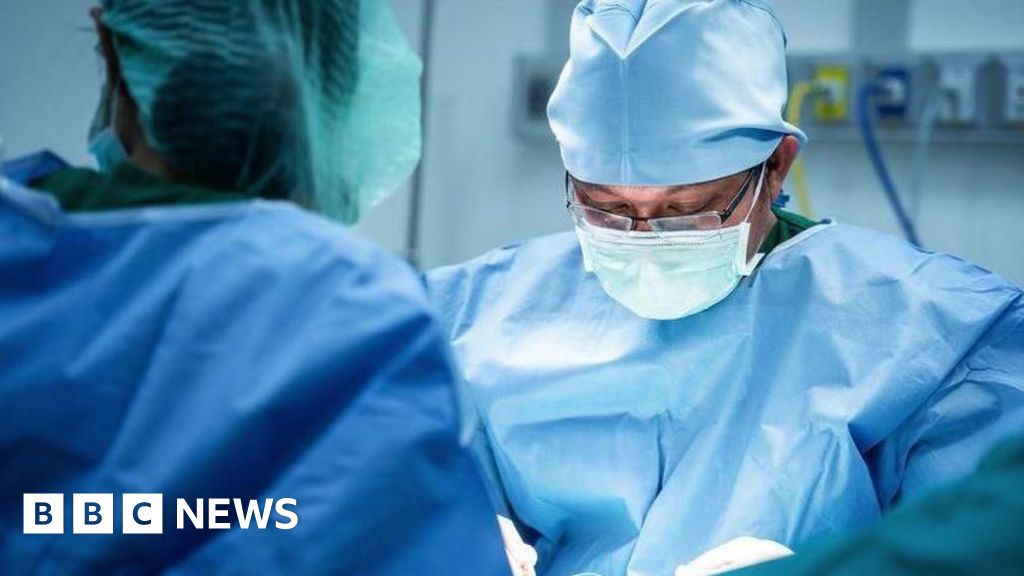
The implications of this bone cement shortage are being described as a "crushing blow" for patients who have already navigated the arduous journey to the front of the orthopedic surgery queue. Deborah Alsina, chief executive of Arthritis UK, voiced her deep concern, stating, "This is a crushing blow for those individuals who have finally made it to the front of the orthopaedic surgery queue after a long time waiting." She further stressed the imperative for transparent and swift communication from hospitals to affected patients, aiming to alleviate the added stress and uncertainty that this situation inevitably engenders. "We urge hospitals to communicate quickly with those affected to avoid additional worry and uncertainty," Alsina urged. The ramifications extend beyond individual suffering, posing a significant challenge to government objectives to reduce waiting lists and meet ambitious healthcare targets. "Aside from the personal toll on people with arthritis, the stakes are high for government who have an uphill challenge to bring down waiting lists to meet ambitious targets," she added.
The genesis of this supply chain disruption is detailed in a letter circulated by Heraeus Medical to its customers. The company attributes the production halt to a critical machine failure at its primary manufacturing site, which occurred during an ongoing upgrade of its production processes. A spokesperson for Heraeus Medical expressed profound regret for the current delivery delays, emphasizing the company’s unwavering commitment to patient well-being and customer satisfaction. "The wellbeing of our patients and the satisfaction of our customers are top priorities. We deeply regret that there are currently delivery delays affecting our medical bone cements," the spokesman stated. The global nature of this issue is further highlighted by an NHS England spokesman, who confirmed that the problem is impacting supply worldwide, underscoring the interconnectedness of global medical supply chains.
In response to this unfolding crisis, NHS England is disseminating immediate guidance to hospitals to ensure the continued safe delivery of trauma and urgent care services. This guidance also aims to facilitate a more effective prioritization of waiting lists, ensuring that patient needs are paramount in the allocation of scarce resources over the coming weeks. The British Orthopaedic Association (BOA), representing joint surgeons across the nation, is working in close concert with NHS leadership to minimize the adverse effects on patients. Fergal Monsell, a representative of the BOA, indicated that hospitals may need to optimize the utilization of surgical teams and operating theaters to accommodate procedures that do not necessitate the use of bone cement. "The BOA will update surgeons with developments so they can treat their patients as the situation develops," Monsell assured, highlighting the dynamic nature of the response and the commitment to keeping medical professionals informed. This strategic adaptation aims to preserve surgical capacity and ensure that as many patients as possible continue to receive timely care, even amidst the constraints imposed by the bone cement shortage. The situation underscores the fragility of global supply chains for critical medical supplies and the intricate planning required to maintain healthcare services in the face of unforeseen disruptions. The NHS and its partners are navigating this challenge with a focus on patient safety, equitable resource allocation, and proactive communication, striving to mitigate the impact on those most in need of joint replacement surgery. The long-term implications of this shortage are also being considered, with discussions likely to revolve around diversifying supply chains and building greater resilience into the procurement of essential medical materials to prevent future occurrences.




 Nakalama John
 atisusanti
 Ramos Leo
