Nakalama John
Centrica reported an overall operating profit of £814 million for the year, a stark contrast to the £1.55 billion recorded in 2024. This substantial decline underscores the volatility inherent in the energy retail sector, particularly when faced with unpredictable environmental factors and evolving consumer behaviour. The £80 million hit specifically to British Gas’s profits highlights the direct financial consequences of both reduced energy usage and the competitive pressures driving customers towards more affordable tariff options. This shift towards fixed-rate tariffs often occurs when wholesale energy prices stabilise or fall, allowing suppliers to offer more attractive long-term deals, which, while beneficial for consumers, can compress profit margins for providers like British Gas.
Despite these financial headwinds, Centrica’s chief executive, Chris O’Shea, highlighted a notable achievement: British Gas successfully grew its customer base for the first time in over a decade, reaching 7.5 million customers in the UK. This growth, while positive for market share and long-term stability, was not purely organic. It was significantly bolstered by the absorption of customers from two smaller energy providers, Rebel Energy and Tomato Energy, which ceased trading during the year. Under the ‘Supplier of Last Resort’ mechanism regulated by Ofgem, larger, more stable suppliers like British Gas are mandated to take on customers from failed companies, a process that can add to customer numbers but also comes with operational complexities and potential integration costs.
Mr. O’Shea acknowledged the challenging operating environment, noting that "performance has varied across the business." While the retail arm, British Gas, faced significant pressure, Centrica’s diversified portfolio likely provided some resilience. The company also has interests in energy production, power generation, and services, which may have performed differently. However, the sheer scale of the retail profit reduction indicates that this segment remains a critical determinant of Centrica’s overall financial health. The drop in profits also comes against a backdrop of intense scrutiny on energy companies, particularly after the record profits seen by some during the peak of the energy crisis in 2022-2023, making any downturn subject to close public and investor examination.

The Met Office confirmed that 2025 was the UK’s warmest and sunniest year on record, with an average temperature of 10.09C. This meteorological data provides concrete evidence for the primary driver of Centrica’s profit slump. Warmer temperatures directly translate to a reduced need for gas heating in homes and businesses, leading to lower consumption of a key commodity for British Gas. While milder winters might reduce operational costs associated with extreme weather events, the impact on demand for heating fuel is overwhelmingly negative for an energy supplier predominantly focused on gas and electricity provision. This trend also raises long-term questions for energy companies about adapting to climate change and its implications for traditional business models.
The financial markets reacted swiftly to Centrica’s announcement, with shares in the company trading down by more than 7% in London on Thursday morning. This significant drop reflects investor concerns about the company’s future earnings potential, its vulnerability to weather patterns, and the ongoing pressures within the highly competitive and regulated UK energy market. Investors are keenly watching how Centrica plans to navigate these challenges, particularly in balancing shareholder returns with the substantial investments required for the energy transition and maintaining customer satisfaction amidst a cost of living crisis.
Looking ahead, Centrica faces a multi-faceted challenge. While customer growth is a positive sign of market presence and stability, the company must find ways to mitigate the impact of weather variability and intense price competition. This could involve further diversification into non-commodity services, such as smart home technologies, energy efficiency solutions, and renewable energy installations like heat pumps, which are less reliant on traditional heating demand. The ongoing energy transition also presents both risks and opportunities, with Centrica needing to invest heavily in decarbonization efforts to align with national net-zero targets, while simultaneously ensuring reliable and affordable energy supply to millions of homes and businesses. The company’s strategy will likely focus on leveraging its vast customer base for cross-selling services and enhancing customer loyalty through improved service and innovative offerings, rather than relying solely on the volume of energy consumed for heating.




 Roy Suryo
 George Anjay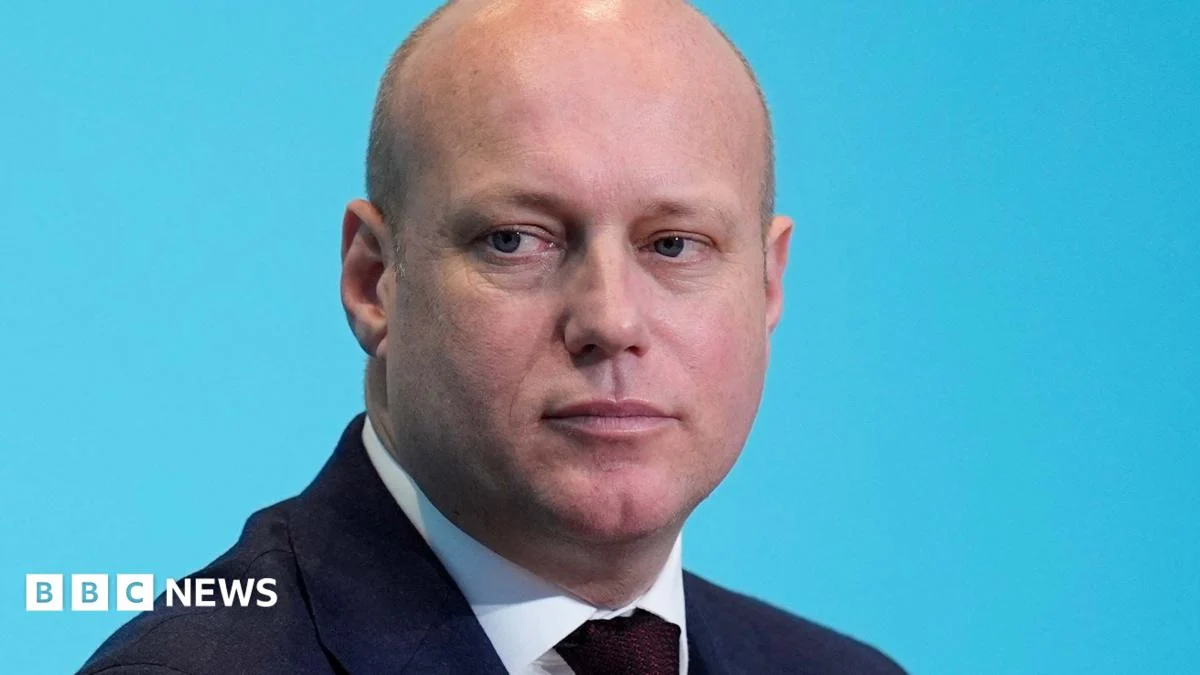
 Ramos Leo