
 Ramos Leo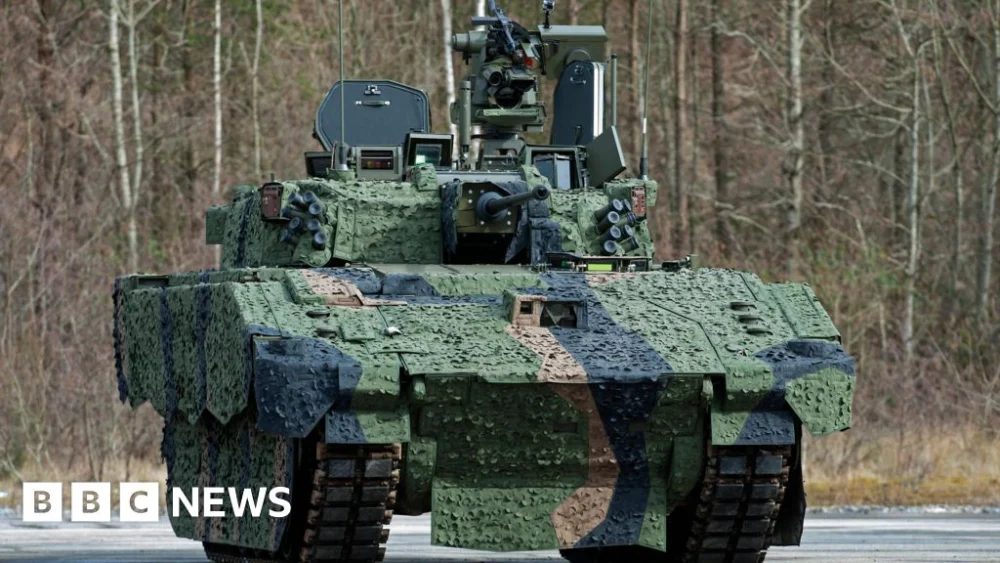
The Defence Secretary, John Healey, has declined to provide a definitive timeline for the conclusion of investigations into the profoundly troubled Ajax armoured vehicle programme. This refusal comes amidst mounting concerns following reports of service personnel suffering debilitating illnesses, including vomiting and shaking, during training exercises with the vehicles last year, leading to a critical pause in their deployment.
The Ministry of Defence (MOD) took the drastic step of halting all testing and use of the new-generation armoured vehicles after a staggering 35 service personnel across 23 different vehicles reported severe symptoms of illness. The reports detailed soldiers experiencing violent vomiting, involuntary shaking, and other distressing conditions, raising serious questions about the safety and operational viability of the multi-million-pound machines. These incidents represent the latest in a long litany of setbacks and controversies that have plagued the Ajax programme since its inception.
The Ajax vehicles are manufactured in Merthyr Tydfil, Wales, by General Dynamics UK, a key employer in the region with approximately 700 staff. The company has publicly affirmed its confidence in the vehicle’s design and performance, stating that soldier safety remains its "highest priority." However, this assurance has been overshadowed by the persistent issues and the MOD’s ongoing investigations.
During a recent visit to Cardiff, Mr. Healey acknowledged the palpable uncertainty faced by the workforce at General Dynamics UK and in the wider defence supply chain. He stated that the investigations would be completed "as soon as we can," but offered no specific timeframe, a stance that has drawn criticism from those seeking clarity and accountability. His remarks underscore the complex dilemma facing the MOD: balancing the imperative of soldier safety with the significant industrial and financial commitments already made.
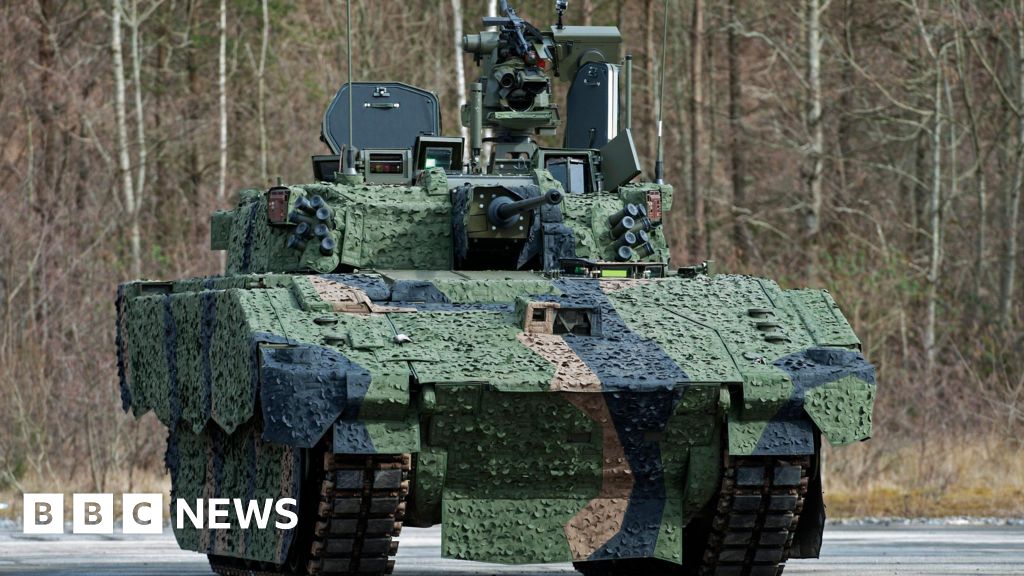
The Ajax programme, initially conceived as a cornerstone of the British Army’s modernisation efforts, has been beset by an extraordinary array of problems and repeated delays. Originally slated to enter service with the British Army in 2017, the programme, which involves an order for 589 vehicles at a staggering cost of £6.3 billion, is now more than eight years behind schedule. This chronic underperformance has led to intense scrutiny from parliamentary committees, defence analysts, and the public alike.
The vehicles, designed to be the "eyes and ears" of the British Army, are intended to provide enhanced intelligence, surveillance, target acquisition, and reconnaissance (ISTAR) capabilities. They are meant to replace the ageing CVR(T) (Combat Vehicle Reconnaissance (Tracked)) fleet, offering a significant upgrade in protection, firepower, and digital integration. However, the promise of the world’s "most advanced, fully digitised, armoured fighting vehicle," as described by General Dynamics, has consistently been undermined by its operational shortcomings.
Prior to the recent illness reports, the Ajax programme was already notorious for a host of critical flaws. Independent reports, including findings from the Defence Safety Authority, highlighted severe issues related to excessive vibration and noise levels within the vehicles. Soldiers reported experiencing debilitating physical effects, including nausea, joint damage, and even permanent hearing loss, after spending time inside the Ajax. These issues were so severe that they rendered the vehicles largely unusable for their intended purpose, as crew members could not effectively operate equipment, communicate, or sustain operations for extended periods without risking injury. The noise levels were reportedly so high that they exceeded safe occupational exposure limits, even with hearing protection. Furthermore, the vibration issues impacted the reliability of onboard electronic systems, affecting the vehicle’s sophisticated sensor and communication suites.
In November, there was a fleeting moment of optimism when it was announced that the vehicles were "finally ready to be deployed" on military operations. At the time, the UK government expressed confidence that NATO allies would even be interested in purchasing the machines, signaling a potential turnaround for the beleaguered project. However, this optimism proved short-lived. Following subsequent issues identified during routine training exercises, the use of the vehicles was once again controversially paused, casting a long shadow over their future. This latest setback has intensified calls for a complete re-evaluation of the programme, with some critics suggesting outright cancellation.
During his visit to Cardiff, where he also participated in the signing of a significant defence deal for Wales, Mr. Healey was pressed extensively on the Ajax project. He articulated his primary concern: "My first duty is to make sure that those armed forces who put their lives on the line to protect us all are not damaged or put at risk by the kit – the systems – we provide so our determination is to continue working with General Dynamics." His statement reflects the profound responsibility of ensuring the safety and well-being of military personnel, which must take precedence over industrial or contractual considerations.
He further elaborated on the MOD’s approach, stating that the objective is to "get to the bottom of the problems once and for all, work out how we fix them, whether we can fix them." This acknowledges the possibility that the issues may be fundamental and potentially unresolvable, a stark admission for a project of this magnitude and investment. Healey reiterated a previous sentiment, emphasizing the critical juncture the programme has reached: "I’ve always said we have to make this project work, we have to back it or scrap it, we’re doing that with General Dynamics at the moment." This clear "back it or scrap it" ultimatum underscores the gravity of the situation and the substantial financial and strategic implications of either path.
Despite repeated questioning regarding a potential timeline for the investigations’ conclusion, Mr. Healey remained evasive. "We’ll complete them just as soon as we can and we will continue to update parliament on the progress we make on that," he stated, offering little in the way of concrete deadlines. This lack of transparency regarding the timeline further fuels frustration among stakeholders, including the affected soldiers, their families, and the taxpayers who have funded the programme.
Beyond the Ajax controversy, Mr. Healey was in Cardiff to announce a substantial UK government investment of £50 million in the defence sector in Wales. The deal, known as the Wales Defence Growth Deal, was signed at Cardiff Castle alongside the Secretary of State for Wales, Jo Stevens, and the Welsh First Minister, Eluned Morgan. This initiative aims to bolster Wales’s role in the UK’s defence capabilities and drive economic growth in the region.
The First Minister, Eluned Morgan, speaking on the broader defence landscape, expressed the Welsh government’s deep concern over the Ajax situation. She stated that they were "very keen to see the [Ajax] situation resolved" due to the significant number of "jobs at stake" in Merthyr Tydfil. Her comments highlight the delicate balance between national defence needs, soldier safety, and the economic well-being of local communities.
According to the MOD, the Wales Defence Growth Deal is designed to transform Wales into a UK "launchpad" for advanced drone technology, positioning the nation at the forefront of uncrewed aerial systems development. It also seeks to simplify and improve access for Welsh businesses to compete for lucrative defence contracts, fostering innovation and creating new opportunities within the sector. A key component of the deal is the establishment of a new defence technical excellence college, slated to open by September 2027. However, specific details regarding its proposed location within Wales were not disclosed, with First Minister Morgan confirming that those discussions were "continuing."

In response to the ongoing scrutiny, General Dynamics UK reiterated its position: "We have confidence in the performance and the protection that Ajax provides our soldiers." A company spokesman further elaborated: "This is the most tested combat vehicle we have ever produced and the world’s most advanced, fully digitised, armoured fighting vehicle." The spokesman concluded by stating: "Since 2019, we have worked with the British Army and the MoD to conduct extensive testing and trials and will continue to do so. Soldier safety remains our highest priority."
The future of the Ajax programme remains highly uncertain. The continued refusal to provide a clear timeline for investigations into the health incidents, coupled with the long history of technical problems and cost overruns, leaves the project in a precarious position. The £6.3 billion investment, the careers of hundreds of workers, and crucially, the health and operational readiness of British soldiers, all hang in the balance as the MOD grapples with one of the most contentious and costly procurement failures in recent British military history. The outcome of these investigations will not only determine the fate of the Ajax vehicles but also send a powerful message about accountability and the standards of equipment provided to those who serve.




 Roy Suryo

 Nakalama John
 atisusanti
