Nana Banana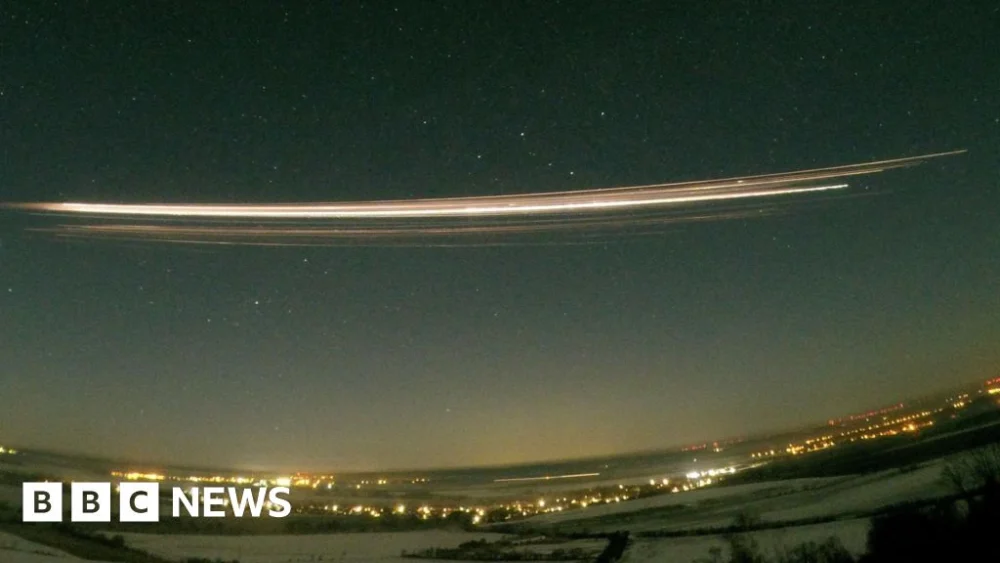
The implications of this discovery are profound, especially given the accelerating pace of space launches. Experts are sounding the alarm, warning that with SpaceX chief Elon Musk’s ambitious plans to deploy millions of satellites in the coming years, this documented contamination could be merely the "tip of the iceberg" in an emerging environmental crisis. The scientific community had already been actively investigating the burgeoning problem of pollution stemming from space debris when fate intervened with the Falcon 9 incident.
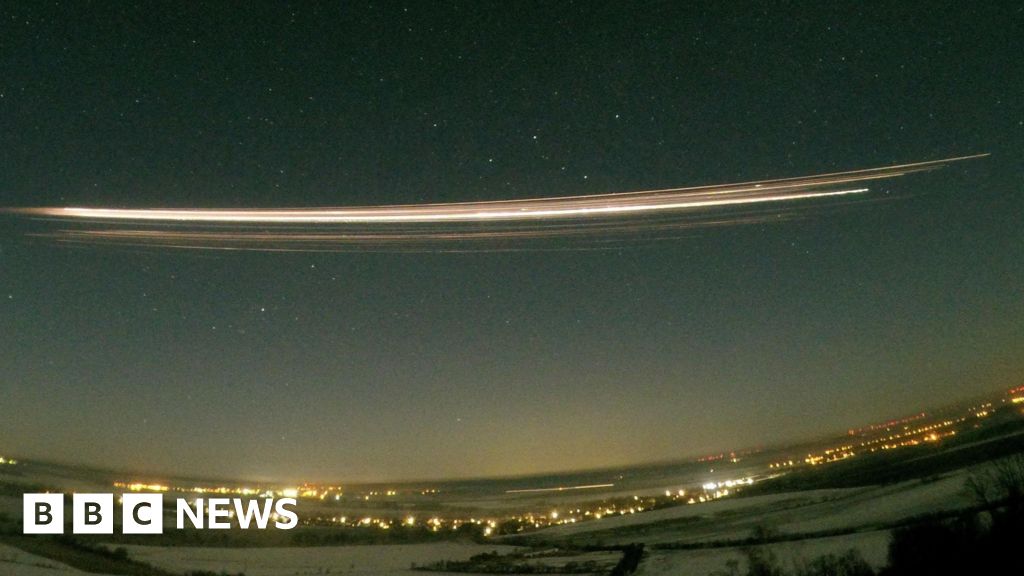
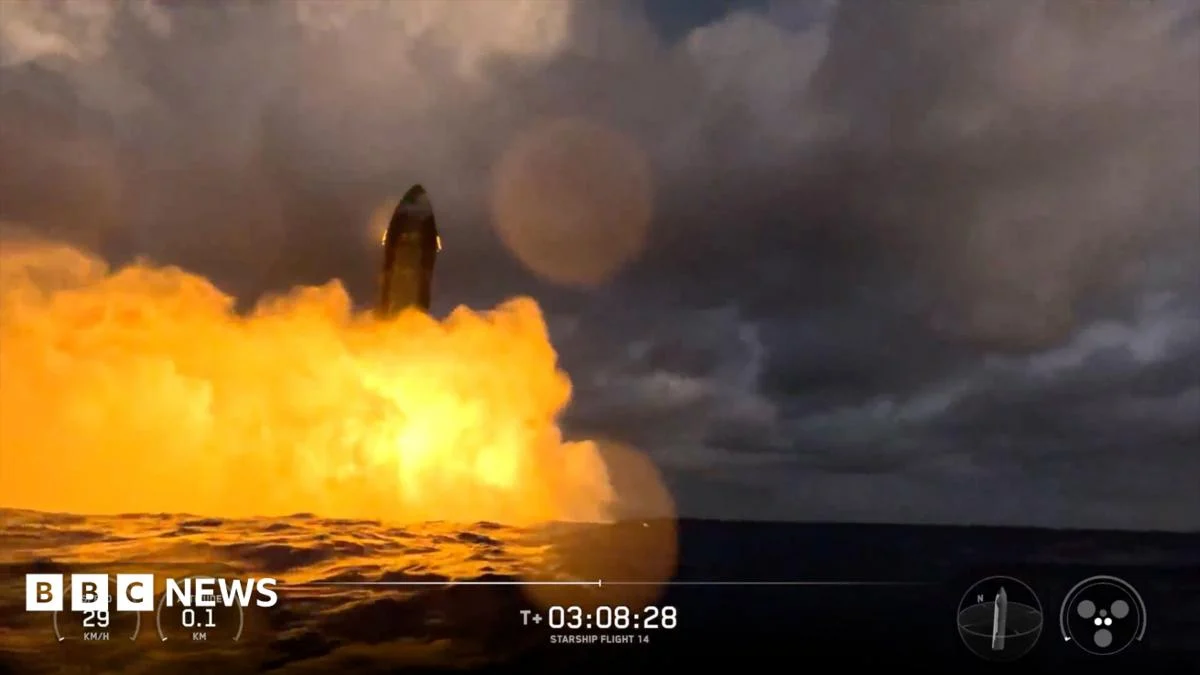
The ill-fated SpaceX Falcon 9 upper stage experienced a failure in flight on February 19, 2025. As it commenced its fiery descent, the rocket vaporized into brilliant fireballs that captivated observers across Ireland, England, and Germany before fragments eventually impacted Earth. A tangible piece of the re-entering rocket, a charred chunk measuring approximately 1.5 meters by 1 meter, was later discovered by Adam Borucki behind his warehouse in Komorniki, Poland, providing a stark reminder of the event’s physical scale.
This incident proved to be a critical opportunity for researchers like Professor Robin Wing at the Leibniz Institute of Atmospheric Physics in Germany. "We saw the news that this rocket had crashed into Poland. It had flown almost directly over us, and we thought, ‘oh, this is a great chance,’" explained Prof. Wing, highlighting the serendipitous timing that allowed his team to capture crucial data.
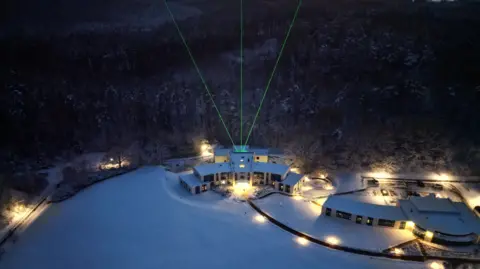
The scientists at the Leibniz Institute, renowned for their work using advanced Lidar (light detection and ranging) lasers to study the stratosphere and mesosphere, quickly turned their instruments towards the sky. These powerful lasers are capable of detecting and measuring the presence of specific metal atoms in the upper atmosphere. The Falcon 9’s structure, like many modern aerospace components, is constructed from advanced aluminium-lithium alloys, chosen for their exceptional strength-to-weight ratio. As the rocket broke apart and superheated during re-entry, these alloys vaporized, releasing their constituent elements into the atmosphere.
Working in collaboration with Professor John Plane at the University of Leeds, the team successfully detected a dramatic spike in atmospheric lithium. Their measurements revealed that the amount of lithium present in the atmosphere at an altitude of approximately 100 kilometers increased by a staggering factor of 10 following the Falcon 9’s re-entry. To put this into perspective, Professor Wing noted that the atmosphere naturally receives only about 50-80 grams of lithium daily from the continuous influx of small meteors. In stark contrast, a single Falcon 9 rocket carries roughly 30 kilograms of lithium. This single event, therefore, injected several hundred times the typical daily natural input of lithium into a concentrated atmospheric region, underscoring the disproportionate impact of human-made space debris.
While the immediate effects of this specific lithium plume are still being studied, the broader implications of such events are a source of significant concern. "Our largest concern is aluminium and aluminium oxides interacting with the ozone layer," Wing stated. When these metal alloys vaporize, they don’t just release elemental lithium and aluminium; they also form oxides. Aluminium oxides, in particular, are known to be highly reactive and could potentially act as catalysts for chemical reactions in the upper atmosphere, including those that deplete ozone.
The long-term consequences of this type of pollution on the delicate chemical balance and physical make-up of Earth’s atmosphere are not yet fully understood, but scientists agree it is unlikely to be benign. The introduction of these metallic particles could disrupt the formation and properties of atmospheric aerosols and polar stratospheric clouds, which play a crucial role in moderating Earth’s climate and temperature. Changes to these atmospheric components could have unforeseen impacts on weather patterns and global climate systems.
"This is a new scientific field. It’s hard to speculate because it’s changing so quickly," Professor Wing admitted, highlighting the unprecedented nature of this challenge. He drew a compelling parallel to the chlorofluorocarbons (CFCs) that were widely used in refrigerants and aerosols last century. CFCs, once thought harmless, were eventually discovered to be potent ozone-depleting substances, leading to the formation of a massive hole in the ozone layer and ultimately prompting an international ban through the Montreal Protocol. The hope is that by initiating rigorous measurements and research now, the scientific community can "get ahead of the curve and identify any potential problems before they become serious," thereby avoiding a repeat of the CFC crisis.
Indeed, earlier research has already suggested that up to 10% of aerosols in the atmosphere are already contaminated by various forms of space debris, even before this direct link to lithium was established. This indicates a pervasive and growing problem that extends beyond single, dramatic re-entry events.
SpaceX, a dominant force in the global space industry, has not yet responded to emailed requests for comment from BBC News regarding these findings. The researchers themselves also sent their findings to the company but similarly received no response. This lack of engagement from one of the primary actors in the space launch sector raises further questions about accountability and responsibility in managing this new form of environmental pollution.
The sheer volume of objects in Earth’s orbit exacerbates the problem. Almost 30,000 pieces of debris are currently calculated to be free-floating in space, ranging from defunct satellites to spent rocket stages and fragments from collisions. This debris is not only a product of launch failures but also results from intentional breakups, accidental satellite disintegrations, and orbital collisions, creating an increasingly congested orbital environment. Scientists universally warn that this growing accumulation of debris poses a significant threat, not only risking collisions with operational rockets, the International Space Station, and active satellites but also increasing the likelihood of more material eventually falling back to our planet.
Elon Musk’s SpaceX leads the world in rocket launches, facilitating everything from human spaceflight missions to the deployment and maintenance of its extensive Starlink internet satellite network, which already numbers over 10,000 operational satellites. Musk recently amplified his ambitious vision, announcing an application to launch an additional one million satellites, primarily to support new artificial intelligence (AI) data centers envisioned for deployment in space. This exponential growth in planned launches and orbital deployments means a corresponding increase in the number of rocket stages, components, and potentially entire satellites that will eventually re-enter Earth’s atmosphere.
Scientists caution that as humanity progressively moves more of its activities and infrastructure off-Earth, a greater volume of material will inevitably fall back to Earth, polluting the atmosphere as it plummets. Recognizing this impending challenge, a collaborative group of researchers from NASA, the University of Plymouth, and the University of Texas last year called on the United Nations to formally include the protection of Earth’s orbital environment in its Sustainable Development Goals.
There is a growing consensus among some scientists that stricter enforcement of existing space treaties and, more importantly, the development of new, comprehensive regulations specifically addressing space debris and its atmospheric consequences are urgently needed. "Space regulations don’t cover the new problems emerging – interference with astronomical observations, risk of collision in orbit, risk of stuff falling on our heads, and now it is becoming clear, atmospheric pollution," articulated Professor Andy Lawrence, an astronomer at the University of Edinburgh. He emphasized the critical disconnect: "The international community is working hard trying to set standards and new regulations, but space commerce is changing faster than we can keep up." This sentiment underscores the formidable challenge of establishing effective governance in a rapidly evolving frontier, where the race to innovate and expand into space often outpaces the capacity to understand and mitigate its environmental repercussions.



 Roy Suryo