Ramos Leo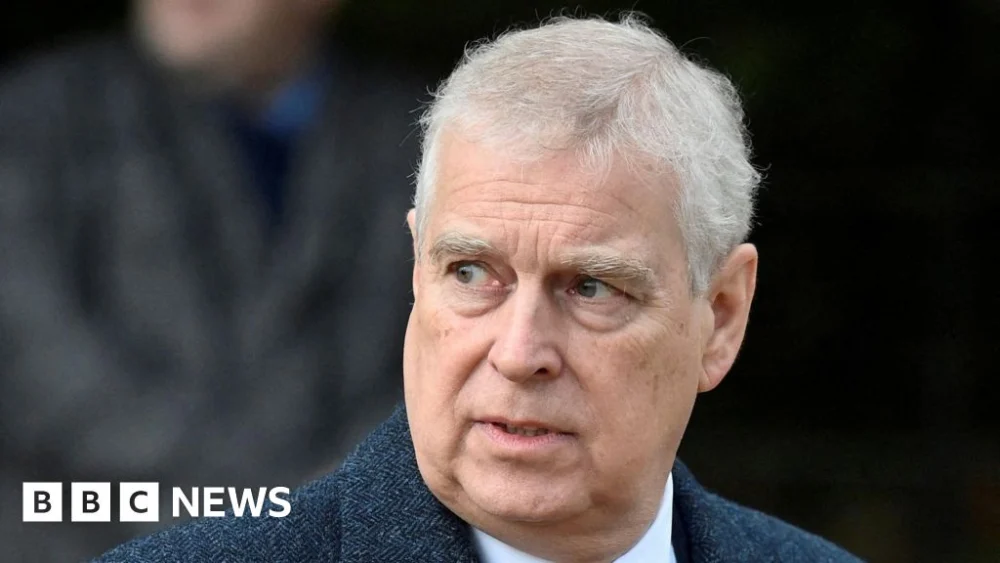
The Business and Trade Committee, a influential cross-party parliamentary body, is poised to convene on Tuesday to initiate a formal inquiry into the operational framework and oversight of UK trade envoys, a move directly spurred by the recent arrest of Andrew Mountbatten-Windsor. The former senior royal was apprehended by Thames Valley Police on Thursday under suspicion of misconduct in public office, a serious charge carrying significant implications for individuals holding positions of public trust. After an intensive 11-hour period of questioning, he was subsequently released under investigation, a legal status indicating that the police inquiry is ongoing and further actions, including potential charges, remain possible.
The core of the allegations against Andrew centres on claims that he disseminated confidential government files during his tenure as a UK trade envoy, a role designed to bolster Britain’s commercial interests abroad. While the parliamentary committee has indicated it will strategically avoid directly scrutinising Andrew’s specific case during the active police investigation, its broader mandate will encompass a comprehensive review of the systemic issues his situation has brought to light. This includes a deep dive into the appointment processes, accountability mechanisms, and general governance surrounding the network of UK trade envoys. The very existence of these allegations, and the ensuing police action, has cast a critical spotlight on how these influential positions are managed and monitored.
Adding another layer of complexity to the unfolding saga, the government has confirmed it is actively considering legislative measures to remove Andrew from the royal line of succession. Currently eighth in line to the throne, this potential legislative intervention underscores the severity with which the authorities and the Palace are treating the cumulative pressures stemming from his ties to convicted sex offender Jeffrey Epstein, as well as the recent arrest. Andrew has consistently denied any wrongdoing in connection with Epstein, and he has not yet publicly responded to the BBC’s specific requests for comment on the fresh allegations that have emerged since the release of millions of previously sealed court documents related to the late financier’s case in January. These documents, unsealed in the United States, have reignited public scrutiny and intensified calls for accountability.
The seriousness of the police investigation was further highlighted by continued activity at Andrew’s former Windsor residence, Royal Lodge, over the weekend. On Saturday, multiple unmarked police vehicles were observed at the sprawling 30-room property, where Andrew had resided for many years. It is understood that Thames Valley Police are expected to continue their search of the extensive estate until at least Monday, indicating a thorough and methodical approach to gathering evidence pertinent to their misconduct in public office inquiry. The prolonged search suggests that investigators believe there may be significant material to be found within the property that could shed light on the allegations.
The discussions by MPs on the Business and Trade Committee will therefore transcend the immediate circumstances of Andrew’s arrest to address potential structural weaknesses within the trade envoy system. The inquiry is expected to commence with a broad focus on possible governance deficiencies, including the criteria for selecting envoys, the training and briefings they receive, the protocols for handling sensitive information, and the mechanisms in place for reporting and addressing potential conflicts of interest or breaches of conduct. The aim is to ensure the integrity and effectiveness of a network vital to the UK’s global economic strategy.
The government website proudly asserts that the 32 current UK trade envoys, spread across six continents, play "a crucial role in supporting the Department for Business and Trade’s growth priorities." Their responsibilities are extensive and varied, encompassing high-level engagement with host governments, leading significant trade delegations, and fostering relationships with businesses both overseas and within the UK. These roles often involve access to sensitive economic data, diplomatic strategies, and insights into government policy, making the integrity of their conduct paramount. The potential for such information to be misused, as alleged in Andrew’s case, poses a considerable risk to national interests and international relations.
Liam Byrne, the chair of the Business and Trade Committee, had earlier signalled the gravity of the situation, stating that MPs would specifically discuss a potential investigation into Andrew’s conduct during his time in the role. Byrne emphasised that members of Parliament are taking these allegations "acutely seriously," reflecting the profound concern within Westminster regarding the potential implications for Britain’s reputation and its diplomatic efforts. The allegations are not merely about an individual, but about the trust placed in those representing the nation on the global stage.
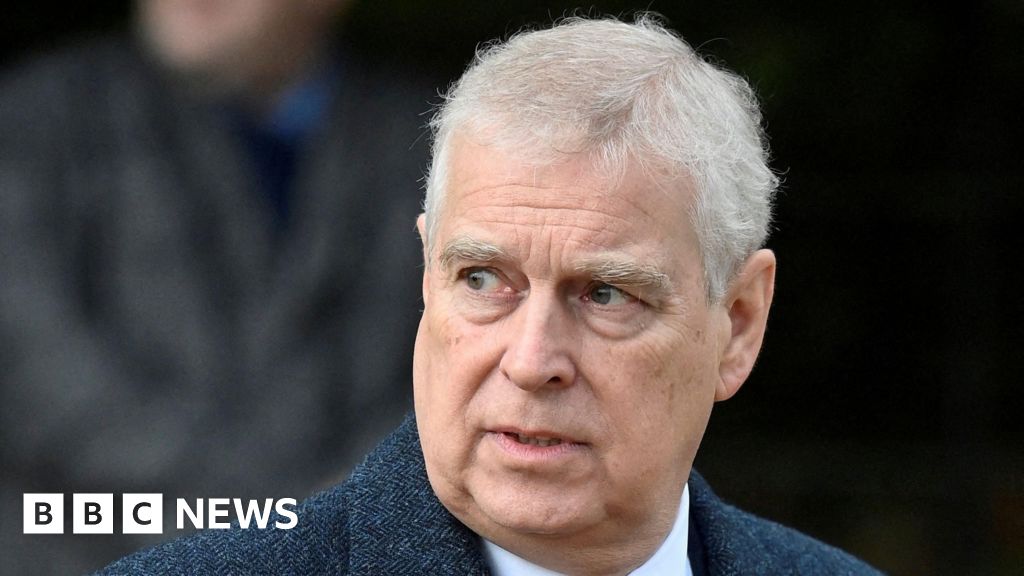
Among the specific claims that have emerged from the latest tranche of Epstein-related files are allegations that Andrew forwarded government reports detailing his visits to Vietnam, Singapore, and China directly to Epstein in 2010. If substantiated, these actions would represent a severe breach of protocol and potentially national security, as such reports often contain confidential assessments of geopolitical landscapes, economic opportunities, and sensitive diplomatic discussions. The idea that such information could have been shared with a convicted sex offender, whose own dealings were highly questionable, has sparked outrage and alarm across the political spectrum.
The scandal’s potential impact on the wider Royal Family has also become a prominent talking point. Speaking exclusively to Sunday with Laura Kuenssberg, former Prime Minister Boris Johnson offered his perspective, describing the monarchy as an "amazingly resilient institution." He added, "It has an unshakable place in the hearts of British people. It will go on, it will recover from all of this." This sentiment reflects a broader hope that the institution can weather this particular storm, much as it has faced other challenges throughout its history.
Further underscoring the political will to address the situation, Defence Minister Luke Pollard, speaking on BBC Radio 4’s Any Questions programme, unequivocally stated that removing Andrew Mountbatten-Windsor from the royal line of succession was the "right thing to do," irrespective of the ultimate outcome of the ongoing police investigation. Pollard confirmed that the government has been collaborating with Buckingham Palace on these proposed plans and expressed optimism that such a move would garner cross-party support in Parliament. This coordinated approach between government and Palace suggests a united front in managing the crisis.
Any legislative action to alter the line of succession would necessitate an Act of Parliament, a complex legal process requiring approval from both the House of Commons and the House of Lords, followed by Royal Assent from the reigning monarch, King Charles III. Furthermore, for such a change to be fully effective and universally recognised, it would also require the endorsement of the 14 Commonwealth realms where the King serves as head of state. This international dimension adds significant diplomatic hurdles to what is already a constitutionally sensitive undertaking.
Historical precedent for such a dramatic parliamentary intervention is rare but exists. The last instance of an individual being removed from the line of succession by an Act of Parliament occurred in 1936, when the former Edward VIII and his descendants were excluded following his abdication. This historical context illustrates the extraordinary nature of the proposed action, reserved only for moments of profound constitutional or reputational crisis.
Significantly, the Liberal Democrats and the Scottish National Party (SNP) have both publicly declared their support for any government legislation aimed at removing Andrew from the royal line of succession. This cross-party consensus suggests that the political will to enact such a measure is robust, reflecting a widespread belief that the integrity of the monarchy and public trust must be upheld.
Following the latest revelations and intensified public debate, historian David Olusoga told BBC Newsnight that there is now "a desperate desire within government and within the palace to draw a firewall… between this crisis and the wider monarchy." This assessment highlights the strategic imperative to isolate Andrew’s predicament from the institution as a whole, protecting the Crown from further damage and preserving its standing with the British public and globally. The upcoming parliamentary inquiry into trade envoys will be a crucial step in demonstrating accountability and reassuring the public about the standards of conduct expected from those representing the United Kingdom.


 Roy Suryo
 Nakalama John
 atisusanti