
 Ramos Leo
The "Plan 2" loan system itself emerged from a pivotal moment in UK higher education policy. It was introduced by the Conservative-Liberal Democrat coalition government in 2012, a decision that controversially coincided with the tripling of university tuition fees from a maximum of £3,290 to £9,000 per year in England. The stated rationale behind this dramatic increase was to ensure the long-term financial sustainability of universities and to shift a greater proportion of the cost of higher education onto the beneficiaries – the graduates themselves – who were expected to reap the rewards of higher lifetime earnings. The system was designed with a progressive repayment mechanism: graduates would only begin repaying their loans once their income surpassed a certain threshold, and any outstanding debt would be written off after 30 years. While this offered a safety net for lower earners, the substantial increase in the initial debt amount, coupled with a complex interest rate structure, quickly became a source of widespread concern and financial anxiety for students and their families. This historical context is crucial to understanding the current political debate and the urgency with which all major parties are now addressing the issue of student debt.
Under the prevailing Plan 2 framework, the interest rate calculation is a two-tiered system: it comprises the Retail Prices Index (RPI), which is a measure of inflation, plus an additional margin of up to 3%. This extra percentage is not static; it scales with a graduate’s income, meaning that those earning above the repayment threshold face the highest interest rate, effectively RPI + 3%. RPI, which tends to be higher than other inflation measures like the Consumer Price Index (CPI), already ensures a significant rate of interest accrual. Badenoch’s sharp critique of this system as a "scam" resonates deeply with many graduates who feel trapped by a spiralling debt that, in many cases, appears to grow faster than their ability to pay off the principal. She articulated her dismay, noting, "I am horrified at what graduates today are dealing with, and this is one of the reasons millions of young people feel they’ve been stitched up." This sentiment reflects a pervasive belief that a system designed to be fair and progressive has instead become punitive, particularly for those who do not immediately secure high-paying jobs or who pursue careers in lower-paying sectors. Capping the interest at RPI only would theoretically slow the rate of debt accumulation, making the loans more manageable and increasing the likelihood that graduates could repay their debts within the 30-year term, rather than seeing a significant portion written off due to unmanageable interest.
The Conservative proposal has predictably drawn a robust reaction from the Labour Party, who are currently positioned as the frontrunners in national opinion polls. Education Secretary Bridget Phillipson, while acknowledging the imperative for reform and expressing a desire for "a fairer system for students and for graduates," was quick to highlight what she perceived as hypocrisy in the Conservatives’ sudden concern. Speaking on the BBC’s Sunday with Laura Kuenssberg, Phillipson found it "galling" to observe the Conservatives lamenting a system that their own government had not only established but actively overseen for over a decade. She emphasised that despite its "flaws," the existing system was unequivocally "the Conservatives left behind." Shadow Chancellor Rachel Reeves offered a different approach to alleviating student debt, suggesting that the most effective strategy would involve broader economic policies focused on lowering inflation. Her argument posits that a significant reduction in RPI through sound economic management would naturally decrease the interest burden on graduates, thereby avoiding the need for specific legislative alterations to the loan terms. This approach frames student debt relief within a wider economic stability narrative, asserting that a strong economy benefits all, including graduates burdened by loans.
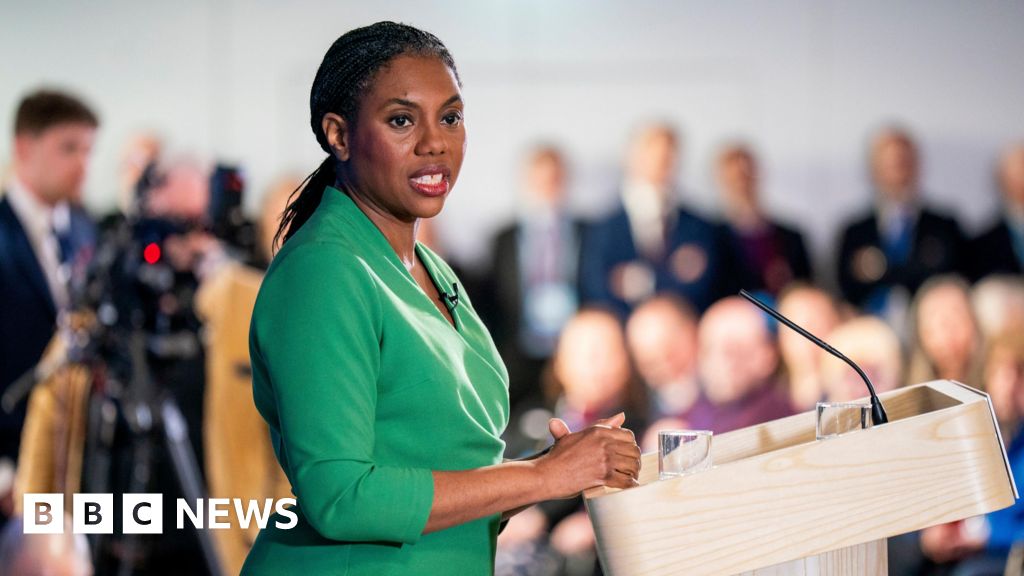
Further details regarding the Conservative Party’s broader educational reform agenda were presented by Shadow Education Secretary Laura Trott, also appearing on Sunday with Laura Kuenssberg. Trott’s proposals extended beyond mere interest rate cuts, revealing a more radical plan to "stop the Government funding dead-end university courses." When pressed for specifics, Trott controversially cited creative arts courses as an example, asserting that approximately 75% of loans for these subjects are "not paid back." This statement immediately sparked a heated debate about the intrinsic value of different academic disciplines, the role of higher education, and the government’s authority to dictate educational choices. Trott acknowledged the difficulty of such decisions but insisted they were "the right ones to be making to help young people secure work." She firmly declared, "We’d have to look at the effect on the whole system, but I refuse to keep funding degree courses which are not delivering for young people." This stance suggests a more utilitarian and interventionist approach to higher education funding, prioritising direct employment outcomes and economic utility over broader educational enrichment, academic freedom, or the societal contributions of the humanities and arts. Critics immediately raised concerns that such a policy could disproportionately affect students from disadvantaged backgrounds, limit access to diverse fields of study, and undermine the fundamental purpose of a comprehensive university system. The potential impact on social mobility, regional economies reliant on arts and culture, and the diversity of the UK’s intellectual landscape makes this one of the most contentious aspects of the Conservative platform.
The operational mechanics of the Plan 2 loan system, which was introduced in September 2012 and phased out across England in 2023 (though it remains active in Wales), are straightforward yet carry profound long-term implications for graduates. Repayments commence once a graduate’s annual income exceeds a specified threshold, which is currently £28,470. Graduates are then required to pay approximately 9% of any income earned above this threshold. These payments are largely deducted automatically through the tax system, mirroring the process for National Insurance contributions. This automatic deduction means that many graduates directly feel the impact of their loan repayments on their monthly paycheques, often without a full understanding of how the interest accrual is affecting their overall debt balance. Compounding this financial pressure, the government recently announced that the Plan 2 repayment threshold would be frozen at £29,385 for three years, beginning in April 2027. This policy, known as "fiscal drag," means that as wages potentially rise with inflation, more individuals will find themselves earning above the static threshold, or those already repaying will see a larger proportion of their income subjected to the 9% deduction. In real terms, this effectively increases their repayments and lengthens the time it takes to clear their debt. While framed as a necessary measure for fiscal prudence, this freeze has drawn widespread criticism for placing an additional, often hidden, burden on graduates, forcing more workers into making larger repayments than would occur if the thresholds had continued to rise in line with inflation or average earnings.
This surge of proposals surrounding student finance arrives at a pivotal moment in UK politics, with a general election imminent and the pervasive cost of living crisis dominating public discourse. Student debt has evolved into a significant intergenerational grievance, with younger generations often feeling that the current system places them at a distinct disadvantage compared to previous cohorts who benefited from free or significantly cheaper university education. This widespread sentiment generates immense political pressure on all parties to present viable and appealing solutions. Beyond the Conservatives and Labour, the Liberal Democrats have also entered the fray, advocating for a comprehensive overhaul of the student finance system with distinct, targeted relief measures. Crucially, the Liberal Democrats propose a section of student debt be written off for public sector workers, such as nurses, doctors, and teachers, after a decade of dedicated service. This policy aims to both incentivise and reward individuals pursuing vital public service careers, acknowledging their immense societal contribution and addressing the challenges of recruitment and retention in these sectors. Furthermore, their plan includes proposals to halve monthly repayments within three years for graduates earning £35,000, offering substantial immediate financial relief to many mid-career professionals. To tackle concerns about access and equity, the party also pledges to reintroduce maintenance grants of £3,500 for disadvantaged students, a policy abolished by the Conservative government in 2016, aiming to alleviate the upfront financial burden and living costs for those from lower-income backgrounds. These diverse and often contrasting proposals underscore a broad political consensus that the current student loan system is fundamentally flawed and urgently requires reform. However, significant divergences remain on the preferred solutions, their underlying philosophies, and their potential economic and social impacts. The debate over student finance is therefore set to intensify, becoming a key battleground as parties vie for the support of millions of graduates, prospective students, and their families in the run-up to the next general election.



 Roy Suryo

 Nakalama John
 atisusanti
