Nana Banana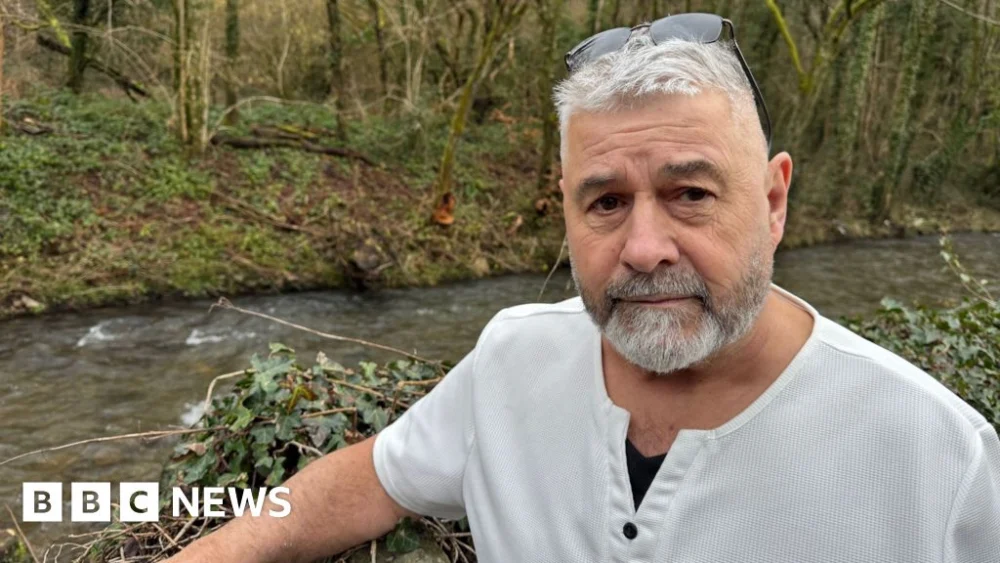
In a landmark decision reflecting the escalating challenges of climate change and flood risk in Wales, Rhondda Cynon Taf Council has approved a radical plan to purchase and demolish 16 homes on Clydach Terrace in Ynysybwl. This drastic measure comes as residents of the street have endured years of terror and devastation from repeated flooding events, most notably during the catastrophic Storms Dennis and Bert. The local authority has committed £2.57 million to acquire the properties, offering a permanent escape route for families living in what has been deemed a "unique risk of significant flooding" zone from the adjacent Nant Clydach stream.
The announcement brings a bittersweet sense of relief to a community that has lived on the precipice of disaster for too long. Clydach Terrace, nestled in the scenic yet vulnerable landscape of Rhondda Cynon Taf, has borne the brunt of increasingly severe weather patterns. During Storm Dennis in February 2020, the street was transformed into a raging torrent, with homes inundated and extensively damaged. Just months later, Storm Bert delivered another cruel blow, reaffirming the dire vulnerability of the properties and the inadequacy of existing flood defences. The images of cars submerged up to their windows, streets turned into rivers, and the desperate efforts of residents to protect their homes have become all too familiar, etching a deep sense of trauma into the collective memory of the neighbourhood.
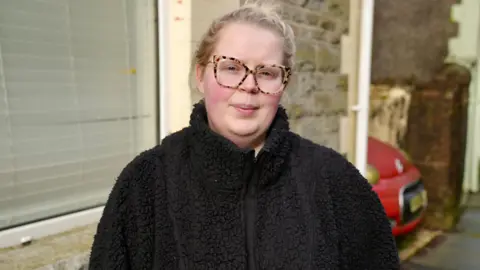
For residents like Paige Didcote, a 27-year-old ambulance service worker, the decision marks the end of a relentless battle against anxiety. "My anxiety levels are definitely through the roof," she confessed, describing the constant dread that accompanies every weather warning. The fear is particularly acute when she and her partner are at work, often an hour’s commute away, leaving their dogs at home. "If there is a flood warning and our dogs are in the house, it terrifies us," she explained, highlighting the profound emotional toll that extends beyond property damage to the welfare of beloved pets. This pervasive fear is amplified for other families on the street who have children and grandchildren, making the prospect of evacuation and disruption even more complex and distressing. The council’s intervention, therefore, represents not just a practical solution but a desperately needed psychological reprieve.
The council’s cabinet, after careful consideration of a comprehensive report detailing the risks and potential solutions, formally approved the acquisition plan. The £2.57 million budget allocated for the project is intended to cover not only the purchase of the 16 homes at numbers 1-16 Clydach Terrace but also incidental costs associated with the compulsory purchase process, essential relocation assistance for residents, and all necessary legal fees. This holistic approach aims to facilitate a smooth transition for the affected families, recognising the immense disruption and emotional burden involved in leaving their homes. Notably, numbers 6a and 6b Clydach Terrace have been excluded from the proposal due to their elevated position, which places them at a significantly lower risk of flooding compared to their neighbours. This distinction underscores the highly localised nature of the flood risk and the precision of the council’s intervention.
A critical factor underpinning the council’s decision was the assessment by Natural Resources Wales, the environmental body responsible for flood risk management. Their expert analysis concluded that constructing a raised flood defence wall along the Nant Clydach tributary, while a theoretical solution, was simply "not economically viable." This finding effectively ruled out traditional engineering solutions, leaving managed retreat as the most pragmatic and responsible course of action. The existing wall, which currently separates the stream from the street, has proven insufficient against the increasing volume and velocity of floodwaters, failing to protect homes from the relentless deluges experienced in recent years. The long-term cost of repeatedly repairing homes, coupled with the unquantifiable human cost of stress and danger, far outweighed any potential investment in a defence system that would likely be overwhelmed again.
The cabinet report painted a stark picture of life on Clydach Terrace, detailing how the pavement and highway were routinely submerged during major weather events, leading to extensive damage to properties. Beyond the immediate destruction, the report highlighted the compounding difficulties faced by residents, particularly in obtaining affordable home insurance. Insurers, increasingly wary of properties in high-risk flood zones, either refuse cover or demand exorbitant premiums, trapping homeowners in a cycle of vulnerability and financial precariousness. Crucially, the report emphasised the "significant risk to health and danger to life" posed by continued residency in the area, a chilling assessment that ultimately sealed the fate of Clydach Terrace.
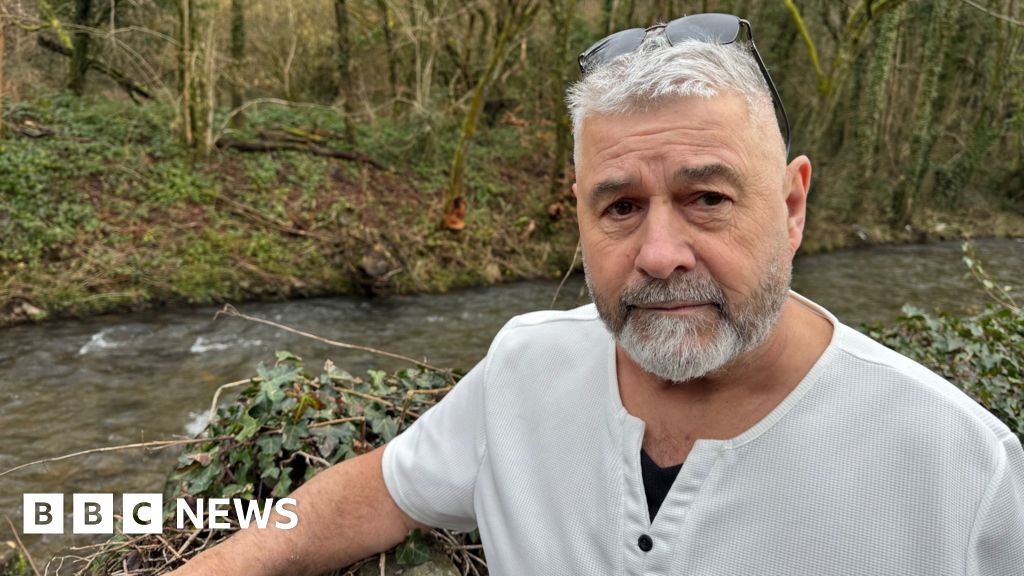
For Paul Thomas, a 66-year-old who has called Clydach Terrace home for four decades, the memory of Storm Dennis is still vivid and terrifying. "A wave came up the street and knocked me off the step," he recounted, describing how he was swept across the road towards the river. "I would have gone into the river and down the tunnel and that would have been the end of me." His harrowing struggle to save himself, pulling on pipes attached to houses to prevent being dragged away by the powerful current, underscores the sheer force of the floodwaters capable of breaking doors and windows. This near-death experience left an indelible mark, solidifying his belief that leaving is not just an option, but a necessity. "It’s our only option," he stated, echoing the sentiments of many of his neighbours.
However, the prospect of relocation is tinged with profound sadness for Paul. His daughter lives next door, and his grandson and daughter-in-law reside on the other side, forming a close-knit family unit that will now be dispersed. "My grandson is devastated," he shared, highlighting the emotional impact on the younger generation who are forced to confront the loss of their childhood home and the fracturing of their immediate community. While he has "resigned ourselves to the fact that we’ve got to go," the uncertainty of finding new homes, particularly neighbouring ones, weighs heavily. "We know that’s all going to change," he mused, reflecting on the inevitable shift in family dynamics and the profound sense of loss that accompanies such a forced displacement. The street, once a vibrant neighbourhood, has become a symbol of climate change’s human cost. Sandbags permanently adorn the entrances of many homes, a constant, grim reminder of the ever-present threat.
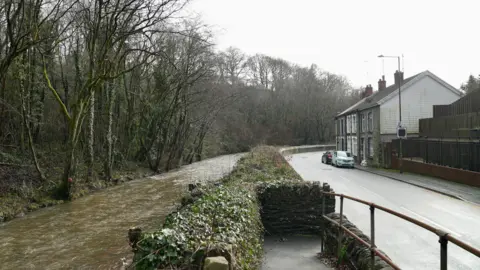
Once the properties are acquired and residents have relocated, the council report confirms that the homes will be demolished. This physical removal of structures will not only eliminate the immediate flood risk posed by the buildings themselves but will also allow for a more strategic approach to land management in the area, potentially creating a buffer zone or natural flood plain to mitigate future incidents. The demolition represents a definitive break from the past, symbolising the community’s painful but necessary retreat from an unsustainable living situation.
The psychological burden on the residents has been immense. "We watch a weather report and our whole world crumbles around us," Paul explained, articulating the constant vigilance and dread that has consumed their lives. "It’s taken a toll on our health if I’m perfectly honest with you – it’s taken over our lives." The inability to relax, the perpetual anxiety about the next storm, and the constant fear for their safety have eroded their quality of life. The council’s decision, therefore, is seen as the only viable path to restoring peace of mind. "As soon as we’re able too, we’ve got to go," he reiterated, a sentiment driven by an overwhelming desire for safety and stability.
Both Paul and Paige acknowledged the uncertainty surrounding the financial aspects of the buy-out. While the council has committed a substantial sum, the exact amount each homeowner will receive remains to be confirmed. "A lot of people are speculating we’re going to get a tremendous amount of money – it doesn’t work like that," Paul clarified, managing expectations about the compensation. The primary goal for residents is not financial gain but securing a safe and stable future. Paige, despite the upheaval, expressed a strong desire to remain within the local area, underscoring the deep roots and community ties that bind them to Ynysybwl. "No plan at the moment, no figures at the moment – I do love the area, it’s just a shame that the river is across the road," she concluded, her words capturing the bittersweet essence of this forced migration, a stark reminder of the growing imperative for communities to adapt to a changing climate. The bulldozing of Clydach Terrace is a powerful, if tragic, testament to the irreversible impacts of environmental change and the difficult choices facing local authorities in protecting their citizens.


 Roy Suryo