
 Roy Suryo
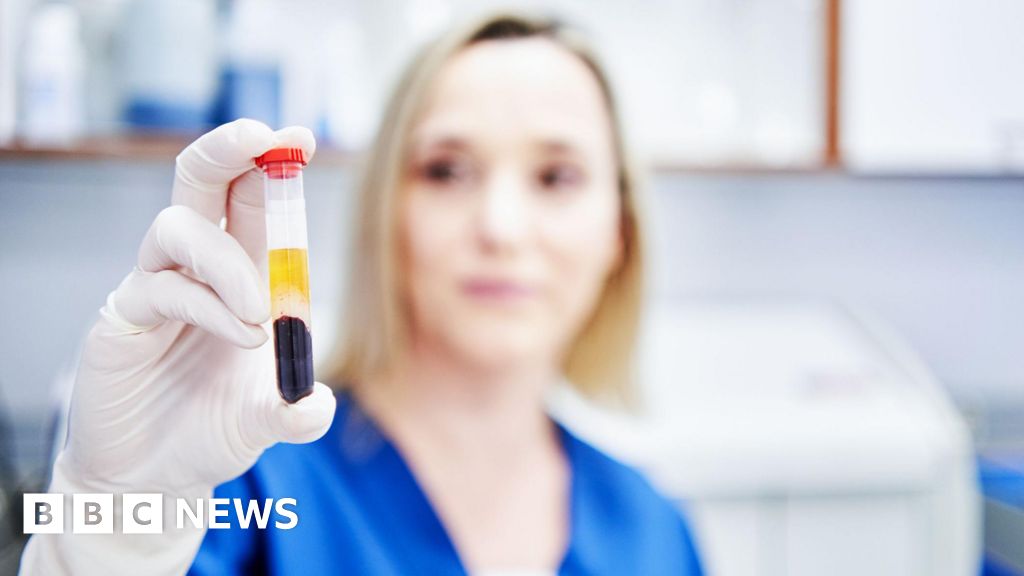
A highly anticipated blood test designed to detect up to 50 types of cancer in their earliest stages has fallen short of its primary objective in a significant NHS trial, according to an announcement by the company behind the technology. The Galleri test, which analyzes fragments of cell-free DNA shed by tumors into the bloodstream, was trialled on 142,000 NHS patients with the ambitious goal of revolutionizing cancer detection and ultimately saving lives by identifying malignancies before symptoms manifest. Despite missing its main target, the company, Grail, highlighted positive trends suggesting the test could still play a crucial role in preventing some of the most aggressive and deadly forms of cancer. However, researchers and health officials remain cautious, emphasizing that the true impact on patient outcomes and mortality rates needs further rigorous evaluation.
The promise of the Galleri test lies in its ability to identify circulating tumor DNA (ctDNA), tiny pieces of genetic material released from cancerous cells into the bloodstream. By detecting these molecular signals, the test aims to provide an early warning for a broad spectrum of cancers, many of which are notoriously difficult to diagnose in their nascent stages. When the trial commenced, NHS England hailed the initiative as "the beginning of a revolution" in cancer screening, envisioning a future where routine blood tests could preempt the devastating consequences of late-stage diagnoses. The trial’s design focused on determining whether this proactive screening approach would lead to a reduction in the number of cancers being identified at stages three and four, periods when tumors have begun to spread locally or to distant organs, respectively, making treatment considerably more challenging and often less effective.
The comprehensive data from the three-year NHS trial has not yet been formally published, but Grail has provided an update to its investors, revealing that "while there was a trend towards reduction in combined stage three and four [cancers], the trial did not meet the primary endpoint." This news had a palpable impact on Grail’s market valuation, with the US pharmaceutical company experiencing a halving of its market value shortly after the announcement, pushing its share price back to levels not seen since late summer. This setback underscores the complexities and stringent requirements of clinical trials, particularly for technologies aiming to fundamentally alter established diagnostic paradigms.
Despite the failure to meet the primary endpoint, Grail pointed to a secondary analysis that showed a notable reduction in stage four cancers alone, approximately by a fifth, within the study group. This finding has been interpreted by some as a significant indication that the test might be particularly effective at catching the most advanced and life-threatening cancers earlier. Professor Charles Swanton, who is leading the trials within the NHS, expressed considerable optimism about this specific result, stating he was "genuinely very excited" by the observed decrease in stage four diagnoses. He elaborated on the critical importance of this finding, noting that in his two decades of experience in oncology, reducing the incidence of stage four cancers, which are often incurable, is paramount to improving survival rates.
However, this interpretation is not universally shared, and a significant debate has emerged within the scientific and medical communities regarding the weight that should be given to this secondary finding when the primary objective of the trial was not met. Critics and some independent experts argue that the trial’s design and its primary endpoint were specifically established to assess the overall benefit of the test in reducing late-stage diagnoses. Focusing on a subset of the data, even if promising, without the validation of the primary endpoint, leaves the broader implications of the test’s efficacy for population-level cancer reduction in question.
Professor Richard Houlston from the Institute of Cancer Research has voiced a more cautious perspective, emphasizing the need for more comprehensive data before definitive conclusions can be drawn. He stated, "Without mortality data and a transparent account of harms, including false positives, unnecessary procedures, and opportunity cost, claims of population benefit from multi-cancer early detection remain speculative." This highlights a critical aspect of any new screening technology: not only must it demonstrate efficacy in detecting disease but also a net benefit to public health, which includes minimizing the potential for overdiagnosis, unnecessary anxiety, and invasive follow-up procedures resulting from false-positive results. The "opportunity cost" refers to the resources and attention that might be diverted from established and proven cancer screening methods towards a new technology that has yet to demonstrate its full value.
The full dataset from the NHS trial is slated for presentation at a prominent medical conference, the American Society of Clinical Oncology, later this year. This forthcoming presentation is eagerly awaited as it is expected to provide a more detailed and in-depth analysis of the trial’s findings, potentially shedding further light on the test’s performance and its implications for future cancer care strategies. The scientific community will be scrutinizing the methodology, the statistical analyses, and the specific outcomes reported to better understand the true potential and limitations of the Galleri blood test.
In response to the trial’s results, an NHS spokesperson acknowledged the significance of the findings, stating, "This evidence is an important step and the NHS will carefully study the full results from this major trial in the coming months to help determine how blood tests like this could be used in the future." This indicates a measured and considered approach by the National Health Service, which is committed to evidence-based decision-making. The NHS will undoubtedly be weighing the potential benefits of earlier cancer detection against the costs, logistical challenges, and the need for robust validation before potentially integrating such a test into its widespread screening programs. The journey from a promising laboratory technology to a standard clinical tool is often long and arduous, requiring not only scientific validation but also careful consideration of its real-world applicability and impact on patient populations. The Galleri test, while not meeting its primary goal in this crucial NHS trial, remains a subject of intense interest, and its future role in the fight against cancer will depend on further data and ongoing research.




 Nakalama John
 atisusanti
 Ramos Leo
