
 Ramos Leo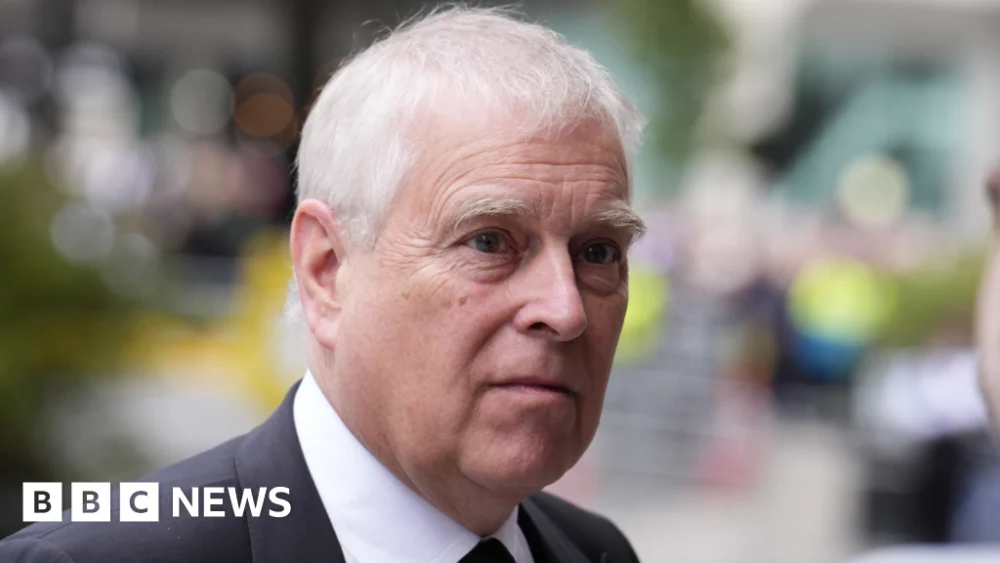
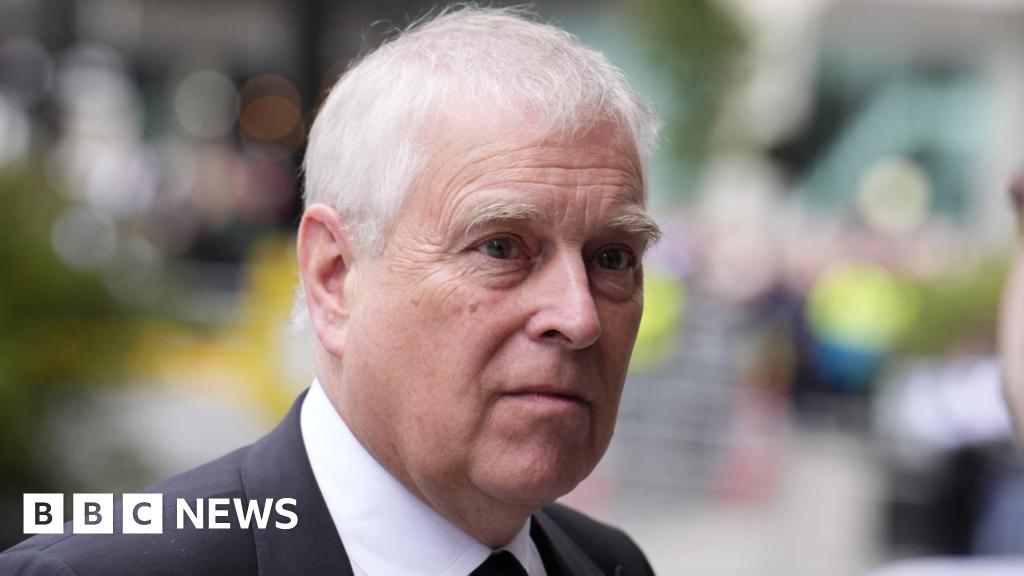
The Liberal Democrats are launching a determined parliamentary offensive to compel the government to release all documents pertaining to Andrew Mountbatten-Windsor’s controversial appointment as a UK trade envoy, following his recent arrest on suspicion of misconduct in public office. The party plans to table a powerful motion in the House of Commons on Tuesday, aiming to force ministers to unveil files relating to his 2001 appointment, including crucial details about the vetting and due diligence processes undertaken at the time. This move comes amidst heightened scrutiny of the former senior royal’s past conduct and associations, particularly in the wake of renewed revelations from US files related to the late disgraced financier Jeffrey Epstein.
Adding significant weight to the party’s push, Liberal Democrat leader Sir Ed Davey has publicly apologised for his own past support of Andrew’s role as trade envoy. He stated that he did not possess the information then that he does now, acknowledging the gravity of the allegations that have since emerged. This mea culpa underscores a broader shift in political sentiment and a growing demand for transparency regarding the circumstances surrounding Andrew’s decade-long tenure in the influential position.
Andrew Mountbatten-Windsor, who was a working member of the Royal Family at the time, was arrested last week on suspicion of misconduct in public office. He has since been released on bail pending further investigation, a development that has sent shockwaves through the political establishment and reignited calls for accountability. The police had previously indicated they were considering an investigation into his association with Epstein and were reviewing allegations that he shared confidential material. These allegations gained fresh urgency following the January release of the latest tranche of US court documents related to Epstein, which included claims that Andrew had forwarded sensitive government reports from his official visits to countries such as Vietnam, Singapore, and China directly to Epstein in 2010. Such an act, if proven, would represent a severe breach of trust and potentially compromise national security and diplomatic relations. Andrew has not responded to the BBC’s requests for comment on these specific allegations, though he has consistently denied any wrongdoing in relation to Epstein in the past.
The role of "special representative for international trade and investment," which Andrew held from 2001 until 2011, afforded him unparalleled access to senior government officials and influential business contacts across the globe. This position, designed to promote British economic interests, inherently carried a high degree of trust and responsibility. The allegations of sharing sensitive government information with a convicted sex offender like Epstein raise profound questions about the vetting procedures in place for such high-profile appointments, especially when involving members of the Royal Family. The privileged access granted through this role, combined with the nature of the allegations, has intensified public and parliamentary demand for a full accounting.
Under the banner of what they term a "broader principle" of parliamentary scrutiny, the Liberal Democrats intend to use their allocated debating time on Tuesday to initiate a Commons vote on a "humble address." This is a rarely used but potent parliamentary mechanism that, if passed, would formally compel ministers to release the requested information. The text of the Lib Dem motion explicitly requests "all papers relating to the creation of the role of Special Representative for Trade and Investment and Andrew Mountbatten-Windsor’s appointment to that role." Furthermore, it specifically seeks "minutes of meetings and electronic communications regarding the due diligence and vetting" conducted prior to and during his appointment.
A key focus of the motion is also to obtain "any correspondence from Lord Mandelson relating to the appointment." Reports have suggested that Lord Mandelson, a former Labour minister and European Commissioner, played a significant role in pushing for Andrew’s appointment despite alleged concerns being raised about his suitability at the time. Unveiling this correspondence could shed light on the political pressures and internal discussions that underpinned the decision-making process.
Traditionally, parliamentary rules have restricted criticism or even direct mention of members of the Royal Family within the Commons. However, the unique circumstances surrounding Andrew Mountbatten-Windsor, who is no longer an active working royal, are expected to allow for comments on his actions. Nevertheless, MPs will likely be reminded to exercise caution and avoid any statements that could prejudice the ongoing police investigation, adhering to the sub judice rule.
Sir Ed Davey articulated the party’s motivation, stating, "The public is rightly demanding to know" how Andrew was appointed to such a sensitive role. He emphasised the fundamental democratic principle at stake: "No one, regardless of their title or their friends, should be beyond the scrutiny of Parliament." Speaking on BBC Radio 4’s Today programme, Sir Ed criticised what he called "old-fashioned" rules that prevented MPs from properly scrutinising members of the Royal Family.
His apology for his past defence of Andrew’s role was particularly striking. In 2011, when he served as a business minister, Sir Ed had publicly praised Andrew for doing an "excellent job" as trade envoy and had dismissed concerns surrounding him as mere "innuendo." Reflecting on those comments, he stated, "First of all can I apologise to all those victims of Epstein who may have read those words and been upset by them. I really regret them." He attributed his past stance to not being "really over the brief" at the time and highlighted a systemic issue: "No MP mentioned Epstein in that debate and I think that tells a tale about how Parliament and MPs don’t hold the Royal Family, didn’t hold [the former] Prince Andrew in that really privileged position, properly to account." This introspection from a prominent political leader underscores a significant shift in the public and political discourse surrounding the Royal Family and their accountability.
The government’s response to the Liberal Democrats’ motion has been cautious. Education Secretary Bridget Phillipson, speaking on the Today programme, indicated that the government was "not against" publishing material of public interest. However, she stressed the delicate balance that needs to be struck: "The balance that we have to strike however is, given that there is an ongoing police investigation, we wouldn’t want to jeopardise their work and we do have to tread with care here." This position suggests a willingness to consider transparency but within the constraints of legal propriety and the need not to impede law enforcement.
Beyond the immediate focus on Andrew’s appointment, the broader issue of governance within the UK’s trade envoy system is also under review. MPs on the business and trade committee are scheduled to meet this week to deliberate on whether to launch a wider parliamentary investigation into the appointment of UK trade envoys. While any such inquiry would initially concentrate on systemic governance issues, it is almost inevitable that Andrew Mountbatten-Windsor’s case would feature prominently as an example of potential failings.
In a related development, ministers confirmed on Monday that a first batch of documents related to Lord Mandelson’s involvement in appointments and lobbying would be released in "early March." This broader release of information, while not exclusively focused on Andrew, signals a general move towards greater transparency, albeit one that the government frames as carefully managed. It is understood that the government reserves the right not to publish material it deems detrimental to national security or diplomatic relations, instead passing such sensitive information to a committee of MPs and peers for review. Lord Mandelson has not publicly commented on the Epstein files in recent weeks, but it is understood that his position remains that he has not acted criminally and was not motivated by financial gain.
The charge of misconduct in public office is a serious one, typically applying to individuals who abuse their position for personal gain or to cause harm. For Andrew Mountbatten-Windsor, the allegations of sharing confidential government reports with Epstein, a known associate with a criminal record, carry significant legal and ethical implications. It raises questions about the integrity of the state apparatus, the security of sensitive information, and the potential for undue influence by external parties. The ongoing police investigation, Andrew’s release on bail, and the intense political pressure from the Liberal Democrats mean that this issue is far from resolved. The push for the release of these files represents a pivotal moment in the ongoing public and political debate about accountability, transparency, and the appropriate conduct of individuals in positions of public trust, regardless of their lineage or past status.



 Roy Suryo

 Nakalama John
 atisusanti
