Nana Banana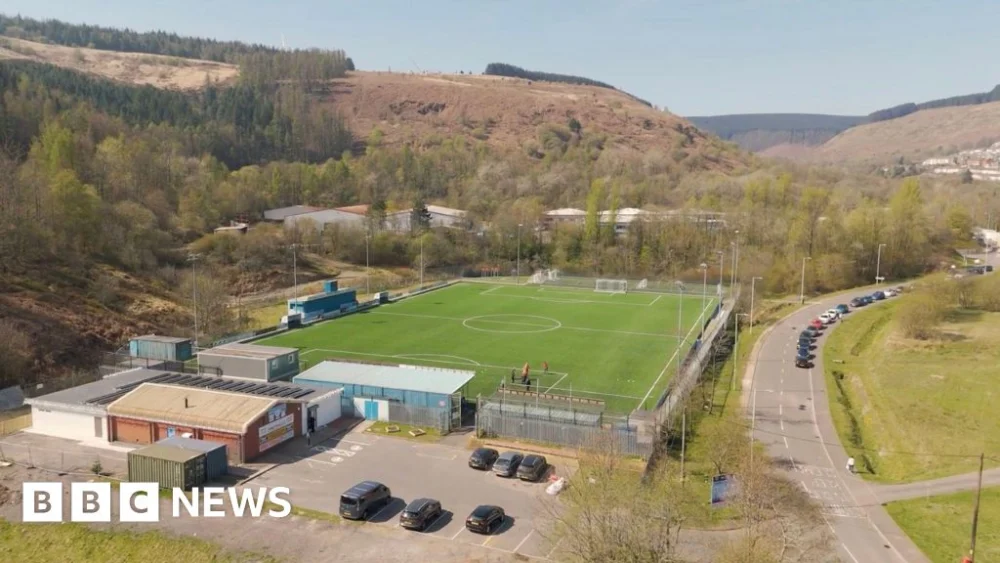
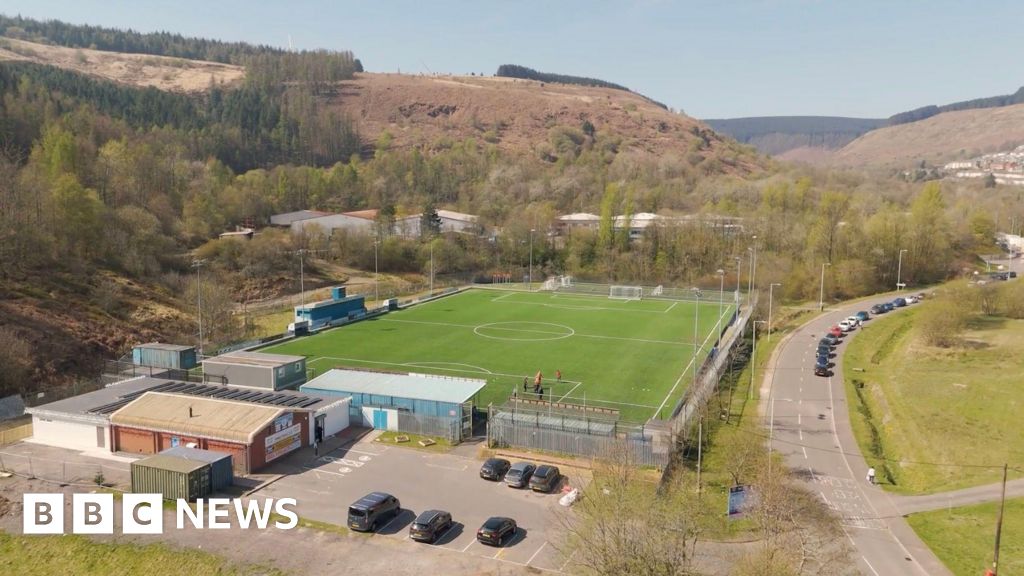
If the meticulously crafted plans receive the necessary approvals, the floodlights at Cambrian United’s ground, a vital component for evening training and matches, would be energized by harnessing the dynamic flow of the Nant Clydach, a local stream. This innovative approach extends beyond the football pitch, with provisions for a nearby school to also benefit from significantly reduced electricity costs during daylight hours, creating a ripple effect of positive change within the community. Experts in renewable energy are increasingly recognizing the immense, untapped potential of the Welsh valleys, particularly areas like Rhondda. Thousands of streams and rivers, historically crucial to the region’s industrial past, could now be repurposed to make villages and towns not just energy-efficient, but entirely energy independent.
Philip Williams, the visionary director of the Cambrian Village Trust, articulates the sentiment driving this movement, describing hydropower as "a no-brainer." He passionately believes that such initiatives hold the key to unlocking renewed prosperity for areas that have grappled with economic hardship and social challenges since the closure of the coalmines over three decades ago. The scars of industrial decline run deep, and for Williams, embracing renewable energy offers a powerful pathway to regeneration.
"The coal industry left deprivation," Williams recounts, painting a vivid picture of the valleys’ struggle. "When the mines all shut there was deprivation, scarred landscapes, and the valleys have obviously struggled to regenerate themselves from those days." This historical context underscores the urgency and significance of projects like Cambrian United’s hydropower scheme. It’s not merely about lighting a football pitch; it’s about reclaiming a sense of self-sufficiency and fostering a sustainable future for communities that have long deserved it.
The Cambrian Village Trust itself stands as a testament to the transformative power of community-led initiatives. Established with the core mission of providing local residents with opportunities for active engagement and personal development, the trust has already experienced firsthand the tangible benefits of hydropower. A smaller plant, previously installed, now efficiently powers its café and learning facilities, dramatically reducing monthly energy bills from a daunting £2,900 to a mere £350. This striking financial turnaround serves as a compelling case study, demonstrating the economic viability and profound impact of localized renewable energy solutions.
Blessed with a rugged landscape intricately carved by powerful, fast-flowing streams, the Rhondda valley is uniquely positioned to capitalize on micro-hydro systems. Williams envisions a future where such systems proliferate, benefiting communities across the entire area. These sophisticated yet straightforward technologies produce clean, renewable electricity by artfully harnessing the kinetic energy of flowing water, typically through a turbine, pump, or even a traditional waterwheel. The water’s force spins these mechanisms, which in turn drive a generator to produce electricity, all without significant environmental disruption to the stream itself.
For the leadership at Cambrian United, this move is not simply an altruistic environmental gesture; it’s also rooted in a sound "business case." The soaring costs of traditional electricity have become an increasing burden for sports clubs nationwide, impacting everything from operational budgets to long-term investment in facilities. By securing a sustainable, cost-effective energy source, Cambrian United aims to achieve greater financial stability, allowing more resources to be channeled back into the club’s development and its vital community programs.
Founded in 1965, Cambrian United, affectionately known as the "Sky Blues" by its loyal fanbase, has a rich history deeply intertwined with the fabric of its community. The club currently competes in the JD Cymru South league, where they are not just participants but currently lead the division, showcasing their sporting prowess. Beyond the senior team’s success, the club boasts a highly successful academy, a jewel in its crown, which has achieved the remarkable feat of coaching its 103rd young player to join a professional football side. This consistent dedication to nurturing local talent underscores the club’s commitment to community development and creating pathways for its youth, a philosophy that seamlessly aligns with the broader aims of the hydropower project.
Formal plans for the hydropower scheme are now poised for submission to Rhondda Cynon Taf council. Should they be approved, they will not only pave the way for Cambrian United’s home ground in Clydach Vale to be powered by the Nant Clydach stream but also set a powerful precedent for other local entities. The potential for widespread adoption is immense, according to Chris Blake, a former director of a company specializing in the installation of renewable energy technology across south Wales.
"There’s enormous potential. We did a study which identified 20 potential hydro sites in Rhondda Cynon Taf alone," Blake reveals, highlighting the vast, untapped resource waiting to be harnessed. This suggests that Cambrian United’s project could be just the beginning of a region-wide transformation. Blake further emphasizes the multifaceted benefits of such initiatives: "Community energy projects bring people together to harness their own landscape for creating energy." This collaborative spirit fosters a sense of collective ownership and empowerment, rebuilding community bonds alongside infrastructure. "But they can also produce financial returns for local investors and for the social enterprises that organise them," he adds, underscoring the vital economic dimension. This model of local investment and local benefit ensures that the wealth generated by renewable energy stays within the community, reinforcing its economic fabric.
The environmental benefits of this project are equally profound. By transitioning away from fossil fuel-derived electricity, Cambrian United will significantly reduce its carbon footprint, contributing directly to national and international climate change mitigation efforts. Hydropower is a clean, renewable energy source that produces no greenhouse gas emissions during operation, making it an ideal choice for a sustainable future. Furthermore, the localized nature of the energy generation reduces reliance on large, centralized power grids, enhancing energy security and resilience for the community.
While the prospect of hydropower offers substantial advantages, the journey is not without its considerations. The approval process will involve rigorous environmental impact assessments to ensure that the scheme does not adversely affect local ecosystems, particularly fish migration and water quality in the Nant Clydach. Initial investment costs, though offset by long-term savings, will also need careful management and potentially external funding. However, the strong community backing, coupled with the proven expertise of organizations like the Cambrian Village Trust and renewable energy specialists, suggests that these challenges are surmountable.
Ultimately, Cambrian United’s venture into hydropower represents more than just an energy solution; it’s a powerful symbol of regeneration, innovation, and community spirit. It demonstrates how a local football club, deeply rooted in its heritage, can become a beacon for a greener, more prosperous future. Should these plans come to fruition, Cambrian United will not only light up its pitch with the power of water but also illuminate a path for countless other clubs and communities across Wales and beyond, proving that even in the wake of industrial decline, new streams of prosperity and sustainability can flow. The Sky Blues are not just playing for points on the field; they are playing a pivotal role in shaping the energy landscape of their beloved valleys.



 Roy Suryo