
 Nana Banana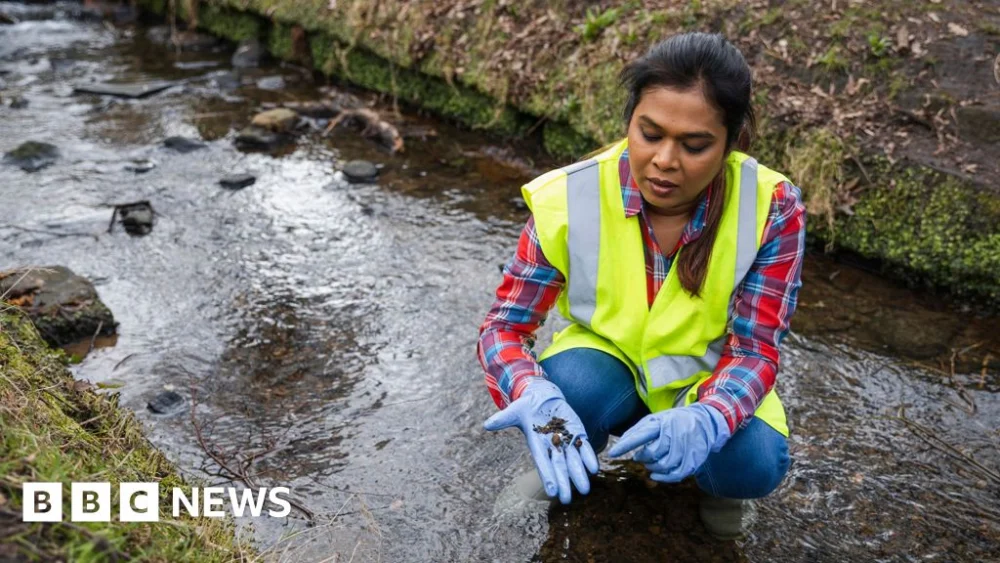
The United Kingdom has unveiled a comprehensive national plan aimed at significantly increasing the testing for per- and polyfluoroalkyl substances (PFAS), commonly known as "forever chemicals," across its environment. This strategic initiative comes in response to mounting environmental and public health concerns regarding these ubiquitous and highly persistent compounds. The plan signals a critical step in the UK’s commitment to understanding and mitigating the widespread presence and potential harmful effects of PFAS, which have become an inescapable part of modern life due to their remarkable resistance to oil and water.
PFAS constitute a vast family of thousands of synthetic chemicals, distinguished by their incredibly strong carbon-fluorine bonds. It is this unique molecular structure that endows them with their desirable industrial properties – making products waterproof, stain-resistant, and non-stick – but also renders them exceptionally stable and resistant to degradation in nature. This persistence is precisely why they are dubbed "forever chemicals"; once released into the environment, they can endure for centuries, accumulating in soil, water, air, and living organisms, including humans. While a small number of specific PFAS compounds are already known to be toxic, the long-term health and ecological impacts of the broader class are still being investigated, fueling the urgent need for increased monitoring and regulation.
The government’s newly launched PFAS Plan outlines a multi-pronged approach to tackle this pressing chemical challenge. Environment Minister Emma Hardy emphasized the gravity of the situation, stating, "It’s crucial that we protect both public health and the environment for future generations. Through our PFAS Plan, we will act decisively to reduce their harmful effects while transitioning to safer alternatives." The strategy revolves around three core objectives: enhancing environmental monitoring, bolstering public awareness, and aligning the UK’s regulatory framework more closely with international standards, particularly those being developed within the European Union.
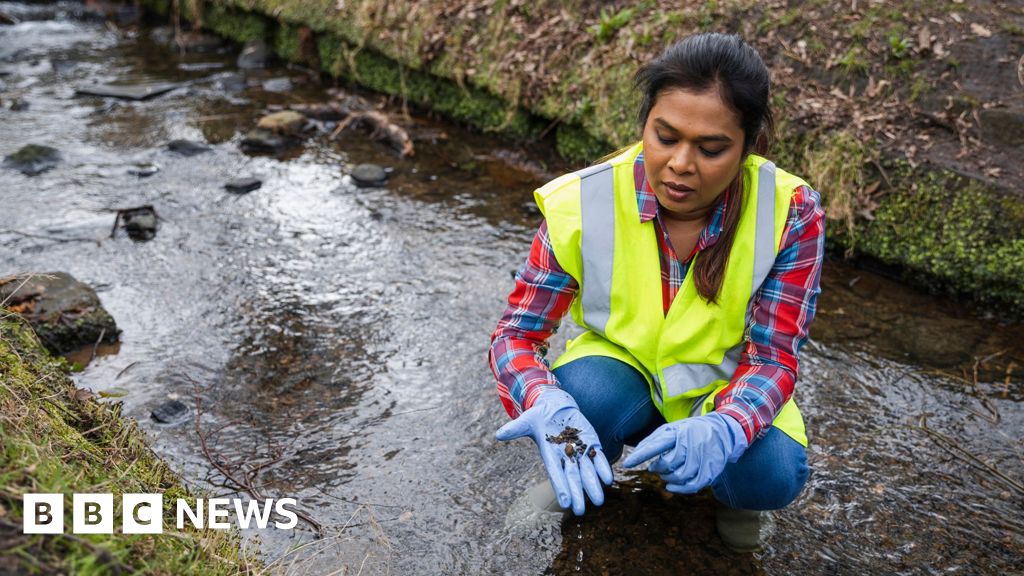
A cornerstone of the plan is a substantial increase in environmental surveillance. The number of water samples tested for PFAS will be boosted by an impressive 50% across Scotland and Wales. This expansion is vital for gaining a clearer picture of the extent of contamination in drinking water sources and aquatic ecosystems. Beyond water, the plan also mandates extensive testing of animals in coastal areas of England, recognizing these regions as potential hotspots for bioaccumulation in marine life. Furthermore, soils in five designated priority areas will undergo rigorous testing to identify localized contamination, particularly in agricultural lands where the spread of waste sludge from water treatment works is a known vector for PFAS dispersal. These targeted testing efforts aim to pinpoint major sources of contamination and understand the pathways through which these chemicals enter and move through the environment.
PFAS are, astonishingly, found in an extensive array of everyday products. Their remarkable properties make them invaluable in manufacturing processes for items as diverse as school uniforms, medication casings, and even critical components for hydrogen production. Their utility stems from their ability to repel water and oil, making them ideal for protective coatings and functional textiles. However, as Dr. Liz Chadwick, a senior lecturer in biosciences at Cardiff University, explains, the very ubiquity of these chemicals means they are constantly leaking into the environment. This occurs through various routes, including industrial manufacturing discharges, the washing of PFAS-treated clothing, and the land application of sewage sludge from water treatment plants onto agricultural fields. Dr. Chadwick underscores the triple threat posed by PFAS: "PFAS are very persistent in the environment, they are also bioaccumulative and they are also known to be toxic, those three things together gives our rise for concern about chemicals in the environment." Beyond industrial applications and clothing, these persistent compounds can also be found in common household items such as cosmetics, non-stick baking equipment and frying pans, dishwasher rinse aid, and various polishes.
The health implications of PFAS have become a significant focus of concern. Earlier this year, the World Health Organization (WHO) raised considerable alarms regarding two specific PFAS compounds: PFOA (perfluorooctanoic acid) and PFOS (perfluorooctanesulfonic acid). The WHO’s International Agency for Research on Cancer (IARC) classified PFOA as carcinogenic to humans and PFOS as possibly carcinogenic. This classification links exposure to these chemicals with an increased risk of developing serious conditions, including thyroid, testicular, and kidney cancers. While both PFOA and PFOS are already banned in the UK, the broader family of PFAS compounds continues to be a subject of intense scientific scrutiny. Dr. Hannah Moody, Director of Research and Engagement at Breast Cancer UK, welcomed the government’s plan as a positive step but emphasized that "the work is not complete on this, and we will continue to lobby for tighter and more stringent regulation of endocrine disrupting chemicals that are linked to possibly increasing breast cancer risk for the entire UK population." This highlights the ongoing concern that other PFAS variants might pose similar, yet undiscovered, health risks.
To empower the public and foster informed decision-making, the government also plans to launch a dedicated website providing comprehensive information on these chemicals. This initiative aims to raise public awareness about where PFAS can be found, their potential risks, and steps individuals can take to minimize exposure. While the plan has generally been well-received by environmental charities and scientific communities, there is a clear divergence of opinion on the pace and extent of regulatory action required.
Environmental groups and the water industry have voiced strong appeals for the government to accelerate the process of banning these chemicals. Dr. Shubhi Sharma, a scientific researcher at the environmental charity Chem Trust, argues vehemently against delaying action in favour of prolonged research. "More research, more monitoring is important, but that should not come before regulating them at the source. We should not be waiting for people to start showing adverse impacts before we take action," she stated. Dr. Sharma advocates for a "precautionary principle" approach, urging the government to cease the use of chemicals where potential harm could outweigh benefits, especially given the emerging risks associated with certain PFAS compounds. This principle suggests that if a product, action, or policy has a suspected risk of causing harm to the public or the environment, protective action should be supported even if there is no full scientific consensus about the risk.
The UK’s plan, while not yet committing to an outright ban on all PFAS, includes a significant pledge to "more closely align" with EU regulations by December 2028. The European Union is currently pursuing a far-reaching proposal for a universal ban on all PFAS, with exemptions only for uses proven to be absolutely essential for society. This alignment is viewed as a crucial development by experts like Stephanie Metzger, a policy adviser at the Royal Society of Chemistry. She notes that "Our regulators after Brexit have been overwhelmed and busy with adapting to the changes that Brexit has caused, and so it means that doing this sort of in-depth work has often been pushed back. And so I think this is a really positive step." This strategic alignment could significantly expedite future regulation of PFAS within the UK, leveraging the extensive research and legislative work already undertaken by the EU. France, for instance, has already moved to ban PFAS in products where alternatives exist, following considerable public protest, illustrating a growing international impetus for stricter controls.
However, the transition away from PFAS is not without its complexities and challenges, particularly for industry. The Chemical Industries Association (CIA) has pushed back against calls for immediate, sweeping bans, highlighting that finding suitable and viable alternatives is a formidable task. A spokesperson for the trade body explained, "Finding suitable and viable alternatives that are environmentally better and provide the needed performance is a challenging task, often needing innovators to return to the drawing board in search of a potential replacement." They emphasize that certain critical industries, such as hydrogen production, currently have few, if any, effective alternatives to PFAS.
Manufacturers who have already embarked on the journey to become PFAS-free attest to the significant investment and effort required. Debbie Reed from Equip Outdoor Technologies, which owns outdoor brands Rab and Lowe Alpine, described the process as "challenging as our supply chains are complex, in an insulating jacket there are 120 components. To make sure the products are PFAS-free we have to make sure the entire production line is cleaned." Similarly, Jun Kamei, CEO of Amphico, a company dedicated to developing toxic-free textiles, shared his experience at a Mills Fabrica exhibit for PFAS-free designers: "PFAS [are] a very functional, versatile chemistry so replacing them is a lot of hard work from a technical perspective. It has taken us 7 years – but a hard problem worth tackling." These accounts underscore the technical hurdles, lengthy research and development cycles, and substantial financial implications associated with innovating away from PFAS.

The water industry, bearing the brunt of treating PFAS-contaminated water, argues for a much more assertive approach from the government. Currently, water companies are mandated to regularly test for the 48 most concerning PFAS compounds and undertake costly treatment measures where elevated levels are detected. Water UK, the industry body, contends that this financial burden should not fall on them. A spokesperson stated, "While this is a useful first step, the government needs to go much further. The problem with PFAS will only get worse until chemical companies are forced to stop their manufacture and sale and clean up the mess they’ve already created." This highlights a key point of contention: who should ultimately be responsible for the costs of remediation and prevention – the polluter or the public?
In conclusion, the UK’s new plan to ramp up "forever chemical" testing marks an important stride in addressing one of the most significant environmental and public health challenges of our time. By increasing monitoring, raising public awareness, and aiming for closer alignment with robust international regulations, the government is taking decisive action. However, the path forward remains complex, characterized by a delicate balance between safeguarding health and the environment, supporting industrial innovation, and navigating the economic realities of transitioning away from deeply embedded chemistries. The ongoing dialogue between environmental advocates, industry, and regulators will undoubtedly shape the future of PFAS management in the UK, as the nation grapples with the enduring legacy of these pervasive compounds.




 George Anjay
 Nakalama John
 atisusanti
 Ramos Leo
 Roy Suryo