Nakalama John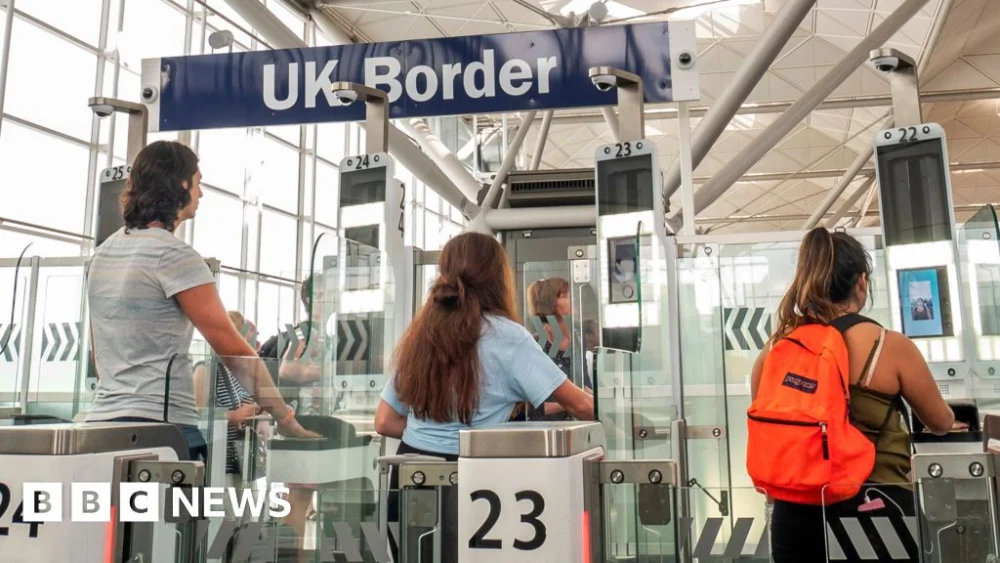
A significant shift in how international visitors access the United Kingdom has come into full effect, with the Electronic Travel Authorisation (ETA) system now a mandatory requirement for citizens of dozens of countries, including traditionally visa-exempt nations like the United States and Australia. Launched incrementally since October 2023, the government asserts that this new digital permission scheme will bolster border security, streamline the immigration process, and enhance the overall efficiency of entry controls. However, its implementation has not been without complications, particularly for dual nationals who possess both British and another country’s citizenship, leading to a scramble for UK passports or specific endorsements to comply with the updated regulations.
What is an ETA and who needs one?
From February 25th, the UK’s Electronic Travel Authorisation (ETA) became a mandatory requirement for most individuals who previously enjoyed visa-free travel to the UK. This comprehensive change applies to citizens from 85 different countries, encompassing a broad spectrum of global travellers. An ETA is not a visa; rather, it is a digital permission to travel to the UK. Its primary purpose is to allow the Home Office to conduct security checks on visitors before they even board their flights or other transport, thereby enhancing national security and border management.
Once approved, an ETA grants permission for stays of up to six months in the UK. It is designed for various short-term purposes, including tourism, visiting family and friends, business trips, and short courses of study. Critically, the ETA is valid for two years from the date of issue, or until the linked passport expires, whichever comes first. This two-year validity allows for multiple journeys to the UK within that period, making it convenient for frequent visitors. The system also covers individuals who transit through the UK as part of a longer journey, provided they need to pass through UK border security. However, those merely transiting through a UK airport without needing to clear border control (e.g., remaining airside) are generally exempt from needing an ETA.
It is important to distinguish the ETA from a traditional visa. The new system is specifically for those who don’t currently need a visa to enter the UK for short stays. Conversely, people who have always required a visa for their travel to the UK – whether for longer visits, work, or extended study – will continue to need a visa and do not need to apply for an ETA in addition to their visa. Their visa application process already includes the necessary pre-screening and authorisation.
Several categories of individuals are exempt from the ETA requirement. British and Irish citizens, benefiting from the Common Travel Area, do not need an ETA or a visa to visit or travel through the UK. Other exceptions include those with settled or pre-settled status under the EU Settlement Scheme, individuals with a valid UK visa, or those with existing immigration permissions for the UK. There are also specific, limited exceptions such as children travelling from France on an organised school trip.
The ETA scheme was initially launched in October 2023, with a phased rollout beginning with Qatar, followed by Jordan, Bahrain, Kuwait, Oman, Saudi Arabia, and the United Arab Emirates. During this initial period, the government stated that the requirement was "not strictly enforced to give visitors ample time to adjust to the new requirement." However, the full enforcement for the wider list of 85 countries, including major travel partners like the US, Canada, Australia, and EU member states, commenced on February 25th, making it crucial for all eligible travellers to secure their ETA before departure. The government’s stated aim is to streamline the immigration system, making it faster, more secure, and providing better intelligence on who is entering the country.
How do I get an ETA and how much does it cost?
Applying for an ETA is designed to be a straightforward digital process, primarily through the ‘UK ETA’ app or via the official UK government website. The current cost for an ETA is £16, a fee that covers the processing and maintenance of the digital system. The government has indicated plans to increase this fee to £20 in the future, reflecting ongoing operational costs.
Applicants are required to provide a range of personal and travel details. This typically includes full contact information, passport details (the ETA is digitally linked to this passport), a recent digital photograph that meets specific biometric standards, and answers to a series of security questions. These questions are crucial for the pre-screening process and may cover aspects such as criminal history, previous immigration breaches in any country, details of past travel, and health-related inquiries. It is paramount that applicants travel using the exact same passport they used when applying for their ETA, as the digital authorisation is inextricably linked to that specific document. Any discrepancy could lead to travel complications.
The government aims for efficiency, stating that most applicants will receive an automatic answer within minutes of submitting their application via the app. However, to account for potential delays or manual review, it strongly recommends that individuals apply for their ETA at least three working days before their intended travel date. This buffer allows sufficient time for processing and for applicants to address any potential issues.
Should an ETA application be rejected, the applicant will be informed of the reason and will typically have the opportunity to apply again, perhaps correcting an error in their initial submission. However, if an ETA application is refused, the implications are more severe. In such cases, the applicant cannot appeal the decision and will instead need to apply for a traditional UK visa to visit the country. Refusals are usually based on more significant concerns, such as a serious criminal record, a history of immigration violations, or misrepresentation during the application process.
How will the rules be enforced?
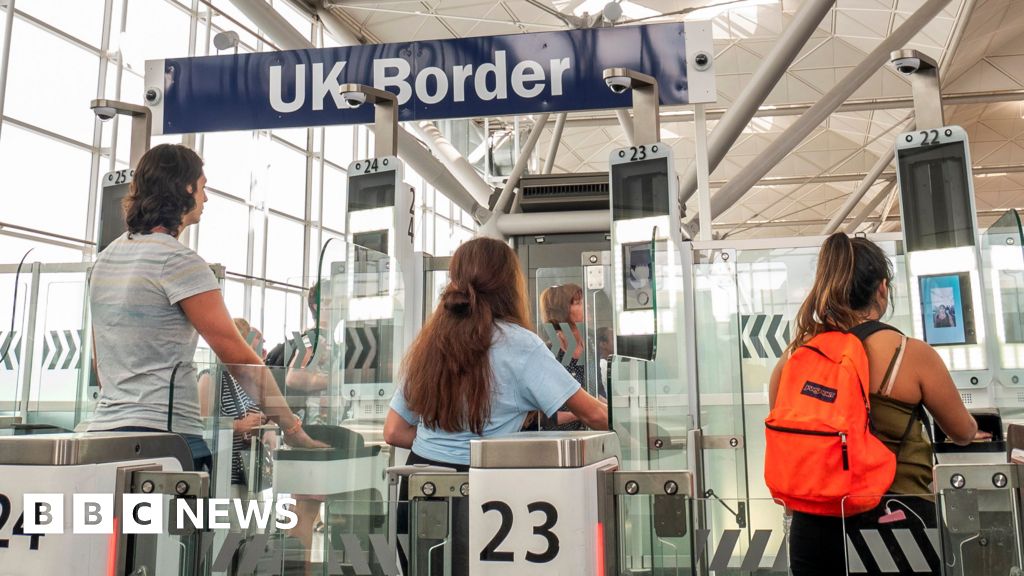
The enforcement of the ETA system is primarily digital and begins even before a traveller reaches the UK border. Airlines, rail companies, and shipping operators have been equipped with tools provided by the UK government to verify a passenger’s travel permission. These automated digital checks with the Home Office allow carriers to confirm if a traveller holds a valid ETA linked to their passport. Without a valid ETA, eligible travellers may be denied boarding by their transport provider, effectively preventing them from commencing their journey to the UK.
As the ETA is digitally linked to the applicant’s passport, there is no physical document or paper copy required to present at the border. However, the government advises that travellers may wish to keep a paper or digital copy for their own records. Upon arrival in the UK, even with a valid ETA, all travellers will still need to go through traditional passport control. It is crucial to understand that an ETA grants permission to travel to the UK, but it does not grant an automatic right to enter. UK Border Force officers retain the ultimate discretion to grant or deny entry based on their assessment at the port of entry. Travellers could still be turned away at the border if there are other issues, such as suspicions of intending to overstay, misrepresentation of their purpose of visit, insufficient funds, or other security concerns. To avoid issues, travellers are always advised to carry proof of their onward travel, accommodation details, sufficient funds for their stay, and documentation supporting their stated purpose of visit.
What is the problem for dual nationals?
One of the most significant and contentious aspects of the new ETA system has been its impact on dual nationals – individuals who hold citizenship in both the UK and another country. The core issue is that dual nationals, by definition, are already British citizens. As such, they are not eligible to apply for an ETA, which is specifically designed for non-visa nationals seeking permission to visit the UK.
To enter the UK, dual nationals are now explicitly required to use their British passport. Alternatively, if they primarily use their non-British passport for international travel, they must obtain a digital version of a Certificate of Entitlement (CoE) to British nationality, which is affixed or linked to their foreign passport. Without either a British passport or a valid CoE, dual nationals face the risk of being denied the right to travel back to the UK, even if they have historically used their non-British passport for entry without issue.
Historically, many dual nationals, especially those who acquired UK citizenship later in life or whose British citizenship was automatically conferred but who maintained strong ties to their other nationality, never applied for a British passport. They had previously been able to leave and return to the UK using their non-British passport without encountering problems. This long-standing, albeit technically informal, practice has now been unequivocally curtailed by the ETA system.
The sudden and strict enforcement of this rule has created considerable problems. Many dual nationals were unaware of this specific requirement until relatively late in the rollout of the ETA system, leaving them with insufficient time to adjust. Both obtaining a new British passport and applying for a Certificate of Entitlement can be time-consuming processes, often taking several weeks. Furthermore, there are significant costs involved: a standard adult British passport costs approximately £100, while a Certificate of Entitlement carries a substantial fee of £589. For many, this represents an unexpected and significant financial burden, especially when faced with urgent travel plans.
The Home Office has acknowledged these concerns, stating that "public information advising dual nationals to carry the correct documents has been available since October 2023 and a substantive communications campaign about the introduction of ETA has been running since 2023." While general information about the ETA has been disseminated, the specific implications for dual nationals and the absolute requirement to use a British passport or CoE may not have been as widely understood until closer to the enforcement date. This has led to frustration and anxiety among dual nationals, some of whom have found themselves stranded outside the UK or facing cancelled travel plans due to a lack of the correct documentation. The government’s position is that British citizens should always enter the UK on a British passport, and the ETA system merely formalises the enforcement of this long-standing principle.
Which other countries use ETAs?
The concept of an Electronic Travel Authorisation is not unique to the UK; it is a system increasingly adopted by countries globally as part of enhanced border security measures. If the term ETA sounds familiar, it is because similar schemes have been in operation for several years in other major travel destinations.
Canada introduced its Electronic Travel Authorisation (eTA) in 2016 for visa-exempt foreign nationals flying to or transiting through a Canadian airport. The United States has had its Electronic System for Travel Authorisation (ESTA) since 2009, a mandatory requirement for citizens of countries participating in the Visa Waiver Program (VWP) who wish to travel to the US for tourism or business for stays of 90 days or less. Australia also employs a similar system, with its Electronic Travel Authority (ETA) or eVisitor visa for many non-citizens.
These systems share common objectives with the UK’s ETA: to pre-screen travellers for security risks, enhance border control efficiency, and reduce queues upon arrival. The application processes are also broadly similar, involving an online form, personal details, passport information, security questions, and a fee.
Looking ahead, the European Union is also developing its own version, the European Travel Information and Authorisation System (ETIAS), which is expected to be implemented in 2025. ETIAS will require visa-exempt non-EU nationals to obtain prior authorisation to enter the Schengen Area, further demonstrating a global trend towards digital pre-travel screening systems. The UK’s ETA positions it alongside these nations, aligning its border security protocols with international best practices and the evolving landscape of global travel.
In conclusion, the UK’s Electronic Travel Authorisation marks a significant overhaul of its immigration system, aiming for greater security and efficiency. While it modernises travel for many, the particular challenges faced by dual nationals underscore the importance of understanding and preparing for these new requirements well in advance of any planned travel. As digital border controls become the norm, travellers worldwide must adapt to an increasingly scrutinised and pre-authorised travel environment.




 Roy Suryo

 George Anjay
 Ramos Leo