Nana Banana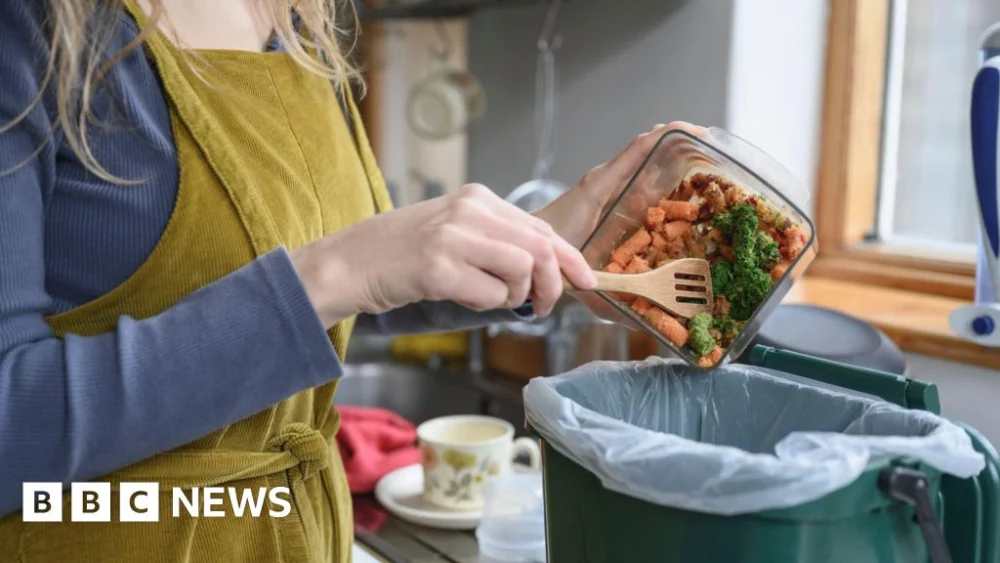
The Department for Environment, Food & Rural Affairs (Defra) has been unequivocal in its stance, stating that "every household in England" should receive weekly food waste collections under the new framework. However, the BBC’s in-depth inquiry found that a significant number of councils will not meet this imminent deadline. The reasons cited for these widespread delays are multi-faceted, ranging from an unprecedented surge in demand for specialized collection vehicles to persistent issues surrounding the adequacy of funding, despite Defra having allocated more than £340 million in grants to support the transition.
Environment Minister Mary Creagh acknowledged the challenges but urged councils to press ahead, stating, "Do it slowly, do it right but let’s get on with it." She emphasized the government’s commitment, noting that councils had received a "significant uplift in this year’s budget" specifically to aid in the successful implementation of this policy. Creagh underscored the urgency of the initiative, lamenting, "We have been stagnating at these very low recycling rates for far too long." The ambition is not merely to collect waste but to fundamentally shift national recycling rates and reduce environmental impact.
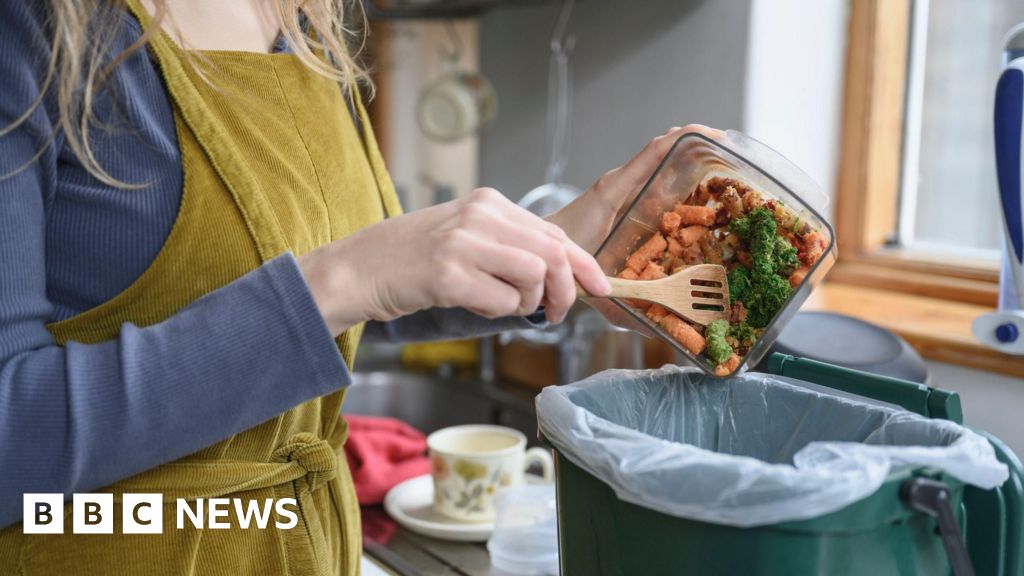
The underlying principle of the new legislation is to harness the potential of food waste, transforming it from a polluting byproduct into a valuable resource. When food waste is collected separately and processed, it can be converted into electricity through anaerobic digestion. This process significantly reduces the amount of organic material sent to landfill, where it decomposes and releases methane, a potent greenhouse gas far more damaging than carbon dioxide. Beyond energy generation, the policy also aims to encourage households to become more mindful of their consumption habits, ultimately leading to a reduction in the sheer volume of food wasted in the first place.
Prior to the introduction of the Simpler Recycling legislation, a disparate landscape of waste collection policies existed across England. Roughly half of all councils already offered some form of food waste collection, though not always weekly, while a few pioneers had robust systems in place for over a decade. This meant that not all councils required a complete overhaul to comply with the new rules. To gauge the national picture, the BBC contacted every local authority responsible for waste collection. The findings revealed that at least 56 of the councils set to miss the deadline are targeting a full rollout of their service by the end of 2026. A further nine councils were unable to provide even an approximate start date, highlighting the profound logistical hurdles they face.
Adding another layer of complexity, 31 councils have successfully secured official agreements for a later start date for their weekly food collections, meaning they will not be deemed in breach of the initial deadline. When these extended timelines are factored into the overall picture, the proportion of councils that will not be collecting food waste from all homes by March extends to more than a third of the total.
The financial strain on local authorities is a recurring theme in their explanations for the delays. Shropshire Council, for instance, articulated that an April launch would expose it to "significant financial risk." Councillor David Vasmer elaborated that while government funds were provided for capital expenditure—such as the purchase of new vehicles and bins—the recent government financial settlement had "failed to provide any revenue funding for a weekly food waste service." This distinction between one-off capital investment and ongoing operational costs, including staffing, fuel, and maintenance, appears to be a critical shortfall.
Beyond funding, the physical infrastructure and equipment needed for the rollout are proving to be a bottleneck. A spokesperson for South Derbyshire District Council highlighted that the supplier of specialized food waste collection vehicles was experiencing "exceptionally high demand," making it exceedingly difficult to acquire the necessary fleet in a timely manner. Similarly, East Hampshire District Council confirmed that the availability of bin lorries was the primary cause of its delay, noting that a firm start date for food waste collections remained elusive.
For residents like Greg Ford, who lives in Buriton, East Hampshire, the delay is understandable, provided the council uses the time wisely. As the chair of trustees of the Petersfield Climate Action Network, Ford already meticulously separates his food waste for composting. He believes the new system will foster greater awareness: "It makes you think about food waste, planning what to do with leftovers, so I think ironically collecting people’s food waste is going to cut down on food waste." He emphasized that the council should take the necessary time "to get it right," implying that a rushed, poorly implemented system would be counterproductive.
However, for others, the wait is frustrating. Patricia Jepheson, a resident of Worcester, where the council anticipates a delay until spring 2027, expressed her dismay. "It’s just a lot of extra waste that could be disposed of in a greener way," she stated. Her concern was amplified by the historical context: "When areas with fewer resources managed to do it years ago, it’s hard to understand why we’re waiting until 2027." This sentiment underscores a public desire for consistency and efficiency in environmental initiatives.
Several councils are adopting a phased approach, introducing the service incrementally across their districts, which inevitably pushes back the date when the service will be universally available. The Local Government Association (LGA), representing councils across England and Wales, has voiced its concerns, advocating for greater clarity on the long-term funding for day-to-day operational costs. A spokesperson for the LGA stressed, "It is important that all councils have local flexibility on how this service is delivered, alongside adequate funding and support." Crucially, the LGA is also pressing the government "to commit to reviewing service costs after a year, to help plug any costs gaps," recognizing that initial estimates may not fully capture the ongoing financial demands.
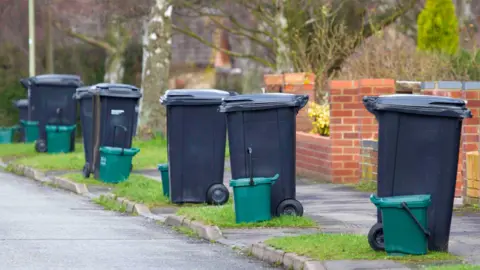
The Simpler Recycling policy is ultimately designed to eradicate the "postcode lottery" of rubbish collection that has long confused residents. With varying systems ranging from just two bins to as many as seven across different local authorities, the lack of uniformity has been a significant barrier to effective recycling. Adam Herriott, a senior sector specialist for sustainability charity Wrap, explained that the policy aims to enable everyone to recycle the same materials, "no matter where in England you are." The standardized default recycling collections across England will encompass paper and card, food waste, and dry recycling, including plastic, metal, and glass. A Defra spokesperson affirmed that this initiative will "end the postcode lottery of bin collection."
Rosemary Brotchie, Wrap’s senior specialist for food waste, highlighted the profound impact of the change. "You’re keeping it out of your general waste bin, keeping it out of landfill, reducing those emissions that will come from that food rotting in landfill, but you’re also keeping your waste clean to allow that to be recycled," she explained. Brotchie anticipates that the separate collection will also foster a significant shift in daily habits, leading to a reduction in the overall quantity of waste generated. She noted, "If you are collecting your food in a caddy, you really get to see firsthand what you’re throwing away. I think that can really prompt some rethinking."
The latest available data indicates that some local authorities currently recycle as little as a fifth of their household waste. Herriott pointed out that "food waste is generally pretty heavy because it’s got quite a high water content." Diverting these substantial tonnages from landfill or incineration has the potential to "improve our recycling rate as a nation quite significantly."
The collected food waste embarks on a journey through a process known as anaerobic digestion. This biotechnological marvel involves pulverizing the food and mixing it with liquids before it is left to digest in sealed, oxygen-free tanks for several months. During this period, microorganisms break down the organic matter, producing biogas rich in methane. Mark Barnfield, commercial director at Severn Trent Green Power, elaborated that the resulting gas is then meticulously cleaned and either "injected into the gas grid" to supplement natural gas supplies or converted into electricity, feeding into the national power network. The remaining solid and liquid material, known as digestate, is a nutrient-rich substance that can be utilized as a sustainable fertilizer by nearby farms, completing a virtuous cycle that benefits both energy production and agriculture.
Barnfield offered a pragmatic perspective on the staggered rollout, suggesting that it might, in fact, benefit processing plants. "If it was a light switch like that the system would be flooded and it would be difficult to cope, but the reality is that it will be more natural," he remarked. He also highlighted an economic advantage for councils: in addition to being environmentally cleaner, he believes it could be "cheaper to get rid of that waste through an anaerobic digestion plant" compared to other, less sustainable disposal methods.
While the "Simpler Recycling" policy promises a significant leap forward in England’s environmental efforts, the initial delays underscore the complex interplay of funding, logistics, and supply chain challenges inherent in such a sweeping national initiative. The coming months will reveal whether councils can navigate these hurdles to deliver on the government’s ambitious vision for a more sustainable future.




 Roy Suryo