
 Roy Suryo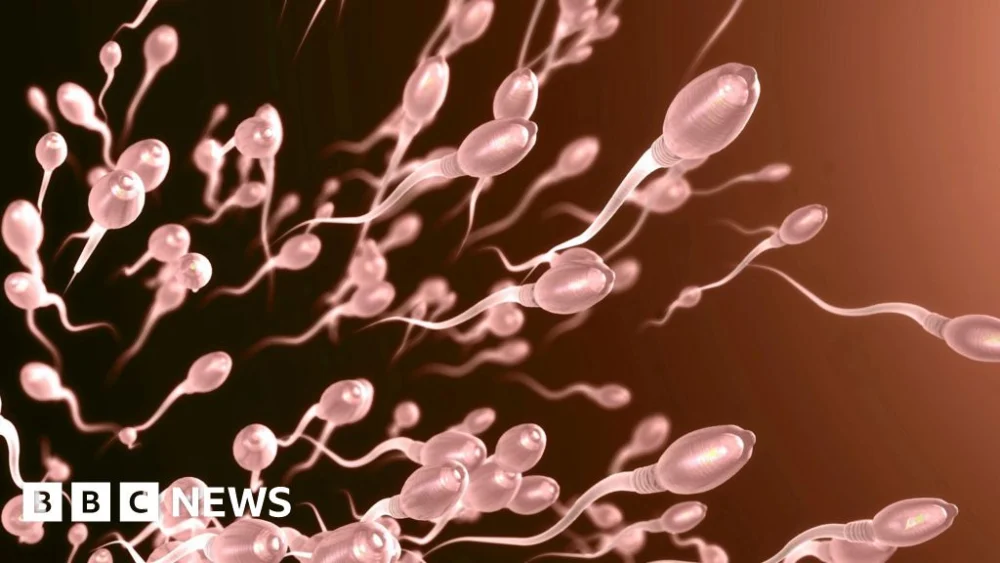
A groundbreaking international study has revealed a fascinating seasonal rhythm in male fertility, demonstrating that sperm motility – the crucial ability of sperm to swim effectively towards an egg – peaks during the summer months and dips to its lowest point in winter. This finding, based on an extensive analysis of semen samples from over 15,000 men across diverse climates, suggests that the human reproductive clock is more finely tuned to the annual cycle than previously understood, with implications that could revolutionize fertility treatments and enhance our understanding of male reproductive health.
The comprehensive research, conducted by a collaborative team of scientists from the United Kingdom, Canada, and Denmark, involved meticulously analyzing semen samples from a cohort of 15,581 men. These participants, all within the fertile age range of 18 to 45, hailed from two distinct geographical locations: Denmark, representing a temperate climate, and Florida, known for its consistently warm weather. The study’s methodology was robust, designed to capture any subtle yet significant variations in sperm quality over the course of a year. The consistent observation across both these disparate climates was that sperm motility consistently reached its zenith in June and July, with a discernible decline throughout the autumn and winter months, reaching its nadir in December and January. This striking uniformity in the seasonal pattern, irrespective of the ambient temperature, has led researchers to question the sole influence of external heat on male fertility.
While the ability of sperm to navigate effectively towards conception shows a clear seasonal fluctuation, the study also clarified that other key markers of sperm quality remain largely unaffected by the time of year. Specifically, researchers found no significant variations in total sperm concentration – the sheer number of sperm present in a given volume of semen – or in ejaculate volume, the quantity of semen expelled during ejaculation. This crucial distinction highlights that while the vigor of sperm movement is subject to seasonal influences, the production of sperm, in terms of quantity, is not. This nuanced understanding is vital for accurate fertility assessments and interventions.
The implications of these findings are far-reaching, particularly for the field of assisted reproductive technologies (ART). By understanding these predictable seasonal patterns, fertility clinics could optimize the timing of treatments, such as in-vitro fertilization (IVF) or intrauterine insemination (IUI), to coincide with periods of peak sperm motility. This strategic timing could potentially enhance the success rates of these procedures, offering renewed hope to couples struggling with infertility. Furthermore, a better grasp of seasonal variations can lead to more accurate and contextually appropriate fertility testing, providing more reliable guidance to individuals and couples embarking on their conception journey.
The study, published in the prestigious journal Reproductive Biology and Endocrinology, posits that the observed consistency in sperm motility across different climates underscores a deeper, perhaps evolutionary, influence of seasonality on male fertility that transcends simple temperature gradients. The fact that sperm motility in Florida, where temperatures remain elevated throughout the year, mirrors the seasonal pattern observed in Denmark, where temperatures fluctuate significantly, suggests that ambient temperature alone is not the primary driver of these changes. This challenges conventional wisdom, which often links sperm quality directly to scrotal temperature regulation, a process known to be sensitive to external heat.
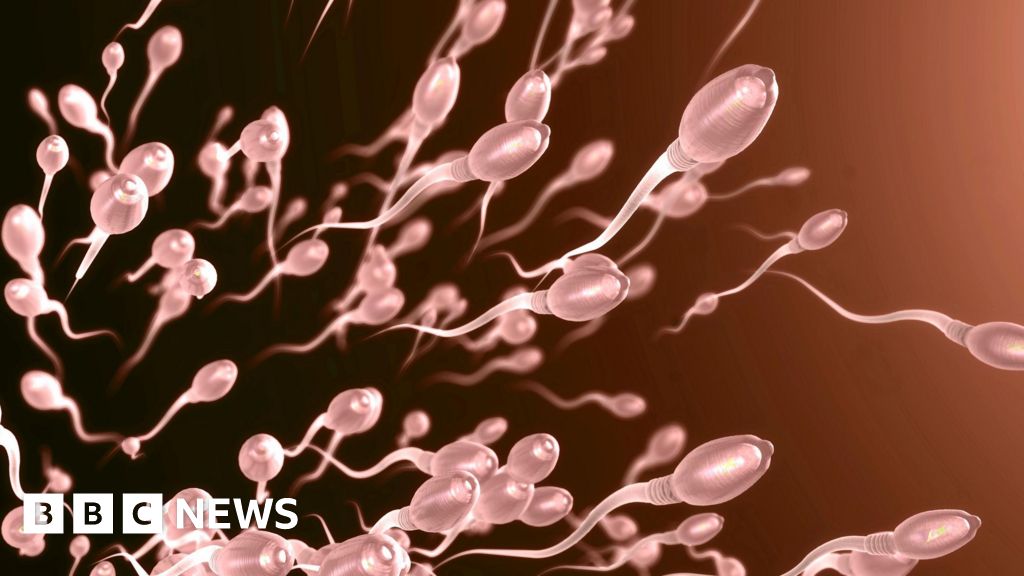
The optimal temperature for the testes, where sperm production and storage occur, is known to be a few degrees Celsius lower than the core body temperature of approximately 37 degrees Celsius (98.6 degrees Fahrenheit). Deviations from this ideal temperature range, either higher or lower, can negatively impact sperm motility and, consequently, fertility. While this principle remains scientifically sound, the study’s results suggest that other, less understood, seasonal factors are at play, influencing the complex biological processes involved in sperm development and function.
Professor Allan Pacey, a leading expert in male reproductive health from the University of Manchester and a co-author of the study, expressed his astonishment at the uniformity of the seasonal pattern observed across such different climatic zones. "We were struck by how similar the seasonal pattern was in two completely different climates," Professor Pacey stated. "Even in Florida, where temperatures stay warm, sperm motility still peaked in summer and dipped in winter, which tells us that ambient temperature alone is unlikely to explain these changes." This observation strongly suggests that other environmental or internal biological cues, perhaps related to light cycles, hormonal fluctuations influenced by these cycles, or even dietary changes associated with seasons, might be playing a more significant role than previously acknowledged.
The researchers are now exploring potential underlying mechanisms that could explain these seasonal variations. These might include fluctuations in hormone levels, such as testosterone and follicle-stimulating hormone (FSH), which can be influenced by seasonal changes in daylight hours. The body’s circadian rhythms and the intricate interplay of various endocrine systems could also be contributing factors. Additionally, subtle shifts in diet, vitamin D levels (which are influenced by sun exposure), or even the prevalence of certain infections that might fluctuate seasonally could indirectly impact sperm quality. Further research is needed to unravel these complex biological pathways.
Professor Pacey further elaborated on the significance of these findings, emphasizing their potential to refine clinical practices. "Our study highlights the importance of considering seasonality when evaluating semen quality," he remarked. "It also shows that seasonal variation in sperm motility occurs even in warm climates. These findings deepen our understanding of male reproductive health and may help improve fertility outcomes." This call for greater awareness of seasonality in clinical settings is crucial. It implies that semen analysis performed during winter months might yield results that appear suboptimal, potentially leading to unnecessary anxiety or interventions. Conversely, analyses conducted in summer might present a more favorable picture, offering a more accurate reflection of a man’s reproductive potential at a given time.
The study’s robust methodology, large sample size, and inclusion of diverse geographical locations lend significant weight to its conclusions. By analyzing data from both a temperate and a subtropical climate, the researchers were able to isolate the effect of seasonality from that of ambient temperature, a key limitation in many previous studies. This rigorous approach strengthens the argument that inherent biological rhythms, rather than just external environmental conditions, are dictating these fluctuations in sperm motility.
In conclusion, this seminal study provides compelling evidence that male fertility, specifically sperm motility, exhibits a distinct seasonal pattern, peaking in summer and declining in winter, irrespective of climate. While the precise biological mechanisms driving these changes remain to be fully elucidated, the findings have immediate and profound implications for fertility assessment, treatment timing, and our fundamental understanding of male reproductive health. The research opens new avenues for investigation into the intricate relationship between our bodies and the annual cycle, promising to enhance the effectiveness of fertility interventions and offer greater insight into the complex biological symphony of human reproduction. The summer months, it appears, are not just a time for outdoor enjoyment, but also a period of heightened reproductive potential for men.




 Nakalama John
 atisusanti
 Ramos Leo
