
 Ramos Leo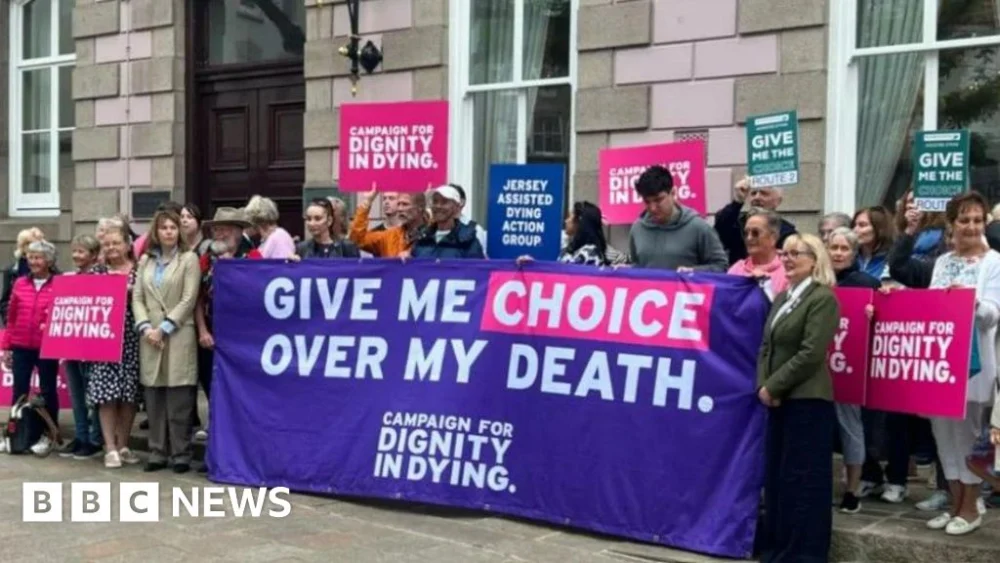
The newly approved framework sets out stringent eligibility criteria designed to ensure that the option of assisted dying is available only to those facing severe, irreversible suffering. Eligible individuals must be terminally ill adults suffering from unbearable pain or distress, with an expected prognosis of death within six months. This timeframe is extended to 12 months for those diagnosed with neurodegenerative conditions such as Parkinson’s disease and motor neurone disease (MND), acknowledging the often protracted and debilitating course of these illnesses. Crucially, the law mandates that individuals must possess the mental capacity to make such a profound decision, and the request must be voluntary, enduring, and clearly expressed, free from any coercion or undue influence. Medical assessments, likely involving multiple independent doctors, will be a cornerstone of the process, verifying the diagnosis, prognosis, and the patient’s mental competence, ensuring a rigorous gatekeeping mechanism.
This momentous decision positions Jersey as the second jurisdiction within the British Isles to fully approve assisted dying legislation, following in the footsteps of the Isle of Man. The Isle of Man enacted its own assisted dying law earlier, setting a precedent that Jersey has now built upon, though with some variations, notably in residency requirements. Jersey’s law stipulates a 12-month residency period for eligibility, whereas the Isle of Man requires five years, reflecting differing approaches to managing potential "death tourism" concerns. These developments in the Crown Dependencies cast a significant shadow over the broader United Kingdom, where debates surrounding assisted dying are gaining momentum but progressing at a slower pace.
Currently, five parliaments across the British Isles are actively debating assisted dying, reflecting a growing societal conversation about autonomy at the end of life. In England and Wales, a draft law is slowly navigating its way through the House of Lords, encountering complex ethical, legal, and medical considerations. Scotland and Northern Ireland are also grappling with similar legislative proposals, each jurisdiction weighing its unique cultural, religious, and political landscapes. A UK government spokesperson acknowledged the intricate nature of these bills, stating that the processing time for such legislation "depends on the complexities and sensitivities of a bill, as well as any legal and constitutional issues." This indicates that while the Crown Dependencies have forged ahead, the larger UK nations face a more protracted and perhaps more contentious path towards potential reform.
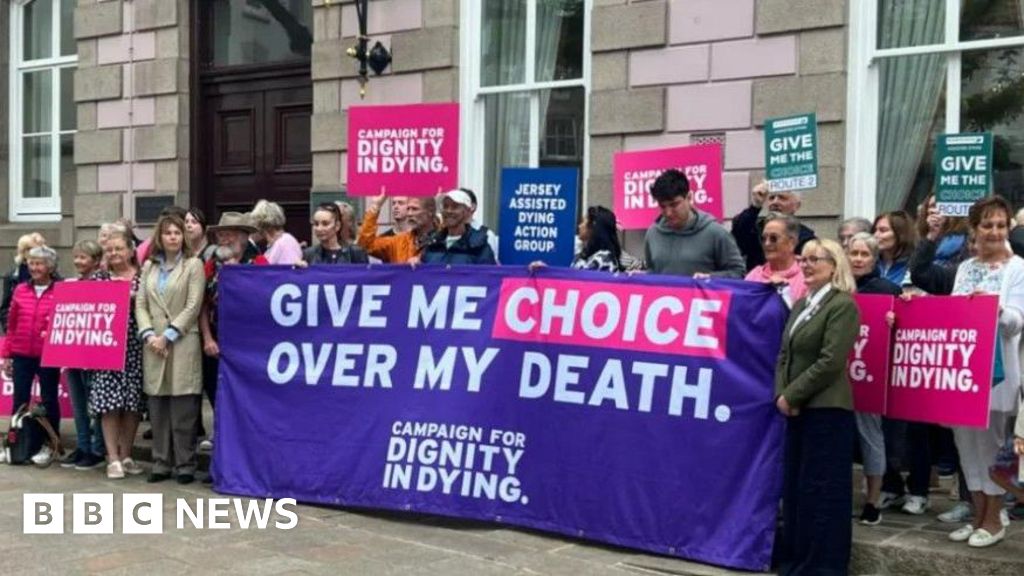
The proposals across the British Isles have, predictably, generated immense controversy, igniting passionate arguments from both proponents and opponents of the changes. Those in favour, often referred to as pro-choice advocates, champion the principles of compassion, dignity, and personal autonomy. They argue that individuals facing unbearable suffering from an incurable illness should have the right to choose the timing and manner of their death, thereby avoiding prolonged agony and ensuring a peaceful, dignified end. Lorna Pirozzolo, a Jersey resident living with terminal breast cancer, powerfully articulated this sentiment, stating: "Like so many terminally ill people I’ve spoken with, I’m not scared of dying, but I am terrified of suffering as I go. That’s why this law is so badly needed." She added that the reform brought "enormous relief, not just for me, but for future generations of islanders who deserve compassion, choice and dignity at the end of life."
Andrew Copson, chief executive of Humanists UK, echoed these sentiments, hailing the decision as a "momentous vote of confidence for compassion, dignity, and choice at the end of life." He emphasized that "for far too long, terminally ill people were denied the right to decide the manner and timing of their own deaths. Today, Jersey has changed that." Copson also highlighted that the Jersey proposals "contain strong safeguards and reflect the clear wishes of the public, who have spoken through citizens’ juries and repeated surveys," underscoring the democratic mandate behind the legislation. Proponents often point to the experiences of jurisdictions like Canada, Belgium, and several US states where assisted dying has been legal for years, citing evidence that strict safeguards can effectively prevent abuse and ensure patient safety. They argue that denying this option can force individuals to resort to desperate measures or endure prolonged, agonizing deaths, which they view as a profound injustice.
Conversely, opponents of assisted dying raise significant ethical, moral, and practical concerns. Many religious groups and disability rights organizations vehemently oppose the legislation, often citing the sanctity of life and the belief that all life is inherently valuable and should not be intentionally ended. They express profound worries about the potential for coercion or undue influence, particularly on vulnerable individuals who might feel pressured to choose assisted dying to avoid being a burden on their families or the healthcare system. There are also concerns about diagnostic errors or misprognosis, where an individual’s condition might be incorrectly deemed terminal or their life expectancy underestimated, leading to an irreversible decision. The "slippery slope" argument is frequently invoked, suggesting that once assisted dying is legalized for a specific group, the criteria could gradually expand to include other groups, potentially encompassing those with chronic conditions, mental health issues, or even non-terminal illnesses.
Opponents also stress the importance of robust palliative care as an alternative. They argue that with adequate pain management, psychological support, and holistic care, most suffering at the end of life can be alleviated, rendering assisted dying unnecessary. They advocate for investment in comprehensive palliative care services, believing that the focus should be on living well until death, rather than facilitating death itself. Furthermore, the role of medical professionals presents another layer of complexity. While safeguards often include provisions for conscientious objection, many healthcare providers grapple with the ethical dilemma of participating in a process that intentionally ends a life, a direct contradiction to the traditional Hippocratic oath to do no harm.

In Jersey, the legislative journey culminated in a decisive vote within the States Assembly, with 32 politicians voting in favour of the law and 16 voting against it. This two-thirds majority indicates strong support for the reform, despite the contentious nature of the topic. Jersey Minister for Health and Social Services, Tom Binet, confidently asserted that "Jersey would have one of the safest and most transparent assisted dying laws in the world." This statement reflects the extensive consultation process that preceded the vote, including citizens’ juries and public surveys, which aimed to craft a robust framework with comprehensive safeguards.
These safeguards are anticipated to be rigorous, likely including requirements for:
- Multiple Medical Assessments: Typically, two independent doctors, specializing in the patient’s condition, must confirm the terminal diagnosis, prognosis, and the patient’s mental capacity.
- Mental Capacity Evaluation: A psychiatric assessment might be required to ensure the patient is not suffering from depression or other mental health conditions that could impair their judgment.
- Informed Consent: The patient must be fully informed of all available palliative care options and alternatives.
- Repeated Requests: The patient must make multiple requests for assisted dying over a defined period, demonstrating a consistent and unwavering desire.
- Cooling-Off Period: A mandatory waiting period between the initial request and the final act is often included to allow for reflection.
- Independent Oversight: An independent body or panel is typically established to review each case, ensuring all legal requirements and safeguards have been met before approval.
The final step for the Jersey law is Royal Assent. As a Crown Dependency, Jersey’s legislation requires formal approval from the King, acting through the Privy Council in the UK. This process, while typically a formality for domestic legislation in self-governing dependencies, involves a review to ensure constitutional propriety and consistency with broader UK international obligations. While the UK government spokesperson indicated that processing times vary based on complexity, the clear legislative journey and public mandate in Jersey suggest a relatively smooth passage.
The approval of assisted dying in Jersey carries significant implications, both for its own residents and for the wider debate on end-of-life choices. For Jersey islanders, it offers a new dimension of autonomy and peace of mind for those facing the prospect of a painful, protracted death. It will necessitate practical adjustments within the island’s healthcare system, requiring training for medical professionals, establishment of review panels, and clear protocols for implementation. Beyond its shores, Jersey’s decision, alongside the Isle of Man’s, adds further weight to the arguments for similar reforms in England, Wales, Scotland, and Northern Ireland. These smaller jurisdictions are demonstrating that a carefully constructed and safeguarded assisted dying law can be successfully implemented within the British legal framework. The ongoing monitoring and review of the Jersey law’s operation will provide invaluable data and insights for other parliaments grappling with this profoundly personal and ethically charged issue. This momentous vote in Jersey marks a significant shift in the landscape of end-of-life care within the British Isles, signalling a growing acceptance of individual choice and dignity in the face of terminal illness.




 Roy Suryo

 Nakalama John
 atisusanti
