Roy Suryo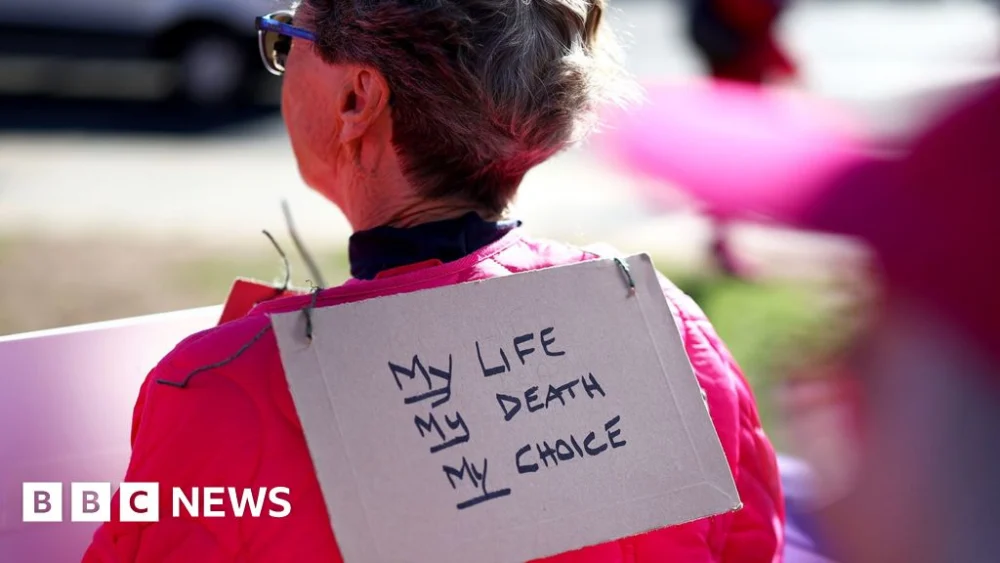
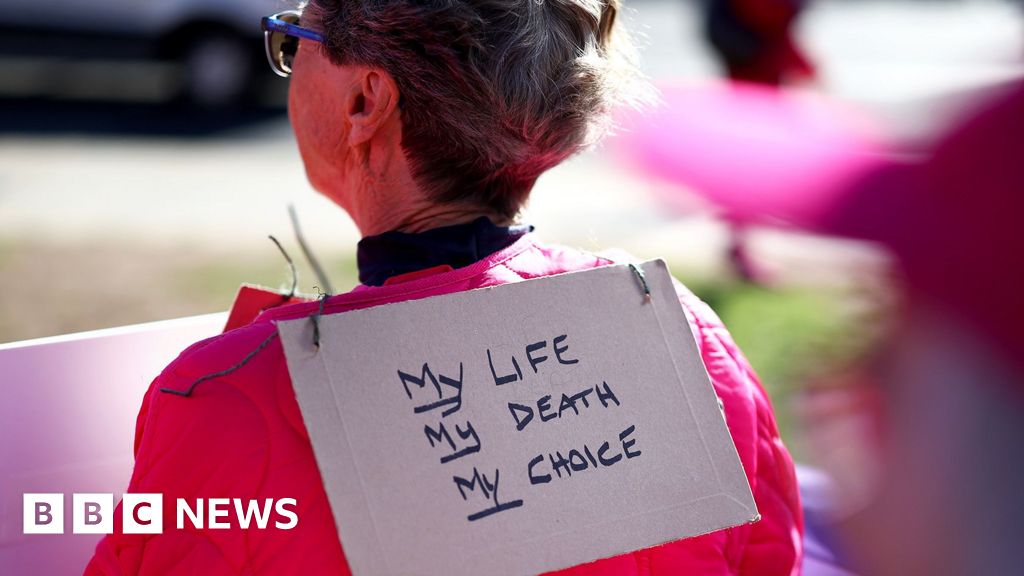
Jersey’s parliament, the States Assembly, has now formally passed its assisted dying bill following a final debate, marking a significant step in the island’s legal evolution. This landmark legislation will permit terminally ill adults with intact mental capacity to opt for an assisted death, provided they are expected to succumb within six months. For those with a neurological condition such as motor neurone disease, this timeframe is extended to 12 months. The Jersey bill distinguishes itself from proposals elsewhere in the British Isles through its provision for voluntary euthanasia, allowing doctors to administer a lethal dose intravenously, a method mirroring practices in Spain, Canada, New Zealand, and most Australian states. This approach has become increasingly favoured in jurisdictions where such a choice is legally permissible. In contrast, proposed laws in Westminster, Holyrood (Scotland), and Tynwald (Isle of Man) stipulate that death must be self-administered, typically involving the ingestion of a lethal substance, a method common in over a dozen US states that have legalised assisted dying.
Over a rigorous three-day period, Jersey’s parliament meticulously debated and voted on a series of amendments to its assisted dying bill. Notably, an attempt to restrict the prescription of lethal doses solely to cases where individuals are physically unable to self-administer was defeated. The parliament ultimately voted to retain a crucial waiver provision, empowering doctors to administer a lethal drug infusion even if the eligible person has lost capacity, potentially meaning they are no longer conscious. With the final vote secured, the Jersey bill is now set to proceed for Royal Assent, a process that is expected to be largely a formality. Royal Assent, the sovereign’s official sign-off, is a prerequisite for all bills passed by parliaments across the British Isles to become law. For Crown Dependencies like Jersey, this involves scrutiny by officials within the Ministry of Justice in London.
Jersey now finds itself in a similar situation to the Isle of Man, which passed its own assisted dying bill eleven months ago and is still awaiting Royal Assent. Reports suggest that queries have been raised concerning post-death reviews, the robustness of safeguards against coercion, and compliance with the European Convention on Human Rights. However, it is understood that the Justice Secretary, David Lammy, is not expected to block either the Jersey or Isle of Man legislation, as it does not directly impact the UK. Both islands have implemented residency requirements to deter "death tourism," with Jersey mandating 12 months of residency and the Isle of Man requiring five years. It is worth noting that individuals in the UK with sufficient financial resources can already access assisted dying services at Dignitas in Zurich, Switzerland, bypassing any parliamentary scrutiny within the British Isles. Consequently, both Jersey and the Isle of Man are currently in a holding pattern, awaiting the final legislative approval for their assisted dying bills.
Following legislative approval, an implementation phase will commence, during which the respective health services will prepare for the new law. This will involve comprehensive training for medical staff and the establishment of necessary facilities. Jersey’s Health Minister, Tom Binet, has indicated to the BBC that the first assisted death on the island, which has a population exceeding 100,000, could occur within 18 months. He anticipates that the first year of the law’s operation will see between two and four deaths, with this number expected to gradually increase over time. Similarly, the Isle of Man, with a population of approximately 85,000, also forecasts a very small number of assisted deaths annually.
Meanwhile, in the parliaments of England, Wales, and Scotland, assisted dying laws remain under active scrutiny. Had the vote in the Senedd (Welsh Parliament) favoured a different outcome, and had the Westminster bill been passed, assisted dying in Wales would have been confined to private providers rather than being integrated into the NHS. Many Members of the Senedd (MSs) express regret that, unlike Scotland and the Crown Dependencies, the Welsh Assembly lacks the authority to introduce its own assisted dying legislation.

The proposed bill in Westminster, often referred to as the Leadbeater bill, is facing significant opposition in the House of Lords. Despite successfully navigating all stages in the House of Commons, it is highly probable that it will run out of parliamentary time. An overwhelming number of amendments, exceeding 1,200 in total, have been tabled in the Lords, with a substantial portion (700) introduced by just eight peers. If the bill fails to pass before the conclusion of the current parliamentary session, it will be automatically invalidated. It would then be incumbent upon another Member of Parliament to reintroduce the bill following the next King’s Speech. This would necessitate campaigners securing the support of an MP who has drawn a high number in the private members’ ballot to champion their cause. Subsequently, the bill would have to undergo all its stages in the Commons once more before returning to the Lords. The Parliament Act could potentially be invoked, which would empower the Commons to override any prolonged blockage by the upper house.
In Scotland, the Member’s Bill introduced by Liam McArthur MSP has reached Stage 3. If successful in its vote, it will proceed to Royal Assent. A notable difference from the Westminster process is the absence of a requirement for a multi-disciplinary panel, comprising a lawyer, psychiatrist, and social worker, to review each individual case.
Finally, regarding Northern Ireland, assisted dying is a devolved matter, meaning any legislative initiative would need to originate from the Northern Ireland Assembly. At present, the likelihood of such legislation being introduced in the near future appears improbable.




 Nakalama John
 atisusanti
 Ramos Leo