Roy Suryo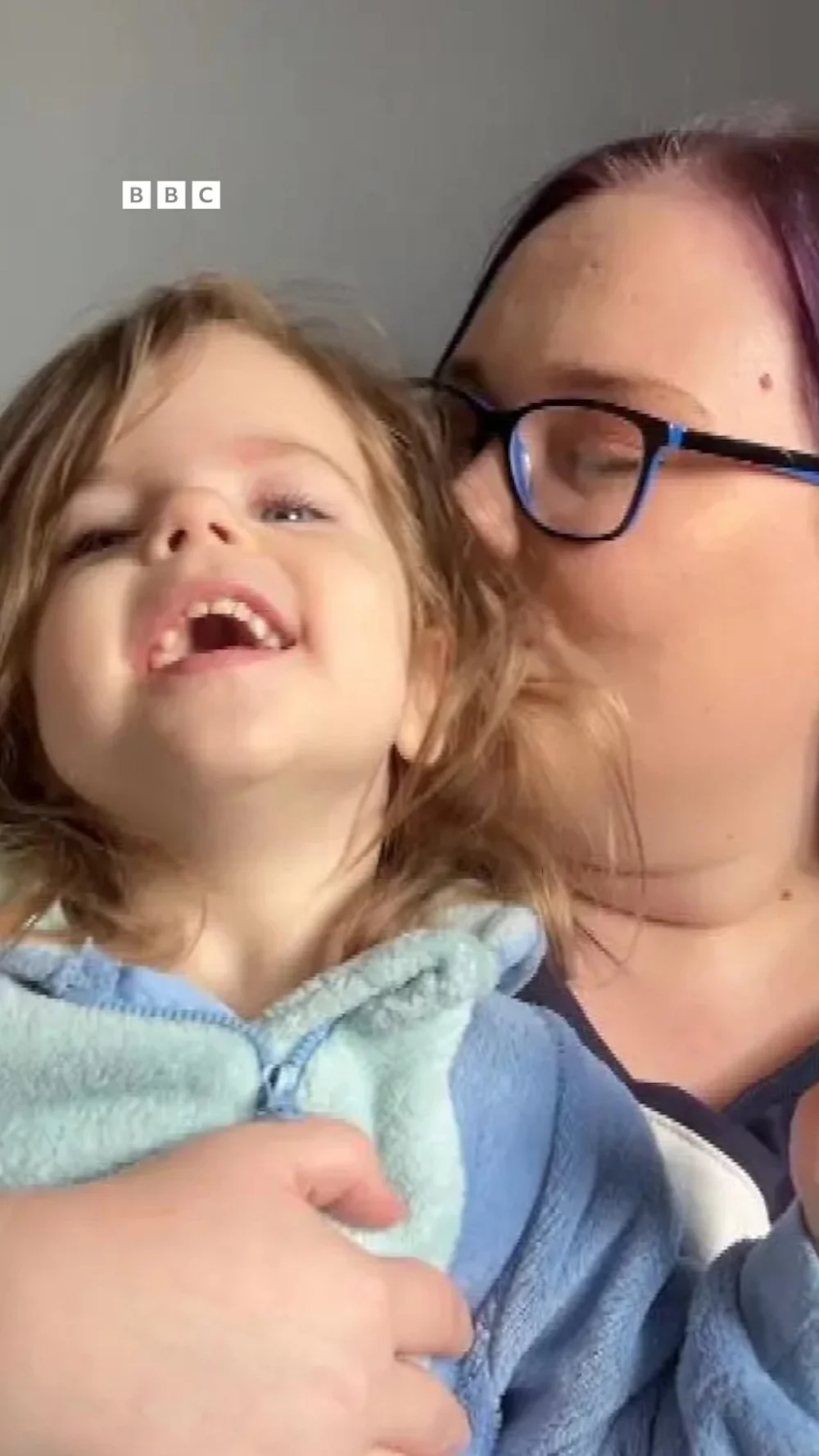
The harrowing account of Angel-Kay Mason, a 19-year-old mother whose daughter was born with severe brain damage, paints a devastating picture of perceived neglect during her pregnancy. Mason, who fell pregnant in June 2022, asserts that her concerns were repeatedly dismissed by healthcare professionals, leading to a tragic outcome. "I attended A&E multiple times complaining of pain, tachycardia (increased heart rate), sickness – I couldn’t keep anything down… but they didn’t listen," she stated, her voice etched with the profound grief and frustration of a mother who believes her child might have been spared such suffering.
Mason’s pregnancy, from its outset, was fraught with potential complications. A significant family history of complex pregnancies meant she was, by definition, a high-risk case. This classification, however, did not translate into the enhanced level of care Mason believes was warranted. She claims she was never referred to a specialist consultant, a crucial step for managing high-risk pregnancies, and consequently did not receive any additional scans beyond the routine. The absence of specialized oversight, she contends, meant that vital signs of distress were potentially missed or underestimated. The implications of this perceived oversight are now a constant, painful reality for Mason and her family.
The details of Mason’s multiple visits to A&E during her pregnancy are critical to understanding her deep-seated feelings of being unheard. She repeatedly presented with a cluster of concerning symptoms: severe pain, a racing heart, and persistent nausea so debilitating that she couldn’t retain any food or fluids. These are not trivial complaints; they are indicative of potential serious issues that require thorough investigation and prompt medical intervention. The fact that she felt compelled to seek emergency care on multiple occasions, only to have her concerns allegedly dismissed, speaks volumes about the breakdown in communication and trust she experienced. Each visit, meant to offer reassurance and care, appears to have instead amplified her anxiety and deepened her sense of isolation.
The specific nature of her daughter’s brain damage, while not fully detailed in the initial statement, is understood to be severe, profoundly impacting the child’s development and quality of life. This outcome, Mason believes, is directly linked to the care she received, or rather, the care she feels she didn’t receive. The notion that a preventable tragedy occurred due to a failure to heed a mother’s instincts and physical complaints is a deeply disturbing one, raising serious questions about the protocols and vigilance surrounding high-risk pregnancies within the healthcare system.
Mason’s age, 19, at the time of her pregnancy, while not inherently a risk factor for complications, can sometimes mean that young mothers may face additional challenges in asserting their needs or may be perceived by healthcare providers as less experienced or knowledgeable about their own bodies. This can, unfortunately, exacerbate existing vulnerabilities and contribute to a feeling of being patronized or dismissed. The combination of a high-risk pregnancy due to genetics and her youth might have created a confluence of factors that unfortunately worked against her receiving optimal care.
The article’s reference to a link for further reading ("Tap here to read more") suggests that this is part of a larger unfolding story, likely involving ongoing investigations, legal proceedings, or a more in-depth report. The gravity of the situation demands a comprehensive exploration of the events leading up to the birth and the subsequent diagnosis. It is essential to understand the specific medical advice given (or not given), the decisions made by the healthcare providers, and the established protocols for managing pregnancies with a known history of complications.
The emotional toll on a mother in such circumstances is immeasurable. The joy and anticipation of welcoming a child are tragically overshadowed by the fight for their well-being and the gnawing question of "what if." Mason’s statement, "they didn’t listen," encapsulates this profound sense of betrayal and loss. It is a cry for accountability and a plea for recognition of the critical role mothers play in advocating for their own health and the health of their unborn children.
The potential ramifications of this case extend beyond the immediate family. It serves as a stark reminder to healthcare providers of the importance of active listening, thorough assessment, and a non-judgmental approach to all patient concerns, regardless of age or perceived experience. For expectant mothers, particularly those with pre-existing risk factors, it underscores the necessity of being informed about their rights, understanding their conditions, and persistently advocating for the care they believe they need.
The family history of complex pregnancies is a crucial piece of information. This suggests a genetic predisposition to difficulties during gestation, which should have automatically triggered a higher level of scrutiny and specialized management. The absence of a consultant referral in such a scenario is a significant deviation from standard best practice for high-risk pregnancies. Consultant obstetricians are specialists trained to manage intricate cases, identify subtle signs of distress, and implement timely interventions to safeguard both mother and baby.
The repeated presentations to A&E with symptoms like severe pain and tachycardia are red flags that should have been acted upon more decisively. Tachycardia, or an elevated heart rate, can be an early indicator of fetal distress or maternal compromise. When coupled with severe pain and an inability to keep anything down, these symptoms collectively point towards a significant physiological stressor that demands immediate and thorough investigation. The failure to escalate care or conduct further diagnostic tests, such as continuous fetal monitoring or more detailed ultrasounds, is at the heart of Mason’s accusations.
The implications of brain damage in a newborn are life-altering. These children often require lifelong medical care, specialized therapies, and significant support for developmental, cognitive, and physical challenges. The emotional and financial burden on families can be immense, compounded by the profound grief of a child not developing as expected, and the persistent questioning of whether this outcome could have been averted.
Moving forward, a thorough and independent investigation into Angel-Kay Mason’s case is paramount. This would involve a meticulous review of her medical records, interviews with all healthcare professionals involved in her antenatal and intrapartum care, and an assessment of whether established protocols were followed. Such an investigation is not only crucial for providing answers and potential redress for Mason and her daughter but also for identifying any systemic issues within the healthcare system that may have contributed to this tragic outcome. Lessons learned from such cases can inform policy changes, enhance training for healthcare professionals, and ultimately improve the safety and quality of care for future mothers and babies. The hope is that by sharing her story, Mason can prevent other families from enduring similar heartbreak.



 Nakalama John
 atisusanti
 Ramos Leo