Nana Banana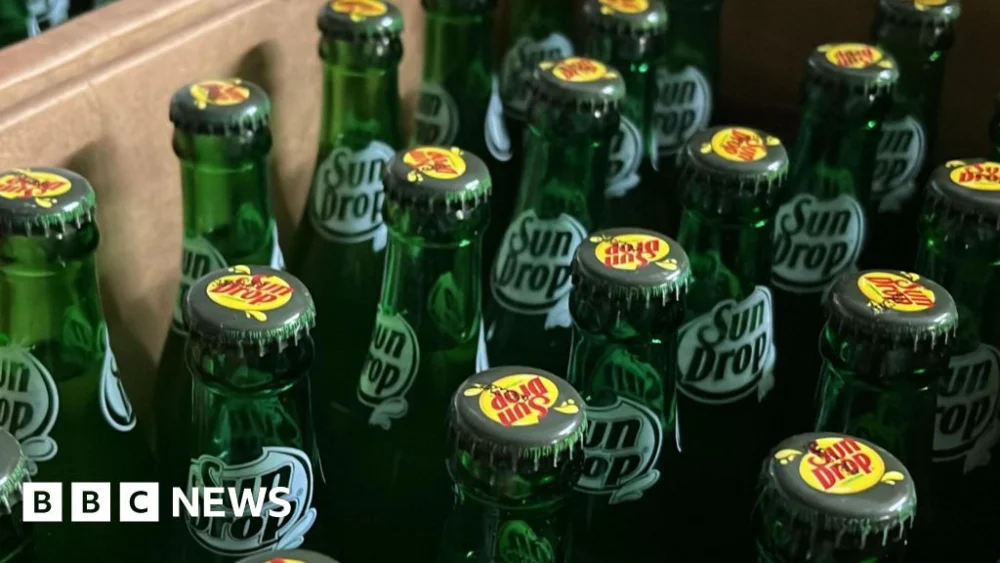
For nearly a century, stretching from the early 1900s until the widespread adoption of plastic packaging in the 1960s, the practice of returning soda bottles was a standard aspect of American consumer culture. Customers would pay a small deposit for the robust, sturdy glass bottles, a sum they would then reclaim upon returning the empties to the local shop. These bottles weren’t merely recycled; they were meticulously washed, sanitized, and refilled, embarking on countless journeys from the bottling plant to homes and back again. This circular system, an inherent part of daily life for generations, fostered a sense of community responsibility and resourcefulness.
Tragically, the allure of cheap, lightweight, and convenient plastic, coupled with evolving logistical complexities, led to the gradual phasing out of this environmentally sound system across most of the beverage industry. However, one resilient soft drinks producer, the multi-generational Twig’s Beverage, refused to abandon its roots. Located in the close-knit community of Shawano County, Wisconsin, Twig’s has defiantly maintained this tradition, offering its loyal clientele a tangible connection to a more sustainable past.
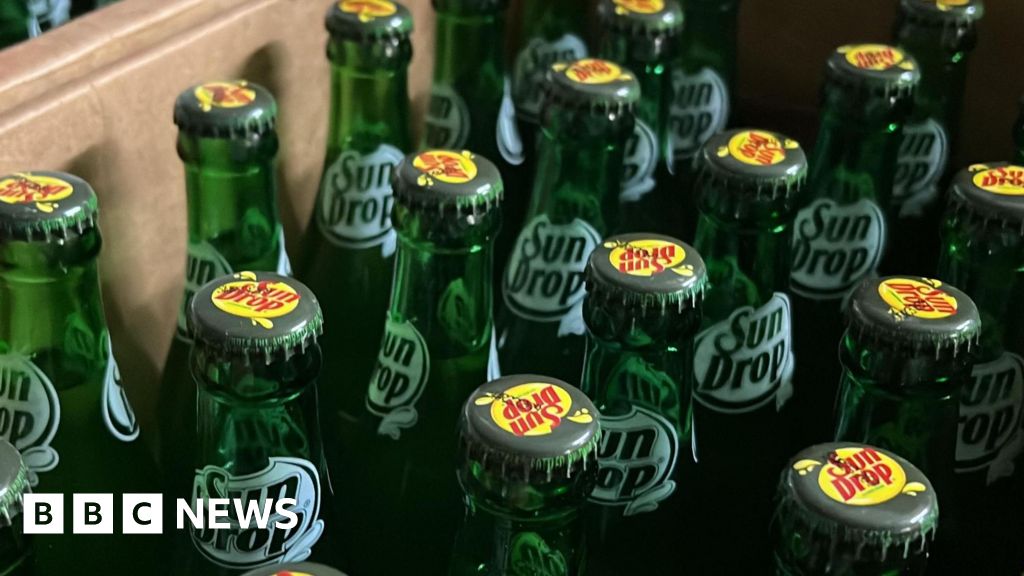
Customers within its home county participate in this enduring system by paying a $20 (£15) deposit for a case of 24 bottles. This financial incentive, while modest, underscores the value of the glass containers. What truly sets Twig’s apart is the direct engagement it fosters: patrons can bring their empty bottles directly to the Twig’s factory in the city of Shawano, not just for a deposit refund, but to have those very same bottles refilled. It’s a testament to the durability of glass and Twig’s commitment that some of these vintage bottles, still circulating through the washing and bottling lines, have been going strong for 60 years or even longer.
Ben Hartwig, the vice-president of Twig’s Beverage and a third-generation leader, articulates the profound connection customers have with this unique practice. "We’ve been seeing some families come in for years," he explains, highlighting the intergenerational aspect. "Cases get passed down and the next family member gets to bring them in. That nostalgic feel is something that long-time customers love; they cherish those cases like gold." He speaks with a clear sense of pride about the longevity of their containers. "When you look at the date on the bottom of the 16oz bottles, some were manufactured in the 1960s and 70s. It’s really cool to see them still going through our washer today. We’d love to keep the tradition alive as long as we can." This sentiment underscores not just a business model, but a cultural preservation effort.
The story of Twig’s Beverage began in 1951, born from an unexpected moment of inspiration. Floyd Hartwig, Ben’s grandfather, was recuperating in a Tokyo hospital bed, recovering from severe injuries sustained after being shot in both legs during the Korean War. It was there, amidst the uncertainties of post-war recovery, that a vision for a new enterprise took root. "That’s where he came up with the idea of starting a soda-bottling business," Ben recounts. The timing was fortuitous; the sector was experiencing a significant boom during the post-World War Two economic prosperity, as consumers increasingly preferred convenient take-home beverages over traditional soda fountain experiences.
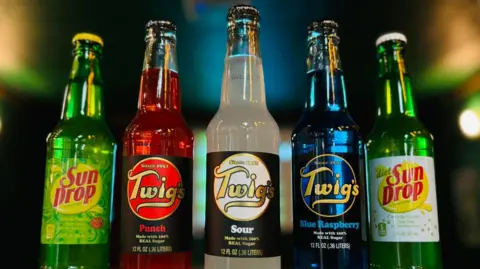
Twig’s signature product is Sun Drop, a zesty, citrus-flavoured soft drink originally developed in Missouri in the 1940s. Today, the Sun Drop brand is a property of the American drinks giant Keurig Dr Pepper. However, Twig’s operates under a licensing agreement, continuing to manufacture and distribute Sun Drop within its designated Wisconsin territory, while remaining a fiercely independent, family-owned company. This arrangement makes Twig’s a rarity: it is the last remaining manufacturer of Sun Drop to utilize returnable glass bottles, distinguishing itself from other licensees who have long since transitioned to plastic. Furthermore, in a market saturated with high-fructose corn syrup, Twig’s adheres to an original formulation, still using real sugar, a detail cherished by purists and a significant factor in its distinct taste and appeal.
Beyond Sun Drop, Twig’s also produces its own delightful range of fruit sodas under its eponymous brand. Flavours like classic root beer, rich black cherry, vibrant orange, and tangy lime offer a diverse selection, all bottled with the same commitment to quality. While the licensing agreement restricts Twig’s from selling Sun Drop outside its agreed-upon area, the company is now strategically aiming to expand the sales of its own-name sodas across the broader Midwest region. These new ventures will still be packaged in glass bottles, maintaining the company’s aesthetic and quality standards. However, for the foreseeable future, these bottles will be designed for recycling rather than return. "We are slowly picking up distributors and growing the brand," says Hartwig, detailing their measured expansion strategy. "We hope to get Twig’s throughout the entirety of the Midwest and go from there."
Explaining the pragmatic decision to shift to non-returnable glass for wider distribution, Hartwig acknowledges the logistical realities of a sprawling market. "If the people purchasing them are from a different state, it’s very unlikely they’ll bring them back," he states. The economic and environmental viability of a deposit-return scheme hinges on a localized, efficient collection network, which becomes exponentially more complex and costly across vast geographical distances. This adaptation reflects a careful balance between preserving their core ethos and embracing practicalities for growth.

Now celebrating its 75th anniversary, Twig’s Beverage is deeply interwoven into the cultural fabric of Shawano, a tight-knit city home to just over 9,000 residents. The company’s presence extends beyond commerce, fostering community spirit through events like Sun Drop Dayz. Held annually on the first weekend of June since 2017, this community fundraiser features live music, engaging activities, and celebrates the local connection to the iconic soda. Visitors to Shawano can also embark on tours of the Twig’s on-site museum, where they can immerse themselves in the company’s rich history, hear its story first-hand, and witness the handcrafted soda-making process in action, observing the machinery that meticulously washes, fills, and caps the enduring glass bottles.
Despite its cherished traditions and community ties, the day-to-day operation of Twig’s is not without its challenges. Fluctuating prices of essential ingredients, particularly sugar, represent a persistent threat to profit margins and pricing stability. "We are always looking at ways to avoid increasing our prices such as by working with different sugar manufacturers," Hartwig explains. He also highlights the human element in their supply chain: "But a lot of our suppliers we have known for years and they’ve become friends, so it gets tough." This personal connection to suppliers underscores the firm’s relationship-based business model. "There are always hurdles but that’s what’s nice about Twig’s being a family business; we come together, share ideas, and see how we can overcome them," he adds, emphasizing the strength derived from their familial collaboration.
In an industry largely dominated by multinational corporations and ubiquitous brands, consumers might be surprised to learn that a significant number of family-owned soft drinks firms continue to thrive across the US. A spokesperson for the American Beverage Association confirms this often-overlooked reality: "The beverage industry is actually a system of small, independent businesses, some of which have been in the same families for generations. Many produce brands that have been around for more than 100 years." Twig’s Beverage is a vibrant example of this enduring legacy, demonstrating that heritage and quality can still command a loyal following.
Looking ahead, Ben Hartwig harbors hopes that his own two children will choose to continue the family enterprise, ensuring the legacy of Twig’s extends into a fourth generation. "Our biggest success is keeping on the traditions we have had over the last 75 years, and seeing them passed down from generation to generation. There have been difficult times, but we have kept going," he reflects, his words imbued with a deep sense of pride and resilience. "The key to Twig’s longevity is our passion for the brand and the community itself. The people who come in week after week, and stayed loyal, are the reason we’ve been successful."
Hartwig concludes with an optimistic gaze towards the future: "My grandpa started the business in a small building, and my dad was able to expand and grow it, so it’ll be interesting to see where me and my brothers are able to take it next. It should be a fun journey." Twig’s Beverage stands as a remarkable testament to the power of tradition, community loyalty, and a steadfast commitment to sustainable practices, proving that in a world racing forward, sometimes looking back offers the most refreshing path.




 Roy Suryo