Nana Banana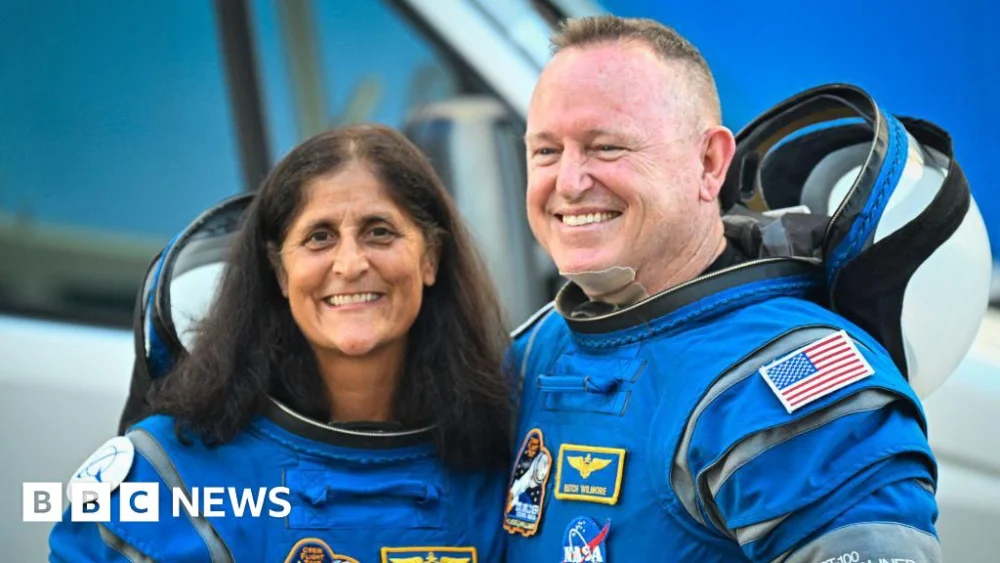
The "Type A" classification is Nasa’s gravest designation for incidents, reserved for those causing more than $2 million (£1.49 million) in damage, resulting in the loss of a vehicle or its control, or, most tragically, fatalities. While the 2024 Starliner incident thankfully did not result in the loss of life, the agency’s statement made it clear: "While there were no injuries and the mission regained control prior to docking, this highest-level classification designation recognises there was potential for a significant mishap." This potential for catastrophe, coupled with the extraordinary duration of the astronauts’ unplanned stay aboard the International Space Station (ISS), elevated the incident to a level of severity previously associated with America’s most heartbreaking space tragedies.
Jared Isaacman, the outspoken new head of Nasa, did not mince words in his condemnation of both Boeing, the aerospace giant responsible for Starliner’s construction, and elements within Nasa itself. On Thursday, Isaacman blasted the poor decision-making and leadership that he asserted directly contributed to the mission’s dramatic failures. He highlighted a troubling pattern: the Starliner spacecraft had faced numerous critical issues throughout its prior test missions and developmental phases, yet despite these red flags, it was ultimately accepted for this crewed flight test. "We are correcting those mistakes. Today, we are formally declaring a Type A mishap and ensuring leadership accountability so situations like this never reoccur," Isaacman stated, signaling a forceful shift in the agency’s approach to oversight and contractor relations.
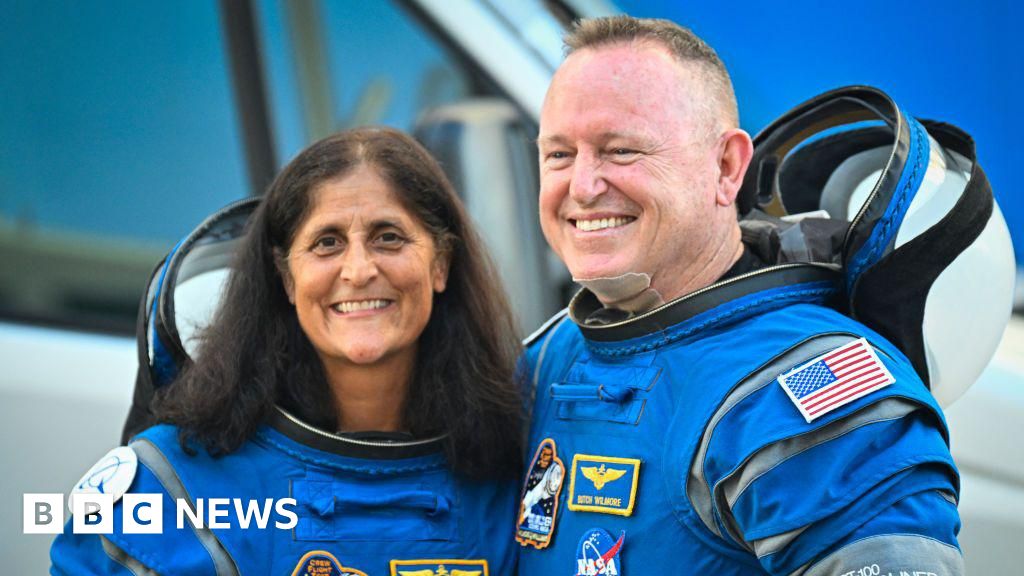
The incident drew global attention and widespread concern as Nasa astronauts Butch Wilmore and Suni Williams found themselves stranded far longer than their planned eight-to-14-day mission. Launched in 2024, the mission was plagued from its earliest stages by a series of technical anomalies, including multiple helium leaks in the propulsion system and issues with valve functionality. These critical failures prevented Starliner from returning the astronauts to Earth as scheduled, forcing them to remain on the ISS for over nine months before a rescue mission could be mounted. Their eventual return home, facilitated by a SpaceX Crew Dragon spacecraft in March 2025, brought a collective sigh of relief, but also left a lingering question mark over the viability and safety of the Starliner program. Both veteran pilots, having endured the protracted ordeal, have since retired from active astronaut duty.
Nasa’s 312-page report, the culmination of an independent investigation commissioned by the agency, paints a damning picture of the underlying issues. The comprehensive review identified a confluence of factors contributing to the near-catastrophe, including significant hardware failures, profound leadership missteps within both Nasa and Boeing, and deep-seated cultural problems within the organizations responsible for Starliner’s development and certification. Investigators pinpointed a lack of robust engineering oversight and a pervasive culture of complacency at Boeing, transforming what should have been a routine, short-duration flight into a perilous, months-long ordeal for Williams and Wilmore. The report meticulously detailed how inadequate testing protocols, communication breakdowns, and a rushed schedule compromised safety standards, leading to the series of malfunctions that incapacitated Starliner’s autonomous return capability.
The comparison to the Challenger and Columbia disasters is not made lightly. The 1986 Challenger tragedy saw the shuttle explode shortly after launch due to a faulty O-ring seal, killing all seven astronauts on board. The 2003 Columbia disaster occurred during re-entry when a piece of foam insulation detached from the external tank during launch, damaging the wing and causing the shuttle to disintegrate, again killing all seven crew members. Both events led to exhaustive investigations, major overhauls of Nasa’s safety protocols, and significant pauses in the shuttle program. By placing the Starliner incident in the same "Type A" category, Nasa is signaling that even without direct loss of life, the potential for such an outcome, stemming from similar systemic failures in design, testing, and oversight, was equally present. This equivalence highlights the gravity of the institutional shortcomings identified in the report.
Boeing’s Starliner program has been beset by delays, cost overruns, and technical glitches for years, dating back to its uncrewed test flight in 2019, which failed to reach the ISS due to software errors. This latest incident is not an isolated event but rather fits into a broader pattern of quality control issues that have plagued Boeing’s commercial aerospace division, most notably with its 737 MAX aircraft. The Starliner contract, initially awarded in 2014 as part of Nasa’s Commercial Crew Program alongside SpaceX’s Crew Dragon, was intended to restore America’s independent human spaceflight capability after the retirement of the Space Shuttle fleet in 2011. The program aimed to foster competition and innovation by relying on private companies, but Starliner’s repeated setbacks have placed immense pressure on both Boeing and Nasa to deliver.
The extended duration of the astronauts’ stay on the ISS undoubtedly took a toll. While trained for long-duration missions, the uncertainty surrounding their return, the constant troubleshooting from the ground, and the knowledge that their primary ride home was compromised would have presented significant psychological challenges. Astronauts Williams and Wilmore, both highly experienced spacefarers, demonstrated remarkable resilience and professionalism throughout their unexpected orbital odyssey, but the ordeal underscored the critical importance of reliable spacecraft for crew safety. Their safe return, albeit delayed and via another provider, was a testament to international cooperation and the contingency planning within the space community.
The financial implications of the Starliner program’s failures are staggering. Boeing’s contract with Nasa for Starliner development and missions has already swelled to over $4.5 billion, significantly more than SpaceX’s comparable contract. Each delay and each anomaly adds to these costs, draining taxpayer money and diverting resources. The "Type A" designation, with its minimum $2 million damage threshold, is a stark reminder of the financial penalties of failure, but the true cost extends far beyond monetary figures, encompassing reputational damage and a potential loss of public trust in commercial space ventures.
In the wake of the independent investigation’s findings, Nasa has pledged to accept the report as final and is taking immediate corrective actions to address its myriad recommendations. These actions are expected to include a thorough review of Boeing’s manufacturing processes, enhanced oversight mechanisms for critical components, and a re-evaluation of Nasa’s own certification and risk assessment procedures. Isaacman’s strong words regarding "leadership accountability" suggest that personnel changes and systemic reforms within Nasa may also be forthcoming, aimed at preventing similar oversights and fostering a more rigorous safety culture.
The Starliner saga represents a critical inflection point for Nasa’s Commercial Crew Program and the broader strategy of partnering with private industry for space exploration. While SpaceX has largely succeeded in its role, Starliner’s struggles highlight the inherent risks and complexities of developing new human-rated spacecraft. As Isaacman aptly summarized, "While Boeing built Starliner, Nasa accepted it and launched two astronauts to space. To undertake missions that change the world, we must be transparent about both our successes and our shortcomings. We have to own our mistakes and ensure they never happen again." This commitment to transparency and accountability will be paramount as Nasa navigates the future of human spaceflight, striving to ensure that the ambition of reaching for the stars is always matched by an unyielding dedication to safety and excellence.


 George Anjay
 Nakalama John
 atisusanti
 Ramos Leo