Nana Banana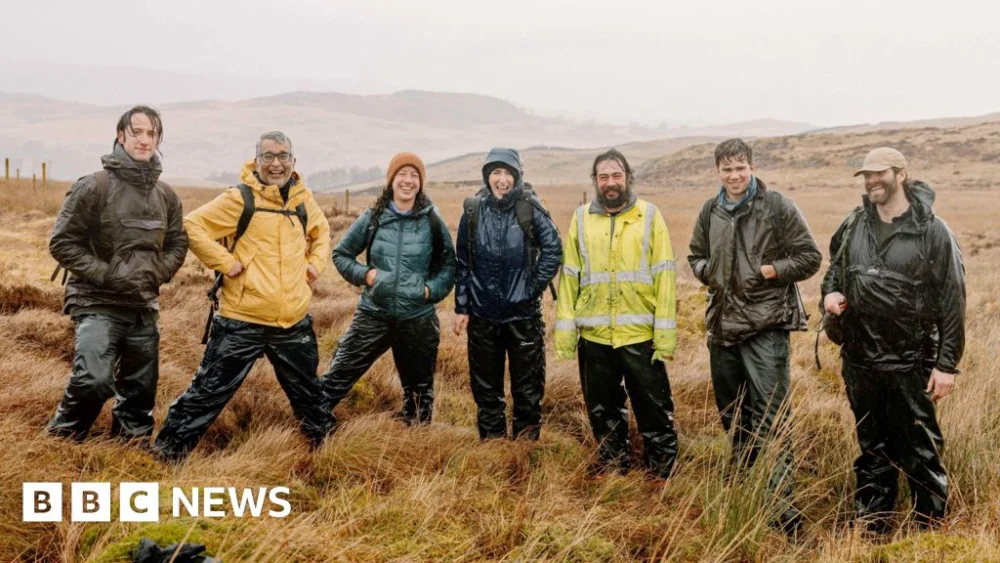
Researchers involved in this groundbreaking study are focusing intensely on whether microscopic soil organisms, specifically a diverse array of fungi, possess the capacity to significantly enhance tree survival and growth consistently across varied planting sites. This inquiry is not merely academic; it seeks to provide actionable insights that can revolutionise woodland creation strategies, moving beyond simple tree planting to a more holistic, ecosystem-centric approach.
Dr. Mo Verhoeven, a lead conservation scientist at the Royal Society for the Protection of Birds (RSPB), elaborated on the strategic choice of Cumbria as the primary research location. He highlighted that the region’s unique historical land use, marked by extensive grazing for hundreds of years, has led to a significant ecological transition. The indigenous fungal communities that historically supported native woodlands have largely been replaced by fungi more adapted to grasslands. This shift presents a considerable challenge for re-establishing robust tree populations, making Cumbria an ideal living laboratory to study the dynamics of fungal succession and its implications for forest restoration.
The fungi central to this research are known as mycorrhizal fungi. These extraordinary organisms form a symbiotic, mutually beneficial partnership with the roots of trees and other plants. They essentially function as an intricate, subterranean support network, an "underground internet" of life. In this remarkable exchange, the fungi extend their filamentous hyphae far beyond the reach of the tree’s own roots, effectively scavenging for essential nutrients like phosphorus and nitrogen, and critically, accessing water from a much larger volume of soil. In return, the trees, through photosynthesis, provide the fungi with vital carbohydrates (sugars), which are carbon compounds they cannot produce themselves. This intricate biological barter system is fundamental to the health and survival of most terrestrial plant life, particularly in nutrient-poor or drought-prone soils.
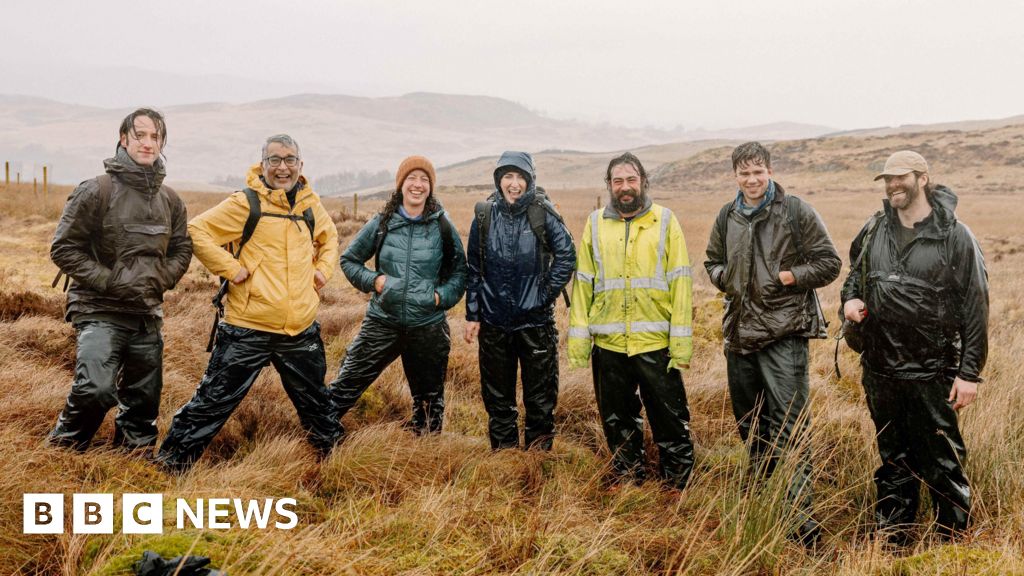
The research methodology involves a rigorous process of collecting soil samples from various points across the Wild Haweswater site. These samples will then undergo sophisticated laboratory analysis to identify and characterise the different kinds of mycorrhizal fungi present within the soil matrix. This involves DNA extraction, amplification, and high-throughput sequencing techniques to generate a comprehensive genetic profile of the fungal communities. Bioinformatic tools will then be employed to analyse this vast amount of genetic data, allowing researchers to pinpoint specific fungal species, assess their abundance, and map their distribution patterns.
Knowing precisely which fungal species are present, and in what quantities, is paramount. Dr. Verhoeven emphasised that this detailed understanding "could inform where and how we plant trees, and also which pieces of tree we plant." This means that future woodland creation efforts could become far more targeted and effective. For instance, if certain areas are found to lack the necessary mycorrhizal partners for specific tree species, strategies could be developed to introduce appropriate fungal inoculants, or alternative tree species known to thrive with the existing fungal communities could be selected. Conversely, areas rich in beneficial mycorrhizae could be prioritised for planting.
Without the correct and robust fungal partners, trees face a significantly uphill battle for survival. Dr. Verhoeven warned that trees planted in soil devoid of the right mycorrhizal associations would have "a much harder time" establishing themselves. This struggle could manifest as stunted growth, increased susceptibility to diseases and pests, and a reduced capacity to withstand environmental stressors such as drought or nutrient scarcity, ultimately leading to a higher rate of "death of the tree." The implication is clear: investing in understanding and nurturing the underground world is as crucial as planting the trees themselves.
The ambitious landscape restoration programme at Wild Haweswater is a collaborative effort, spearheaded by Cumbria Connect. This initiative brings together a powerful consortium of environmental organisations and landowners, pooling their expertise and resources for maximum impact. Key partners include the RSPB, which manages significant landholdings and brings extensive ecological restoration experience; United Utilities, the landowner responsible for the Haweswater reservoir catchment, which has a vested interest in improving water quality and enhancing biodiversity; and the Society for the Protection of Underground Networks (Spun). Spun is a non-profit organisation dedicated to mapping and understanding the vast, often overlooked, fungal networks beneath the Earth’s surface, contributing invaluable scientific expertise in mycology and soil ecology to the project.
Bethan Manley, a lead Computational Biologist at Spun, articulated the broader vision for the project, stating that the ultimate aim is to "improve confidence in woodland creation" by fundamentally "working with natural processes." This statement encapsulates a paradigm shift in conservation. Improving confidence means increasing the success rates of tree planting initiatives, reducing the economic and ecological costs associated with failed plantings, and ensuring that new woodlands are genuinely resilient and self-sustaining. Working with natural processes implies a departure from purely artificial interventions, instead seeking to understand and mimic the intricate ecological dynamics that allow forests to thrive naturally. This includes recognising the soil as a living ecosystem, not just a substrate, and leveraging the power of biological interactions like those between trees and mycorrhizal fungi.
The implications of this research extend far beyond Haweswater. The insights gained from understanding the specific fungal communities and their roles in different soil types and land-use histories could be scaled up and applied to woodland creation projects across the entire country, and indeed, globally. As nations grapple with climate change and biodiversity loss, reforestation and afforestation efforts are becoming increasingly critical. However, simply planting trees is not enough; ensuring their long-term survival and ecological functionality requires a deep appreciation for the complex interplay of factors, especially those hidden beneath the soil surface.
Healthy fungal networks are not just beneficial for individual trees; they are fundamental to the provision of essential ecosystem services. Mycorrhizal fungi play a significant role in carbon sequestration, locking carbon away in the soil, which is crucial for mitigating climate change. They enhance soil structure, improving water infiltration and reducing erosion, thereby contributing to flood mitigation. Furthermore, diverse fungal communities support a wider range of biodiversity, creating more robust and resilient ecosystems. This research at Wild Haweswater represents a forward-thinking approach to rewilding and ecosystem restoration, recognising that the future of our forests depends as much on the unseen world beneath our feet as it does on the visible trees above ground. By unlocking the secrets of these subterranean networks, scientists hope to pave the way for a new era of successful and ecologically sound woodland creation, ensuring that the trees planted today can flourish for generations to come, enriching both nature and human well-being.



 Roy Suryo