Nakalama John
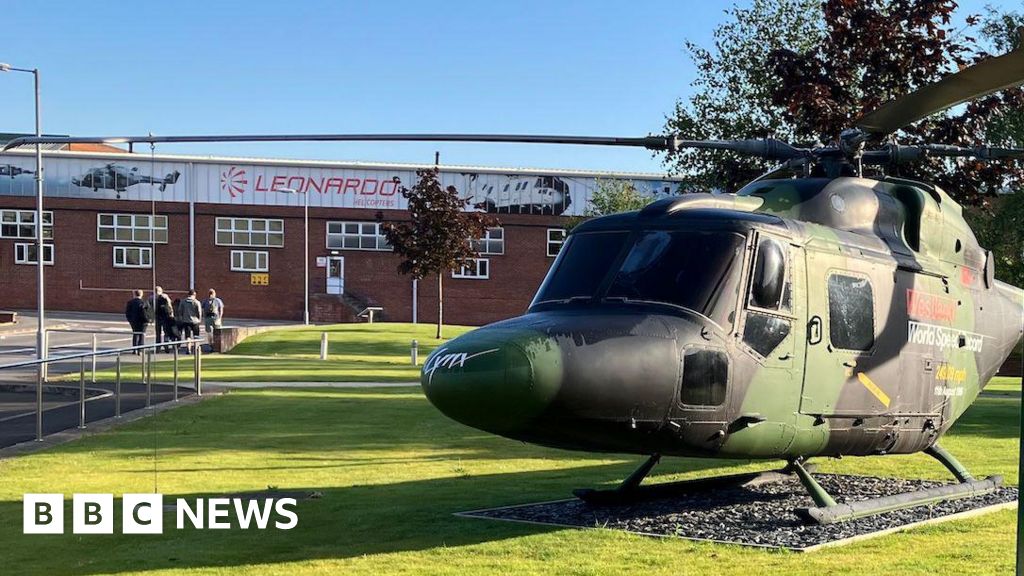
The UK government has today confirmed its intention to greenlight a critical £1 billion purchase of military helicopters from Leonardo’s specialist factory in Yeovil, Somerset, ending weeks of intense speculation and uncertainty. The decision, which comes after a dramatic intervention by Chancellor Rachel Reeves and Prime Minister Sir Keir Starmer, safeguards thousands of high-skilled manufacturing jobs and bolsters Britain’s domestic defence capabilities. The long-awaited agreement will see the Italian-owned company, Leonardo Helicopters, build a fleet of 23 next-generation multi-role defence helicopters, ensuring the continued operation of the UK’s last remaining military helicopter manufacturing site.
The announcement brings a palpable sense of relief to the 3,000 employees at the Yeovil plant, as well as the estimated 9,000 workers supported across the wider UK supply chain. The factory’s future had been precariously balanced, with the tender for the contract set to expire on March 1st. Just yesterday, the anticipated visit by Defence Secretary John Healey to officially award the contract was abruptly cancelled, plunging the facility and its workforce into a state of acute limbo and sparking fears that the deal might collapse entirely. However, late-night discussions and high-level intervention ultimately paved the way for today’s positive resolution.
Treasury sources, speaking to the BBC, confirmed that the deal would indeed be signed off on Friday, following a decisive push from the highest echelons of government. Chancellor Rachel Reeves and Prime Minister Sir Keir Starmer reportedly chose to step in directly, recognising the profound economic and strategic implications of letting such a vital contract fall through. A Treasury source underscored the Chancellor’s conviction, stating that Ms. Reeves "did not want the deal to collapse on her watch, because security and growth were fundamentally connected." This sentiment highlights a broader governmental philosophy that sees robust defence spending not merely as an expenditure, but as an investment in national security and economic prosperity.
Roberto Cingolani, Leonardo’s chief executive, had previously issued stark warnings about the potential consequences of failing to secure the contract, indicating that the Yeovil factory’s long-term viability would be severely compromised without it. As the only remaining bidder for the substantial defence procurement, the implications of a rejection would have been catastrophic, potentially leading to widespread redundancies and the irreparable loss of a critical national industrial asset. The factory, steeped in over a century of aerospace heritage, represents a unique concentration of engineering expertise and manufacturing capability within the UK.
The government’s previous delays in making a decision on the contract, which was originally expected in the autumn, had fuelled anxiety among workers, unions, and local politicians. The official explanation for the hold-up centered on the need to finalize the government’s overarching defence investment plan. However, industry observers suggested that the delay also reflected intense internal debates within the Treasury and the Ministry of Defence over funding priorities and fiscal prudence in a challenging economic climate. The last-minute jitters surrounding John Healey’s cancelled visit underscored the fragility of the situation, with many fearing that the government might backtrack under financial pressure.
Prime Minister Sir Keir Starmer has consistently pledged to increase defence spending over the medium term, aligning with growing security threats on the international stage. The approval of the Leonardo deal is a tangible demonstration of this commitment, signalling the government’s intent to invest in domestic defence capabilities and support key industries. The geopolitical landscape, marked by conflicts and heightened global tensions, has intensified calls for greater resilience and self-sufficiency in defence manufacturing.
The Yeovil factory boasts a storied history that dates back to 1915, when it began its operations under the name Westland, building aircraft for the British war effort during World War One. The site transitioned to helicopter manufacturing in the 1950s, evolving into a cornerstone of the UK’s aerospace sector. Over the decades, it has been responsible for producing iconic aircraft such as the Merlin and Wildcat helicopters, which have served the Royal Navy and Army with distinction in numerous operations worldwide. This legacy of innovation and skilled craftsmanship makes the factory not just a place of employment, but a symbol of British engineering prowess. Its continued operation is vital for maintaining sovereign capabilities in a highly specialised field, ensuring that the UK can design, build, and maintain its own military rotorcraft.
The Unite trade union, which had spearheaded a vigorous campaign for the contract’s approval, hailed the news as a "tremendous victory" for workers in the aerospace sector. Sharon Graham, Unite’s general secretary, expressed satisfaction but also voiced sharp criticism regarding the prolonged uncertainty. "We are pleased that Rachel Reeves has now listened to Unite on this issue. However, it took way too long to get this done, and we still have to question why workers were left in the dark until the 11th hour," she stated. Her remarks reflect a broader concern within the union movement about the government’s strategic approach to industrial planning and the impact of protracted decision-making on employee morale and job security.
Beyond the immediate relief for Leonardo, Unite also used the opportunity to press the government for greater clarity on its broader defence industrial strategy. The union called for the swift publication of the Defence Investment Plan, urging concrete commitments on other critical contracts. These include the replacement of aging fighter jets with new Typhoons, equipped with Rolls-Royce engines, and continued investment in military satellites built in Portsmouth and Stevenage. Unite’s stance underscores a desire for a holistic and long-term vision for the UK’s defence manufacturing base, rather than a series of ad-hoc decisions. Such a plan would provide stability and predictability for workers and businesses across the entire defence supply chain, fostering investment and innovation.
The decision to proceed with the Leonardo helicopter deal is more than just a procurement contract; it is a significant statement of intent from the government. It signals a commitment to nurturing domestic industrial capabilities, protecting high-value manufacturing jobs, and ensuring the UK’s strategic autonomy in defence. For Yeovil, it guarantees the continuation of a vital industry that has been the lifeblood of the community for generations. While the eleventh-hour nature of the decision caused considerable stress, the eventual approval marks a crucial victory for those who championed the cause of British aerospace and national security. The focus will now shift to the successful delivery of the new fleet and the development of a comprehensive, transparent Defence Investment Plan that can provide a stable foundation for the future of the UK’s defence industry.


 George Anjay
 atisusanti
 Ramos Leo