
 Nakalama John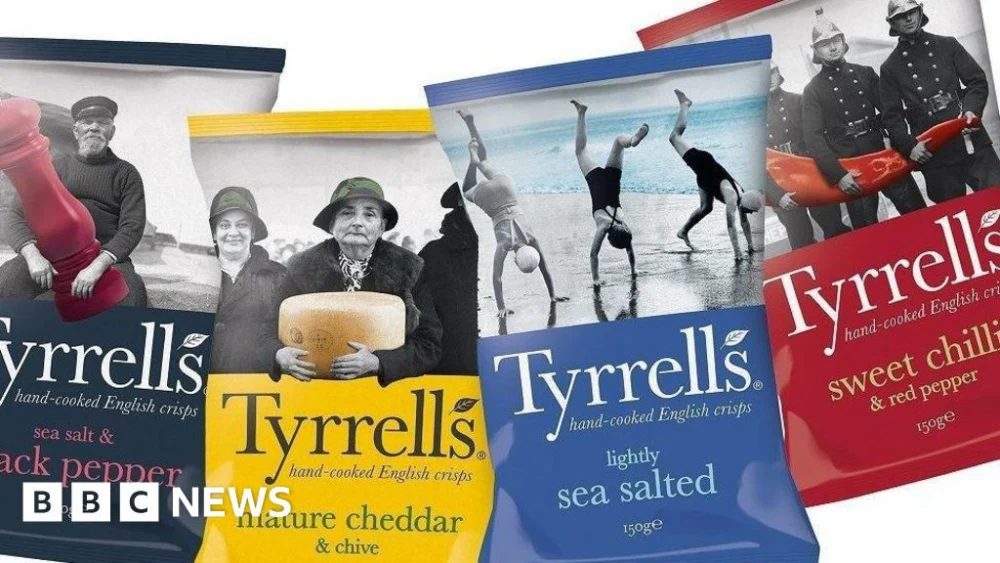
The proposed closure specifically targets the Uttoxeter site, which has been dedicated to the production of Tyrrells’ vegetable crisp range. While the exact number of employees directly affected has not been publicly disclosed, such a move typically impacts dozens of workers, encompassing production staff, management, and support roles. A spokesperson for KP Snacks emphasized the gravity of the situation, stating, "While no final decisions have been made, we appreciate this is an an uncertain time for our colleagues at Uttoxeter and we are supporting them throughout the consultation process." The company further affirmed its commitment to exploring "any ways to reduce or avoid redundancies where possible," indicating potential redeployment opportunities within its broader network or comprehensive support packages for those ultimately affected.
The rationale behind discontinuing the vegetable crisp line is multifaceted, primarily rooted in market dynamics. The "sustained decline in demand" points to a shift in consumer preferences or an inability of Tyrrells vegetable crisps to maintain their competitive edge within the increasingly crowded premium snack market. Initially, vegetable crisps gained popularity as a perceived healthier alternative to traditional potato crisps, appealing to health-conscious consumers seeking natural ingredients and unique flavour profiles. However, as the market matured, more competitors emerged, and the initial novelty may have worn off. Furthermore, evolving dietary trends and a greater scrutiny of nutritional content, even for "healthy" snacks, might have contributed to the downturn. Consumers may have realized that while made from vegetables, these crisps often still contain significant levels of fat and salt, diminishing their perceived health advantage.
Adding to the domestic market challenges, the "loss of key export volumes" has dealt a significant blow to the profitability and viability of the vegetable crisp operation. The UK’s snack industry, like many others, relies on international markets to scale production and achieve economies of scale. Factors such as increased trade barriers, changes in international shipping costs, heightened competition from local producers in overseas markets, or shifts in currency exchange rates could all contribute to the erosion of export opportunities. Post-Brexit trade agreements, for instance, have introduced new complexities and costs for many British exporters, potentially making some international ventures less profitable or even unsustainable. The loss of these crucial overseas revenues would naturally place immense pressure on a product line already struggling domestically.
It is vital to note that this strategic pivot by KP Snacks does not impact Tyrrells’ core product offering: its renowned potato crisps. The company spokesperson explicitly clarified, "Tyrrells potato crisps were not affected and continued to perform strongly." This distinction highlights KP Snacks’ intention to consolidate and focus on the brand’s most successful and profitable segments. Tyrrells potato crisps, known for their hand-cooked quality, distinctive flavours, and premium positioning, continue to resonate with consumers who value artisanal craftsmanship and superior taste in their snack choices. This resilience suggests that while the broader market for premium snacks is competitive, Tyrrells has managed to maintain a strong brand loyalty within its original segment, a testament to its heritage and product quality.
The history of Tyrrells is deeply rooted in British agricultural entrepreneurship. The brand was founded in 2002 by Herefordshire potato farmer William Chase. Chase’s vision was to create a premium crisp using potatoes grown on his own farm. The crisps were initially made in a converted potato shed on his father’s farm in Leominster, Herefordshire, embodying a farm-to-bag philosophy that captivated consumers looking for authenticity and provenance. This humble beginning quickly grew into a thriving business, lauded for its unique flavours and rustic packaging. The brand’s early success demonstrated a significant demand for high-quality, artisan crisps that offered a distinct alternative to mainstream offerings.
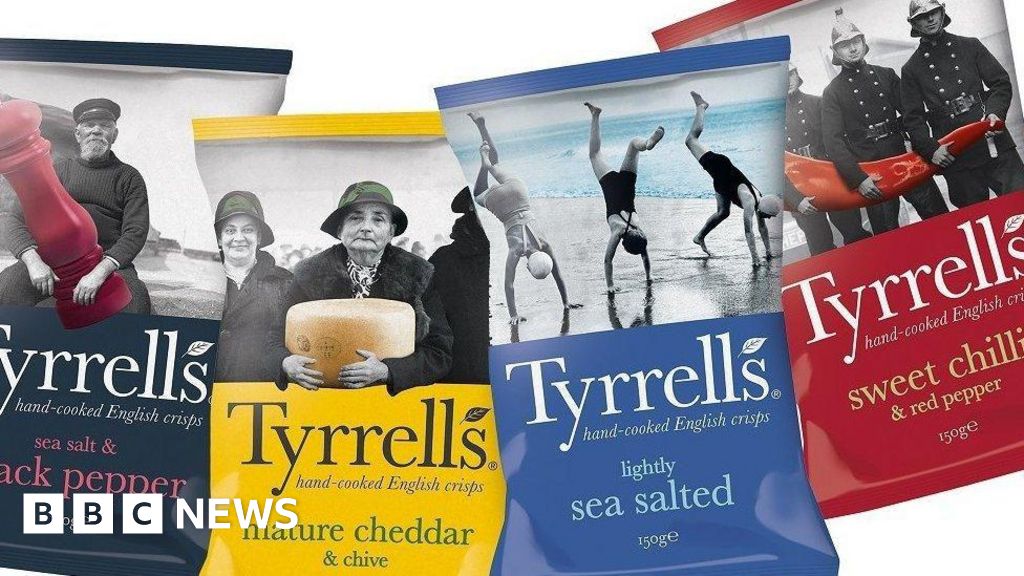
Over the years, Tyrrells underwent several ownership changes before landing with KP Snacks. In 2008, William Chase sold a majority stake in Tyrrells to Langholm Capital. It was later acquired by Hershey-backed Amplify Snack Brands in 2016, which itself was then bought by the German snack group Intersnack in 2017. Finally, KP Snacks, a subsidiary of Intersnack Group, acquired Tyrrells in 2018. Each acquisition aimed to expand the brand’s reach and leverage existing distribution networks, integrating Tyrrells into larger snack portfolios. Under KP Snacks, which also owns popular brands like Hula Hoops, McCoy’s, Skips, and Butterkist, Tyrrells found a home within a powerhouse of British snacking. This lineage underscores the brand’s journey from a niche farm enterprise to a nationally recognized premium snack brand.
The decision to discontinue the vegetable crisp line reflects a broader trend in the food industry where companies constantly evaluate product portfolios for profitability and strategic alignment. KP Snacks, with its extensive array of snack brands, likely conducted a thorough analysis of market share, production costs, and profit margins for each Tyrrells product. Maintaining a product line that is experiencing "sustained decline" and "loss of key export volumes" can be a drain on resources that could be better allocated to more successful brands or new product development. This move signals a focus on efficiency and maximizing returns from their strongest assets, ensuring the long-term health and growth of the overall Tyrrells brand, specifically its potato crisp segment.
The impact on the Uttoxeter community, should the closure proceed, will be significant. Factory closures can lead to job losses, which in turn affect local economies through reduced spending power and potential ripple effects on other local businesses. Local authorities and support agencies will likely step in to assist affected employees with retraining, job placement, and access to benefits. Trade unions, if present at the site, would play a crucial role in negotiating redundancy packages and ensuring fair treatment for their members during the consultation process. The company’s commitment to "explore any ways to reduce or avoid redundancies" is a positive note, but the uncertainty remains a considerable challenge for the workforce.
From a consumer perspective, the discontinuation of Tyrrells vegetable crisps might disappoint a segment of loyal customers who enjoyed the specific flavours and textures offered by the range. Social media platforms could see expressions of nostalgia or frustration from these consumers. However, given the stated "sustained decline in demand," the overall market impact on consumer choice might be less pronounced than if a more popular product were withdrawn. The move also signals a rationalization in a market that has seen an explosion of "healthier" snack options, some of which may not have achieved sustainable market penetration.
Looking ahead, KP Snacks’ strategic decision to streamline the Tyrrells brand around its successful potato crisps indicates a clear direction. It suggests a focus on reinforcing the brand’s core identity and leveraging its established strengths. This could involve further innovation within the potato crisp segment, perhaps introducing new flavours, formats, or limited-edition varieties to keep the brand fresh and engaging. For the broader snack industry, this development highlights the constant need for adaptability and the ruthless efficiency required to thrive in a competitive and rapidly evolving market, where consumer tastes and global trade dynamics can shift quickly and profoundly. The ultimate goal is to ensure that the Tyrrells brand continues to be a premium player in the British snack landscape, albeit with a more focused and robust product offering.


 Ramos Leo
 Nana Banana
 Roy Suryo
 atisusanti
 George Anjay