Nakalama John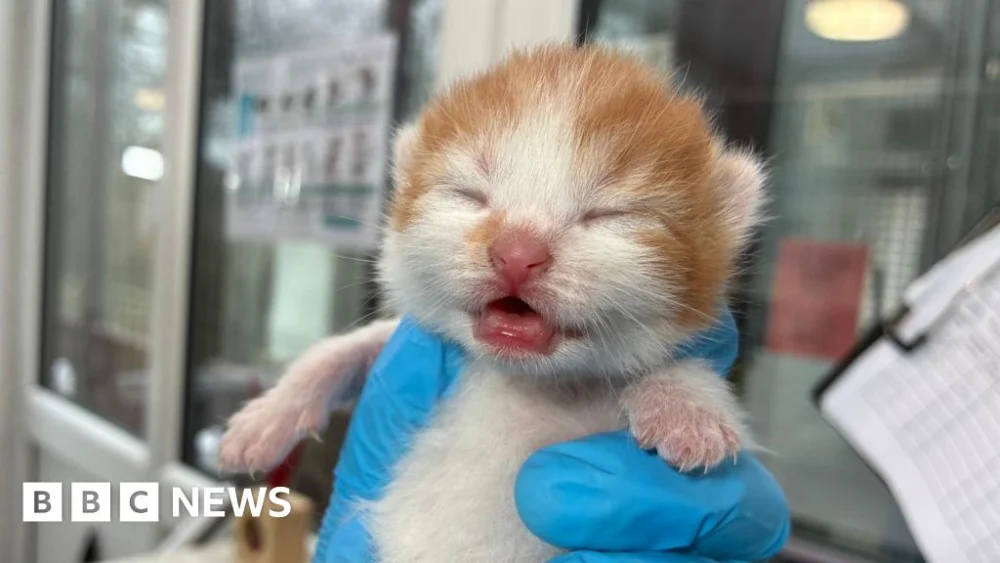
Yorkshire Cat Rescue, a dedicated animal welfare charity, is facing an unprecedented surge in abandoned cat families across the region, a dire situation directly attributed to the escalating cost of living and a persistent lack of neutering among pet owners. The Haworth-based centre reports a troubling year-on-year increase in the number of felines requiring urgent intervention, pushing its resources and capacity to their absolute limits.
Since its establishment in 1992, Yorkshire Cat Rescue has been a lifeline for countless vulnerable cats. However, the scale of their operations has grown dramatically, now rescuing between 700 to 1000 cats annually. The financial burden of this essential work is immense; in 2025 alone, the charity’s vet bills soared to a staggering £282,000, necessitated by the care of 925 rescued cats. This substantial figure covers everything from emergency surgeries and routine check-ups to vaccinations, microchipping, and critical medical treatments for illnesses and injuries, many of which are exacerbated by neglect and abandonment. The rising costs of veterinary care, combined with increased demand, are creating a significant strain on the charity’s fundraising efforts and operational capabilities.
Lynn Nicholls, CEO of Yorkshire Cat Rescue, painted a stark picture of the challenges they face daily. "People often find themselves in situations where their cats breed uncontrollably, and then they’re simply overwhelmed," she explained. "They don’t know what to do with the unexpected litters, they can’t afford to look after them all, and tragically, when people move house, a distressing number choose to leave their pets behind." Nicholls highlighted the complexity of the issue, pointing out that many owners genuinely struggle with the financial implications of responsible pet ownership. "Even for a working family that is doing okay financially, the cost to neuter, chip, and vaccinate a cat can easily exceed £200. That’s not a sum to be taken lightly, especially when other household bills are constantly rising."
The initial outlay for basic preventative care is just the tip of the iceberg. Beyond neutering, microchipping, and vaccinations, owners face ongoing expenses for quality pet food, litter, flea and worming treatments, and potential veterinary emergencies or chronic conditions. Pet insurance, while highly recommended, adds another regular outgoing. For families already stretched thin by soaring utility bills, food prices, and housing costs, these pet-related expenses can become an unbearable burden, leading some to make the heartbreaking decision to abandon their animals.
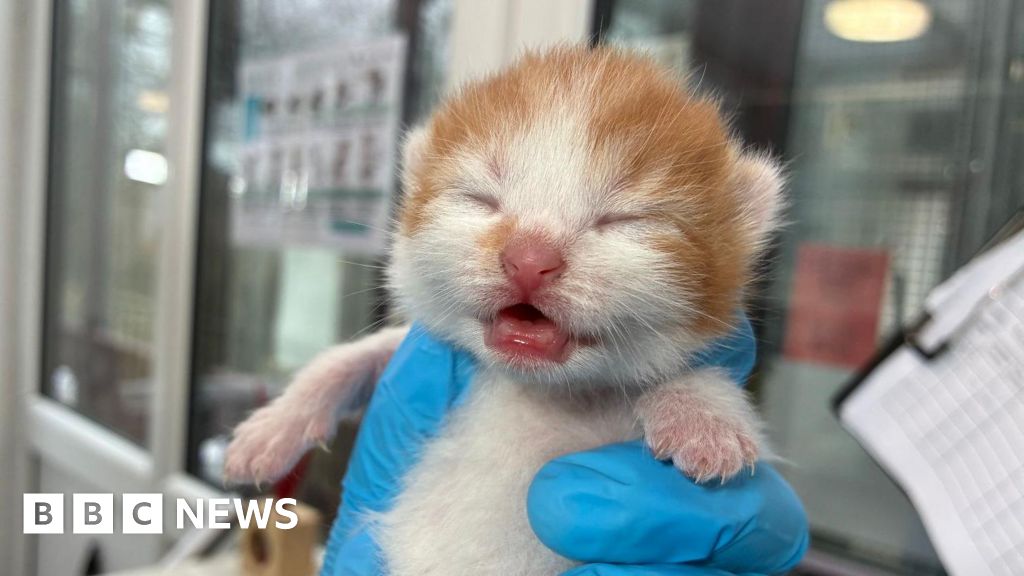
The human impact of this crisis was vividly illustrated earlier this week when Nicholls’ team responded to an urgent call from a landlord in Bradford. Inside an abandoned house, they discovered a harrowing scene: a black, white, and ginger mother cat, later named Opel, desperately crawling in and out of a hole in the front door, foraging for food and trying to protect her litter. The landlord initially only spotted the adult cat but, upon closer inspection, made a more disturbing discovery – a carrier hidden within the property containing five tiny, newborn kittens: one female and four males. The rescue effort didn’t end there; rescuers also found an adult male cat, believed to be the father of the kittens, also left behind. This tragic scenario underscored the desperate measures some owners resort to, leaving entire feline families to fend for themselves in what they likely hoped was a safe, albeit temporary, shelter.
The abandoned family was swiftly brought into the care of Yorkshire Cat Rescue. The mother, Opel, and her five week-old kittens – affectionately named Aston, Rover, Diesel, Bentley, and Kia, following a car-themed naming convention – are now safe and settling into a dedicated foster home. Despite their traumatic start, the kittens were found to have no immediate health concerns, a testament to Opel’s resilience and the prompt intervention of the rescue team. Officials noted with relief that the kittens were gaining approximately 10g in weight each day, a positive sign of their recovery and a promising start to their new lives. Once they are old enough, weaned, and fully socialised, this entire family will undergo comprehensive health checks, receive their vaccinations, microchips, and be neutered (when appropriate), before being carefully matched with loving, permanent adoptive homes.
This specific case is not an isolated incident but rather a symptom of a much larger, systemic problem affecting animal welfare charities across the UK. The cost of living crisis has created a perfect storm, where pet ownership, once an accessible joy for many, is increasingly becoming an unaffordable luxury. People are forced to make impossible choices between feeding their families and feeding their pets.
To combat this escalating crisis, Yorkshire Cat Rescue and similar organisations are urgently advocating for several key solutions. Foremost among these is the critical importance of neutering. Early neutering not only prevents unwanted litters, which directly contribute to the abandonment crisis, but also offers significant health benefits for the cats themselves. Charities often run low-cost neutering schemes or offer financial assistance to eligible owners, and public awareness campaigns are vital to highlight these services. Furthermore, microchipping, while legally mandatory for dogs, is highly recommended for cats and dramatically increases the chances of reuniting lost or abandoned pets with their owners.
The charity also emphasises the importance of responsible pet acquisition. Adopting from reputable rescue centres like Yorkshire Cat Rescue not only gives a second chance to a deserving animal but also ensures that pets are already vaccinated, microchipped, and neutered, relieving new owners of those initial significant costs. Potential owners are encouraged to consider the long-term financial commitment involved in pet care before taking on a new animal.
Beyond these preventative measures, there is a growing need for greater support for struggling pet owners before they reach the point of abandonment. Initiatives such as pet food banks, temporary foster programmes for owners in crisis (e.g., hospitalisation, homelessness), and accessible advice lines can provide a crucial safety net.
Yorkshire Cat Rescue relies heavily on public generosity to continue its vital work. Donations, volunteering, and offering foster homes are essential contributions that enable the charity to provide food, shelter, medical care, and ultimately, new homes for the hundreds of abandoned and neglected cats in its care. The escalating crisis calls for collective action from individuals, communities, and policymakers to ensure that no cat is left behind due to economic hardship or a lack of understanding.



 George Anjay
 Ramos Leo
 Nana Banana