
 Ramos Leo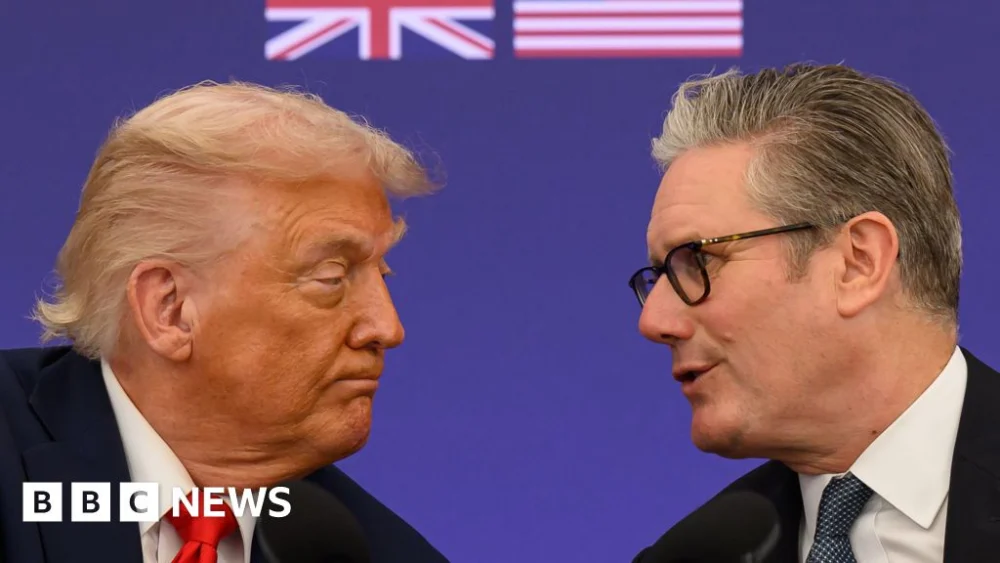
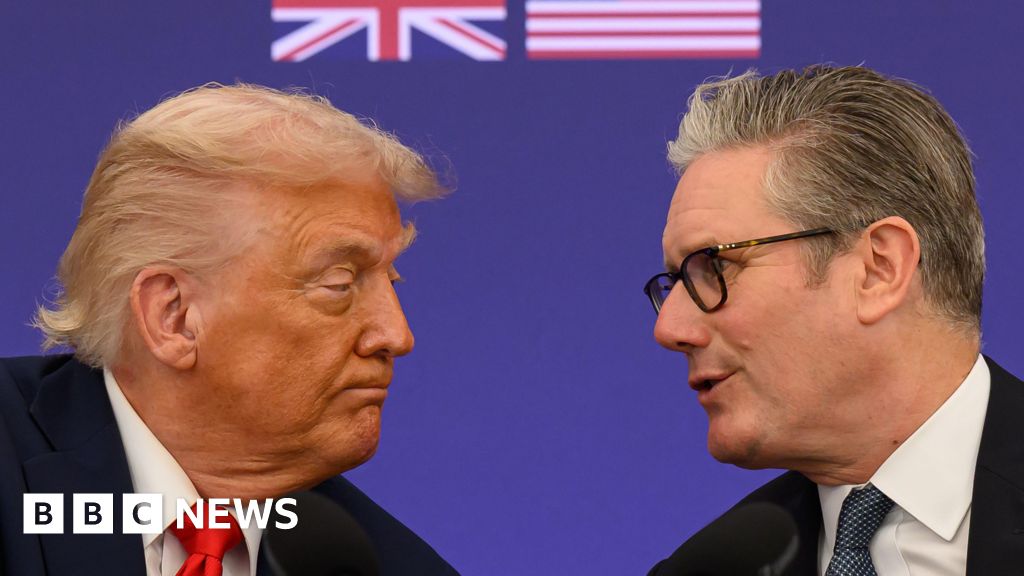
The phone call between US President Donald Trump and Prime Minister Sir Keir Starmer was notably brief, I am told, and its initiation by the White House itself underscored the urgency and the complex diplomatic currents swirling around the recent strikes on Iran. This direct outreach from Washington to Downing Street, bypassing usual channels or prior consultation with key European allies, immediately signaled a potential fissure in the transatlantic alliance regarding the escalating tensions in the Middle East. Downing Street’s subsequent public account of what transpired was, to put it gently, remarkably broad, stating simply: "They discussed the situation in the Middle East." This terse readout served to gloss over a far more complex and inconvenient truth: the United Kingdom, alongside its major European partners, France and Germany, were neither involved in any way in America and Israel’s unilateral military actions against Iran, nor have they offered any explicit endorsement of those strikes.
Sir Keir Starmer, responding to the rapidly evolving situation, reiterated his long-standing condemnation of Iran’s actions, and in particular, its retaliatory strikes this weekend against Israel and several Gulf nations that host crucial US military bases. However, his carefully chosen words maintained a distinct distance from Washington’s assertive stance. He was meticulous in emphasizing that any British warplanes currently airborne in the region were operating strictly in a defensive capacity, fully within the bounds of international law. This meant, crucially, that their mission was to offer protection for allies facing attacks from Iran, rather than participating in any offensive actions or supporting the US and Israeli strikes. This nuanced position highlights the UK’s precarious balancing act: maintaining its critical alliance with the United States while adhering to a more cautious, de-escalatory approach favored by its European counterparts.
The divergence between the US-Israeli axis and the European trio of the UK, France, and Germany represents a significant moment in international relations, potentially reshaping the future of Western foreign policy in the Middle East. While the US and Israel framed their strikes as necessary deterrents against Iranian aggression and a response to escalating regional threats, the European powers have consistently advocated for a diplomatic resolution and a de-escalation of tensions. France and Germany, in particular, have voiced deep concerns about the potential for a wider regional conflict and the complete unraveling of any remnants of the Joint Comprehensive Plan of Action (JCPOA), the Iran nuclear deal. Their skepticism stems from a belief that military action without a clear diplomatic off-ramp risks unpredictable and catastrophic consequences, not least for the stability of global energy markets and the safety of their own citizens and interests in the region. This divergence underscores a deeper philosophical split on how to manage Iran’s regional influence and nuclear ambitions, with Europe generally preferring engagement and multilateralism over unilateral military intervention.
Domestically, the government’s stance has predictably cleaved along traditional political lines, reflecting the broader ideological divides within British politics on foreign policy and alliances. The Conservative Party and Reform UK have been vocal in their criticism of Sir Keir Starmer, accusing him of a perceived fence-sitting approach and a failure to offer adequate, unambiguous support to America. Their arguments often centre on the imperative of solidifying the "special relationship" with the US, maintaining a strong deterrent posture, and providing tangible assistance, such as making British bases readily available to the US air force for operational purposes. They contend that any perceived wavering undermines both UK influence and collective Western security. Conversely, the Liberal Democrats and the Scottish National Party have made their profound skepticism about President Trump’s actions abundantly clear. They raise concerns about the legality and proportionality of the strikes, the heightened risk of regional escalation, and the potential humanitarian consequences of an all-out conflict. Their positions often reflect a more cautious, multilateralist foreign policy outlook, prioritizing international law and diplomatic solutions over military confrontation.
Speaking to individuals within government circles, there is palpable and profound concern regarding the safety and welfare of the many British people currently residing in the Middle East, as well as the considerable number who are travelling or due to travel through the region’s major hub airports. The Foreign Office has proactively established its "Register Your Presence" system for Britons in numerous Middle Eastern countries. This critical initiative allows the government to track the whereabouts of its citizens, disseminate vital security updates, and maintain contact in the event of further escalation or emergencies, underscoring the very real and immediate human cost of the escalating tensions.
Beyond immediate safety, there is a pervasive worry about the profound economic impact of any potential blockages to the Strait of Hormuz. This narrow waterway is not merely a geographic feature but a vital artery of world trade, through which approximately 20% of the world’s petroleum and a significant portion of global liquefied natural gas (LNG) shipments pass daily. Any disruption, whether through direct military confrontation, mining, or heightened security risks, could have catastrophic consequences for global markets. The immediate fears include a sharp surge in crude oil prices, a corresponding spike in petrol and diesel costs for consumers, and increased shipping insurance premiums, which would ripple through global supply chains. For the UK economy, already grappling with persistent inflationary pressures and a delicate post-pandemic recovery, such an event could trigger a renewed cost of living crisis, force the Bank of England to reconsider interest rate policies, and potentially destabilize broader economic growth. The implications for inflation, interest rates, and the everyday cost of fuel for households and businesses are significant and weigh heavily on policymakers.
This current crisis unfolds against an backdrop of an extraordinarily turbulent start to 2026, both on the international stage and domestically. Militarily and diplomatically, the global landscape has been marked by unforeseen flashpoints. Venezuela, for instance, has seen renewed tensions with its neighbour Guyana over disputed resource-rich territories, raising fears of regional destabilization and drawing the attention of international powers with vested interests in the continent’s vast natural resources. Similarly, Greenland has become a renewed focus of geopolitical competition, with major powers eyeing its strategic location in the Arctic and its immense, largely untapped mineral wealth, further complicating the global scramble for resources and influence. These seemingly disparate events collectively paint a picture of a world increasingly fragmented and prone to rapid shifts in power dynamics and regional conflicts, making a cohesive international response to the Middle East crisis even more challenging.
Domestically, the government has also faced its share of intense scrutiny and moments of political vulnerability. The highly anticipated release of the Epstein files brought renewed focus on the connections between powerful elites and unsavoury figures, raising uncomfortable questions about accountability and public trust that cast a shadow over political institutions. Simultaneously, controversies surrounding figures like Lord Mandelson, often involving allegations of influence peddling or ethical lapses, added to the sense of a government under pressure. These domestic challenges, while distinct from international crises, can nonetheless impact a government’s capacity to project strength and unity on the world stage, potentially weakening its diplomatic hand during critical junctures.
In short, after an extraordinarily turbulent start to 2026 – militarily and diplomatically on the international stage, with developments in places like Venezuela and Greenland, and domestically for the government, with the fallout from the Epstein files and controversies involving Lord Mandelson, alongside moments of intense political vulnerability for the prime minister – this current standoff over Iran represents perhaps the biggest moment yet. Its potential consequences are vast, multifaceted, and not entirely knowable, posing a critical test for international diplomacy, transatlantic relations, and the stability of a region already fraught with peril. The world watches, holding its breath, as the UK navigates this complex web of alliances, principles, and escalating threats.




 Roy Suryo

 Nakalama John
 atisusanti
