
 Nakalama John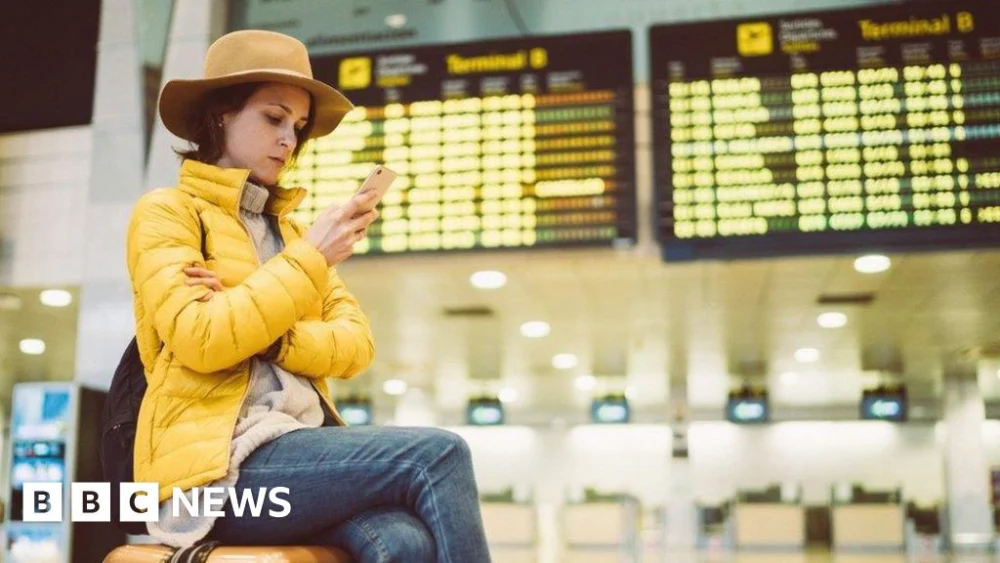
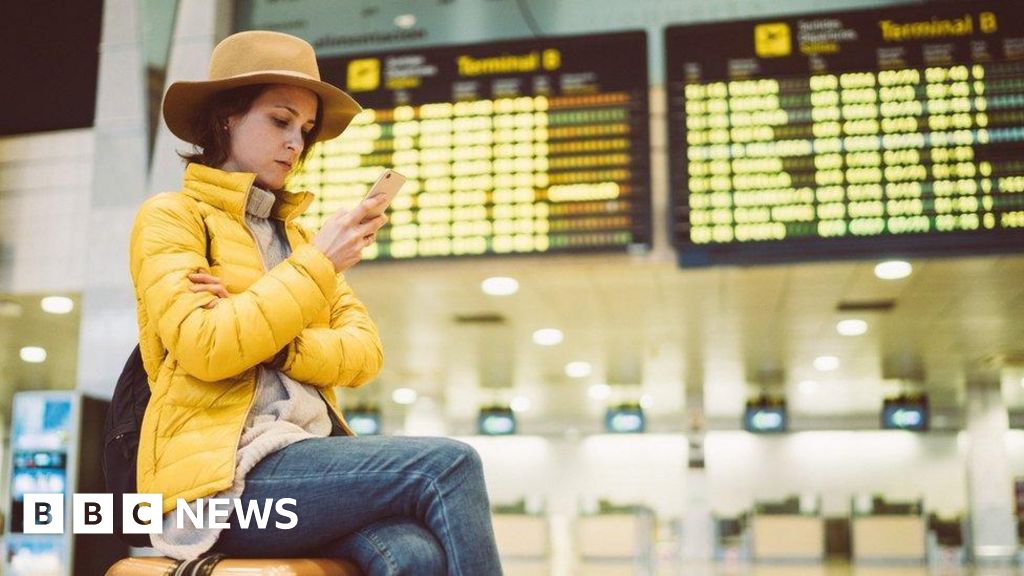
Navigating the complexities of air travel can be challenging, particularly when unforeseen events lead to flight cancellations or significant delays. Recent global events, such as geopolitical conflicts like the widening conflict in the Middle East, have caused widespread disruption to air travel, leading to airspace closures and a ripple effect on major hub airports worldwide. While such situations highlight the vulnerability of travel plans, passengers are not without recourse. Understanding your rights when your flight is cancelled or delayed is crucial for securing refunds, alternative travel, and necessary assistance, primarily under UK and EU regulations.
Understanding Your Core Passenger Rights
When a flight is disrupted, passengers generally have three main categories of rights: the right to care and assistance, the right to re-routing or a refund, and, in some specific circumstances, the right to financial compensation. These rights are primarily governed by UK law (which mirrors EU Regulation EC 261/2004) for flights departing from a UK or EU airport, or for flights arriving at a UK or EU airport on a UK or EU airline. For flights coming into the UK on a non-UK airline from outside the EU, passengers should consult the carrier’s terms and conditions, though some international conventions may offer limited protections.
The Right to Care and Assistance
One of the most immediate entitlements for affected passengers is the right to care. When flights are significantly delayed or cancelled, airlines covered by UK and EU legislation have a duty to provide assistance to passengers while they wait for their alternative flight or refund processing. This assistance is triggered by specific delay thresholds:
- Short-haul flights (up to 1,500km): Delayed by two hours or more.
- Medium-haul flights (1,500km to 3,500km): Delayed by three hours or more.
- Long-haul flights (over 3,500km): Delayed by four hours or more.
Once these thresholds are met, the airline must provide:
- Reasonable meals and refreshments appropriate to the waiting time. This could range from vouchers for airport eateries to actual meals depending on the duration.
- Access to communication, typically two telephone calls, emails, or fax messages.
- Hotel accommodation if an overnight stay becomes necessary due to the delay or cancellation.
- Transport between the airport and the place of accommodation (hotel or other lodging).
It is important to remember that if the airline is unable to arrange these provisions directly, passengers have the right to organise them independently and claim back the costs later. The Civil Aviation Authority (CAA) strongly advises passengers to keep all receipts for expenses incurred and to spend only what is necessary and reasonable. Lavish spending may not be fully reimbursed.
The Right to a Refund or Alternative Flight
If your flight is cancelled, regardless of how far in advance the cancellation was made, UK and EU law grants you a crucial choice:
- A full refund: This includes the cost of the cancelled flight and any unused parts of your ticket. For instance, if you booked a return flight and only the outbound leg is cancelled, you are entitled to a refund for the entire return journey if you no longer wish to travel. The refund should be processed within seven days.
- An alternative flight: The airline must offer you re-routing to your final destination under comparable transport conditions at the earliest opportunity. This could mean putting you on another flight with the same airline, a flight with a different airline, or even alternative modes of transport such as a train, bus, or ferry, if these options get you to your destination significantly sooner. The airline is responsible for covering the cost of this alternative transport.
The decision rests with the passenger. If you still wish to reach your destination, the airline’s obligation is to facilitate that, even if it means booking you with a competitor. However, in situations of widespread disruption, such as those caused by geopolitical events, the immediate availability of alternative flights or transport options may be severely limited, leading to longer waits.
For significant delays, specifically if your flight is delayed by more than five hours and you no longer wish to travel, you also have the right to a full refund for the part of the journey not completed.
Compensation for Disruption: When is it Payable?
It is critical to distinguish between the right to care/re-routing/refund and the right to financial compensation. Compensation, typically a fixed monetary sum, is only payable when the airline is deemed to be at fault for the disruption.
"Extraordinary circumstances" are events beyond the airline’s control that could not have been avoided even if all reasonable measures had been taken. These include:
- Geopolitical instability and conflict: Like the current Middle East conflict, leading to airspace closures or security concerns.
- Adverse weather conditions: Severe storms, heavy snow, volcanic ash.
- Strikes by airport staff or air traffic control (ATC): Strikes that are external to the airline.
- Hidden manufacturing defects affecting a fleet of aircraft.
In such extraordinary circumstances, airlines are generally exempt from paying financial compensation, though they still have a duty to provide care, assistance, re-routing, or a refund.
However, if the cancellation or delay is due to reasons within the airline’s control – such as technical problems (unless unforeseen manufacturing defects), crew shortages, or operational issues – then compensation may be payable. This applies if your flight is cancelled with less than two weeks’ notice before the scheduled departure time, or if your flight arrives at its final destination more than three hours late.
The amount of compensation you are entitled to depends on the distance of your flight and the length of the delay to your arrival:
- For flights of up to 1,500km: €250 (if you arrive two hours late or more).
- For flights between 1,500km and 3,500km: €400 (if you arrive three hours late or more).
- For flights over 3,500km: €600 (if you arrive four hours late or more). For delays between three and four hours on long-haul flights, compensation may be reduced by 50% to €300.
These amounts apply as long as you are flying from a UK or EU airport on any airline, arriving at a UK or EU airport on a UK or EU airline, or arriving at an airport in the EU on a UK airline.
Package Holidays Offer Additional Protection

If you booked your flight as part of a package holiday with a company that is a member of ABTA (Association of British Travel Agents) or ATOL (Air Travel Organiser’s Licence), you benefit from enhanced protection. In the event of a flight cancellation, your tour operator, not just the airline, is responsible for the entire holiday package. This means they must offer you a suitable alternative flight and accommodation to ensure your holiday can proceed, or provide you with a full refund for the entire package, not just the flight component. ATOL protection also provides financial security, ensuring you don’t lose money or get stranded abroad if your holiday provider goes out of business.
Addressing Additional Losses and Travel Insurance
Beyond the flight itself, cancellations and delays can lead to other financial losses, such as pre-paid hotel stays, car rentals, or tour bookings at your destination. Airlines will typically not reimburse you for these "consequential losses." This is where travel insurance becomes vital.
Your travel insurance policy may cover some of these additional expenses, but coverage varies significantly between providers and policies. It is crucial to scrutinise the policy details, particularly clauses relating to "force majeure," "extraordinary circumstances," or "disruption due to civil unrest/war." Some policies may offer specific cover for delays or missed connections. If you paid for your trip using a credit card, you might also have recourse through your credit card provider via a chargeback scheme, especially if a service you paid for was not delivered.
Impact on Work and Employment
Airlines will not refund you for loss of earnings resulting from flight delays or cancellations. Similarly, most standard travel insurance policies do not cover lost wages. If you anticipate being late for work due to travel disruption, you have a responsibility to inform your employer as soon as possible. Legal experts advise that you should discuss with your employer how to manage the absence, which might involve using annual leave, taking unpaid leave, or working remotely if possible. Employers are generally not legally obligated to pay employees who are absent in such situations, unless specific terms are outlined in their employment contract. Obtaining a delay or cancellation confirmation from your airline can be useful for your employer or for insurance claims.
Practical Steps for Disrupted Travel
- Stay Informed: Monitor airline websites, airport information screens, and flight tracking apps.
- Contact the Airline: Speak directly with airline staff at the airport or contact their customer service.
- Keep Records: Document everything – flight numbers, delay times, reasons given by the airline, and all receipts for expenses.
- Know Your Rights: Be polite but firm when asserting your rights to care, re-routing, or a refund.
- Claim Promptly: Submit any claims for refunds, expenses, or compensation as soon as possible. Most airlines have online forms for this.
While disruptions are an unfortunate reality of air travel, being well-informed about your passenger rights can significantly ease the stress and financial burden they impose.




 Ramos Leo
 Nana Banana
 Roy Suryo
 atisusanti
 George Anjay